Who Was Wang Anshi? Song China's Radical Reformer
Who Was Wang Anshi? The Song Reformer Who Shook China
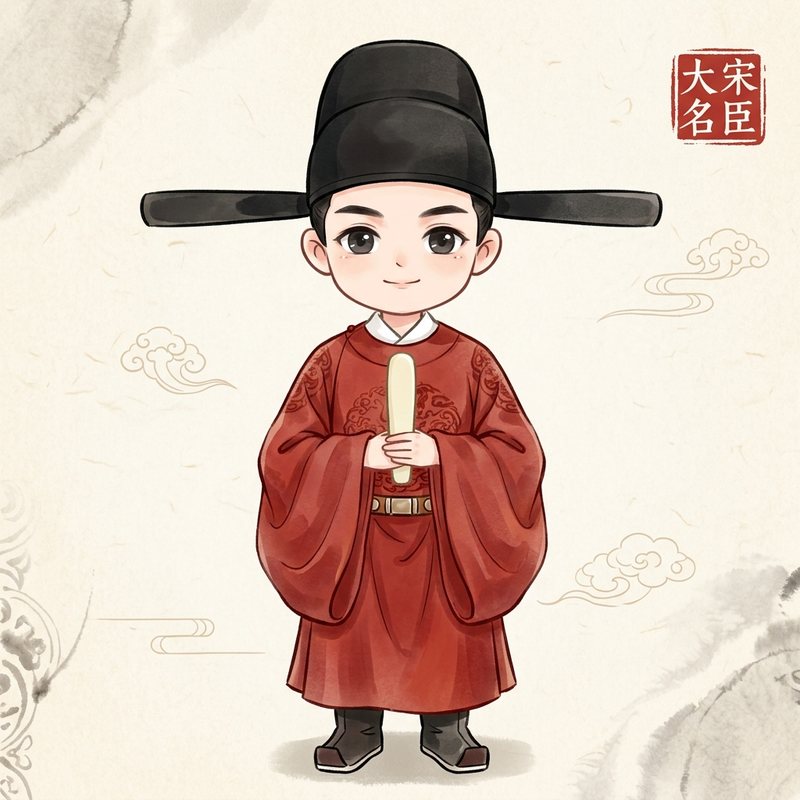
Wang Anshi (王安石 · Wáng Ānshí)
字介甫 · 晚号半山 · 荆国公
The Uncompromising Reformer: Defying ancient laws, cosmic omens, and imperial gossip to save a dying empire.
天变不足畏,祖宗不足法,人言不足恤;以一人之力硬抗整座时代的硬核改革家。
- The Uncompromising Reformer: As Prime Minister of the Northern Song, Wang Anshi launched the Xining Reforms, defying cosmic omens, ancestral law, and imperial gossip with his famous 'Three Defiances'—'Natural portents are not to be feared; ancestral laws need not be obeyed; the criticism of men is not to be heeded.'
- Pioneer of State Capitalism: Centuries before the West, he piloted state microloans (the Green Sprouts Law), hired-labor reform, and market-trade regulation to restructure imperial finance and break the grip of predatory landlords.
- The Rationalist Who Defied Heaven: Rejecting the superstitious use of eclipses and droughts to block policy, he insisted that government be judged by results—a rationalist stance far ahead of his time.
- One of the Eight Great Prose Masters: Despite his political stubbornness, Wang Anshi was a towering literary figure whose essays and poems, including 'Moored at Guazhou', shaped the Song literary renaissance.
- The Lonely Titan: Twice dismissed and heartbroken by the death of his son, he withdrew to Purple Mountain—yet even on his deathbed, hearing his life's work abolished, he never surrendered his conviction.
Phase 1: Scholarly Roots & The Ambition to Govern (1021–1046)
Wang Anshi was born in 1021 CE in Linchuan (modern Fuzhou, Jiangxi Province) into a rigorous scholarly lineage. Traveling with his official father across the empire, he witnessed firsthand the grinding poverty hidden behind Song prosperity. Reading voraciously through the night, he despised idle scholarly talk, resolving instead to reform the empire through ruthless institutional competence. From his early poem 'On Shang Yang', he declared that leading the people rests on integrity—a single solemn pledge outweighing hundred bars of gold.
北宋天禧五年(1021年),王安石出生于江西抚州临川一个严谨的书香世家。随父亲宦游南北的少年岁月,让他早早看清了繁华盛世掩盖下的民生凋敝。他通读经史,却极度厌恶脱离实用的文人清谈,暗自立下宏愿:若有朝一日执掌权柄,必须以雷霆万钧的制度重整山河。他在《商鞅》诗中写道:『自古驱民在信诚,一言为重百金轻』,将施政公信力视为治国之本。
自古驱民在信诚,一言为重百金轻。
Zì gǔ qū mín zài xìn chéng, yī yán wéi zhòng bǎi jīn qīng.
Since ancient times, leading the people rests on integrity; a single solemn pledge outweighs hundred bars of gold.
Context · From Wang Anshi's poem 'On Shang Yang' (商鞅), reflecting his early obsession with governance credibility.
Phase 2: Yinxian & The Green Sprouts Prototype (1047–1057)
Passing the imperial exams at twenty-two, Wang Anshi bypassed lucrative capital positions, demanding instead to be assigned to the rugged eastern county of Yinxian (modern Ningbo, Zhejiang). As a 27-year-old magistrate, he mobilized thousands to dredge Dongqian Lake and built public schools. To protect farmers from loan sharks during the lean spring months, he loaned grain at modest interest—the direct prototype of his historic 'Green Sprouts Law'. Within three years, Yinxian flourished, serving as his testing laboratory for an empire-wide economic revolution.
二十二岁那年,王安石登进士第,名列前茅。然而他放弃了留在京城飞黄腾达的捷径,主动请缨前往东海之滨的偏远鄞县。二十七岁的知县挽起裤腿,与百姓一同在泥浆里丈量堤防,主持修建东钱湖水利,大办县学。面对豪强兼并与高利盘剥,他做出大胆实验:由官府在青黄不接时向农民低息放贷,秋收归还。三年治理,鄞县大稔,百姓安居。这个偏僻的江南海邑,成为他日后撬动庞大帝国的秘密试验田。
不畏浮云遮望眼,自缘身在最高层。
Bù wèi fú yún zhē wàng yǎn, zì yuán shēn zài zuì gāo céng.
I fear not that floating clouds will veil my sight, simply because I stand upon the mountain's highest peak.
Context · Written during Wang Anshi's tenure in Yinxian, expressing supreme confidence and far-reaching vision.
Phase 3: The Ten-Thousand-Word Memorial (1058–1068)
Repeatedly declining promotions to the decadent capital, Wang Anshi bided his time. Finally in 1058, appointed to the Finance Commission, he dropped a monumental bomb on Emperor Renzong: a ten-thousand-word manifesto demanding structural revolution. Diagnosing the empire's systemic paralysis—bloated military, empty treasury, and corrupt bureaucracy—he demanded wholesale reform of taxation and the promotion of talent by merit. Though praised, the aging Emperor shelved it. Mourning his mother, Wang Anshi spent five quiet years teaching in Jiangning, waiting for an iron-willed monarch who dared to overturn the heavens.
鄞县政绩卓越,朝廷屡次下诏召他入京,他却数次坚辞不就。直到公元1058年,任三司度支判官的他向仁宗呈上著名的《上仁宗皇帝言事书》。他挥毫写下数万言,毫无保留地撕开帝国『虚骄富贵』的面具,直指『百年积贫积弱』的死穴,提出改革财政税收、破除门第任用贤能的激进蓝图。仁宗感叹其才,却在保守士大夫的拖延中将其束之高阁。公元1063年,母亲病逝,王安石借机辞官归里,在江宁讲学授徒整整五年,默默等待真正能并肩作战的君主。
因天下之力以生天下之财,取天下之财以供天下之费。
Yīn tiān xià zhī lì yǐ shēng tiān xià zhī cái, qǔ tiān xià zhī cái yǐ gōng tiān xià zhī fèi.
Use the collective labor of the world to generate wealth for the world, and allocate that wealth to sustain the public good.
Context · The core socioeconomic doctrine of Wang Anshi's economic reforms, from his 'Ten-Thousand-Word Memorial'.
Phase 4: The Xining Reforms & The Three Defiances (1069–1074)
In 1067, a radical 19-year-old monarch ascended the throne: Emperor Shenzong, who immediately dispatched a secret summons for Wang Anshi. Appointed Prime Minister, Wang Anshi established an elite reform council and launched the Green Sprouts, Hired Labor, Market Trade, and Equal Transport laws, seizing state control of finance. When aristocrats and ministers wept, blaming eclipses and droughts on his policies, 49-year-old Wang Anshi stood tall and uttered a roar that echoed through Chinese history: 'Natural portents are not to be feared! Ancestral laws are not sacred! The criticism of mortals is beneath our concern!' He filled the state coffers, but his uncompromising iron fist severed every friendship he had ever cherished.
公元1067年,年轻气盛的神宗皇帝登基,一道密诏急召王安石入京。神宗拜王安石为参知政事、同中书门下平章事,设立『制置三司条例司』。他推行青苗法、免役法、市易法、均输法,以国家信用重构帝国财政。崇政殿上,满朝重臣跪地进谏,将彗星与干旱归咎于变法。面对滔天弹劾,四十九岁的王安石挺直脊梁,掷地有声地喊出震碎千年的豪言:『天变不足畏,祖宗不足法,人言不足恤!』青苗法打破地主垄断,免役法解放劳力,均输法收缴商贾暴利。国库日渐充盈,但他身边的至交好友却纷纷反目成仇。
天变不足畏,祖宗不足法,人言不足恤。
Tiān biàn bù zú wèi, zǔ zōng bù zú fǎ, rén yán bù zú xù.
Natural portents are not to be feared; ancestral laws need not be obeyed; the criticism of men is not to be heeded.
Context · Wang Anshi's defiant battle cry against the entire conservative political establishment during the Xining Reforms.
Phase 5: Guazhou & The Second Premiership (1075–1076)
In 1074, a devastating drought struck, and enemies presented the Emperor with horrific drawings of starving refugees, blaming his reforms. Shenzong wavered, and Wang Anshi was abruptly dismissed. But within a year, conservative incompetence panicked the Emperor into recalling him. Moored at Guazhou Ferry on the Yangtze, gazing south toward his beloved Jiangnan, he penned 'Moored at Guazhou', crafting the legendary line 'The spring breeze has turned the southern shore green once more'. Beneath the lyricism lay a deeply exhausted soul. Yet this second premiership would bring him not glory, but unbearable personal tragedy.
公元1074年,天下大旱,难民流徙。一幅描绘流民惨状的《流民图》被密送御前,太后与群臣痛哭施压,年轻的神宗动摇了。王安石第一次被罢相,落寞南下金陵。次年,神宗在保守派的无能中惊慌失措,再度急召他还朝。夜泊瓜洲渡口,遥望江南故乡,他反复推敲诗稿,将『到』、『过』、『满』最终定格为一个惊艳千年的『绿』字:『春风又绿江南岸,明月何时照我还?』这句诗里没有了朝堂上斩钉截铁的杀气,只剩下一个五十五岁疲惫英雄对归宿的深情叹息。
春风又绿江南岸,明月何时照我还?
Chūn fēng yòu lǜ jiāng nán àn, míng yuè hé shí zhào wǒ hái?
The spring breeze has turned the southern shore green once more; when will the clear moon shine on my journey home?
Context · The iconic masterpiece 'Moored at Guazhou' (泊船瓜洲), capturing Wang Anshi's exhaustion and longing for retreat.
Returning to Kaifeng, Wang Anshi found betrayal festering within his own faction. Ambitious protégés he had mentored, like Lv Huiqing, were stabbing him in the back. Then the mortal strike fell: his brilliant son and right-hand man, Wang Pang, died suddenly—white hair mourning black hair. Conceding that human greed could never be legislated away, he submitted seven resignation petitions, turned his back on imperial politics forever, and rode quietly out of Kaifeng on an old donkey in a plain coarse robe.
再次回到开封的王安石,发现眼前的世界已面目全非。新法派内部争权夺利,昔日一手提拔的门生吕惠卿竟在背后递刀中伤。更让他痛彻心扉的,是他倾注毕生心血的长子王雱撒手人寰。白发人送黑发人,政治的肮脏与家庭的惨剧击穿了他最后的心理防线。他明白,制度可以靠铁腕推行,但人性的贪婪与宿命的无常,终究无法被律令战胜。他连上七道辞呈,坚决辞去相位。辞去相位的那一天,他没有要朝廷的任何赏赐,身着粗布灰袍,骑着瘦小的毛驴,彻底走出了这座埋葬了他青春与梦想的巍峨汴京。
伤心老泪无挥处,目断山林万叠重。
Shāng xīn lǎo lèi wú huī chù, mù duàn shān lín wàn dié chóng.
My brokenhearted old tears have nowhere to fall; my gaze is severed by endless folds of misty mountains.
Context · Mourning his beloved son Wang Pang, signaling Wang Anshi's complete withdrawal from worldly ambitions.
Phase 6: Banshan Hermitage & Reconciliation (1079–1084)
The pines of Purple Mountain swept away decades of political grime. In Nanjing, elderly Wang Anshi donated his estate to charity, retaining only a rustic hut named Banshan (Half-Mountain). Locals grew accustomed to the sight of an eccentric old man riding an old donkey backward down forest trails. When his fierce rival Su Shi faced execution in the Crow Terrace Poetry Case, Wang Anshi sent an urgent plea to the Emperor—'How can a flourishing dynasty execute its greatest genius?'—saving his life. When Su Shi visited in 1084, the two titans drank together under the pines, laughing away half a lifetime of political warfare.
金陵钟山的松风,洗尽了半生朝堂尘垢。晚年的王安石散尽家财捐出宅院,只留数间茅舍名曰『半山园』,自号半山。人们常常看到一个身披粗布衲衣、倒骑瘦驴的老者,在山涧野径上独行。乌台诗案爆发,他毅然上疏『安有圣世而杀才士乎』,救下了毕生政敌苏东坡。公元1084年,苏轼扁舟至金陵,两位旷世奇才在半山园把酒言欢,相濡以沫。曾经的刀光剑影,在浩瀚的历史面前,化作了相逢一笑的千古温存。
从公一语唯成笑,岂信双峰自有人。
Cóng gōng yī yǔ wéi chéng xiào, qǐ xìn shuāng fēng zì yǒu rén.
A single phrase with you dissolves in laughter; who would believe that these twin peaks each harbored a giant of their own?
Context · Commemorating Wang Anshi's legendary reconciliation with Su Shi at Banshan Hermitage.
Phase 7: The Twilight of Purple Mountain (1085–1086)
Yet peace was brief. In 1085, Emperor Shenzong died at age 36. Empress Dowager Gao took control, recalling conservative arch-rival Sima Guang to completely dismantle the reforms. Bedridden with terminal illness, Wang Anshi received devastating news: the conservative government had indiscriminately abolished every reform law he spent his life building. The titan who once stood against the world did not rage; he merely whispered: 'Have they really gone this far?' On May 21, 1086, Wang Anshi closed his eyes forever at age 66. His reforms could not save the doomed dynasty, but his immortal defiance remains etched forever into Chinese civilization.
然而,命运留给这个老人的宁静是短暂的。公元1085年,神宗皇帝英年早逝,哲宗即位,太后垂帘听政。司马光等旧党全面翻盘,将王安石毕生推行的新法不分青红皂白尽数废除,乃至极度合理的免役法也一并扫荡。重病缠身的王安石躺在竹榻上,没有愤怒咆哮,只是喃喃叹道:『亦罢至此乎!』公元1086年5月21日,六十六岁的王安石在钟山郁然病逝,后追赠太傅,谥号『文』。他的变法或许未能挽救大宋的倾覆,但他那份『天变不足畏、祖宗不足法』的超越性气魄,已在历史的苍穹上化作永不磨灭的惊雷。
愿为五陵轻薄儿,生在贞观开元时。
Yuàn wéi wǔ líng qīng bó ér, shēng zài zhēn guān kāi yuán shí.
Would that I were a carefree youth of the Five Tombs, born into the golden eras of Zhenguan and Kaiyuan.
Context · A poignant reflection on the tragedy of being born into a declining, fractured dynasty, from Wang Anshi's final years.
| Perspective 视角 | Wang Anshi (The Uncompromising Reformer) | Otto von Bismarck (The Iron Chancellor) |
|---|---|---|
| Core Mission | Launched the Xining Reforms to rescue a declining Northern Song—state microloans, hired-labor reform, and market regulation to restructure imperial finance. | United a fragmented Germany through statecraft and 'blood and iron', using top-down reform to forge a modern industrial nation. |
| Relationship with the Old Guard | Defied the entire conservative establishment with his 'Three Defiances', declaring 'Natural portents are not to be feared; ancestral laws need not be obeyed'. | Fought the entrenched Prussian aristocracy and liberal opposition alike, steering policy through the crown rather than parliament. |
| State-Led Economic Vision | Pioneered state capitalism—government credit, price regulation, and public works—centuries before modern economic theory. | Built state railways, social insurance, and protective tariffs to consolidate a unified national economy. |
| Enduring Legacy | One of the Eight Great Prose Masters of the Tang and Song; his reforms and defiant spirit still shape debates on state power and reform in China. | The architect of German unification and the modern welfare state, whose legacy still shapes German and European politics. |
Trace Wang Anshi's Footsteps on the Interactive Topographic Map
Follow his actual historical trail across 8 imperial stations—from scholarly roots in Linchuan and the Green Sprouts prototype in Yinxian to the Ten-Thousand-Word Memorial, the Xining Reforms at the Kaifeng Court, the moonlit ferry at Guazhou, and the twilight of Purple Mountain.
Launch Interactive Journey MapFrequently Asked Questions (FAQ)
Who was Wang Anshi?
Wang Anshi (1021–1086) was the most controversial Prime Minister in Chinese history, a statesman, philosopher, and poet of the Northern Song Dynasty, and one of the Eight Great Prose Masters of the Tang and Song. As the architect of the Xining Reforms, he pioneered state capitalism, state microloans, and sweeping tax reform to rescue a declining empire. He is best remembered for his defiant 'Three Defiances'—'Natural portents are not to be feared; ancestral laws need not be obeyed; the criticism of men is not to be heeded.'
What were the Xining Reforms?
The Xining Reforms were a sweeping set of state-led economic and administrative policies launched by Wang Anshi under Emperor Shenzong from 1069. They included the Green Sprouts Law (state microloans to farmers), the Hired Labor Law (replacing forced corvée with paid labor), the Market Trade Law (state price regulation), and the Equal Transport Law (rationalizing tax grain transport). The reforms aimed to fill the empty treasury, break the grip of predatory landlords, and strengthen the state—but they provoked fierce opposition from conservative elites.
What does 'Three Defiances' (三不足) mean?
The 'Three Defiances' are Wang Anshi's most famous declaration: 'Natural portents are not to be feared; ancestral laws need not be obeyed; the criticism of men is not to be heeded.' It was his defiant response to conservative ministers who blamed eclipses and droughts on his reforms. By rejecting cosmic omens, ancestral precedent, and public criticism as grounds to block policy, he insisted that government be judged by results—a strikingly rationalist stance for the 11th century.
What is the Green Sprouts Law (青苗法)?
The Green Sprouts Law was Wang Anshi's flagship reform, first piloted when he was magistrate of Yinxian. During the lean spring months, when farmers were most vulnerable to predatory loan sharks, the government lent grain or cash at low interest, to be repaid with modest interest after the autumn harvest. The goal was to protect poor farmers from usury while generating revenue for the state. It was a direct prototype of modern state microloans and agricultural credit.
What is Wang Anshi's relationship with Su Shi?
Wang Anshi and Su Shi were fierce political rivals—Su Shi opposed the Xining Reforms and was exiled for his criticism. Yet in 1079, when Su Shi faced execution in the Crow Terrace Poetry Case, the retired Wang Anshi sent an urgent petition to the Emperor—'How can a flourishing dynasty execute its greatest genius?'—helping save his life. In 1084, Su Shi visited Wang Anshi at Banshan Hermitage in Nanjing, and the two titans drank and laughed together, burying decades of political warfare in a legendary reconciliation.
Why is Wang Anshi called a pioneer of state capitalism?
Wang Anshi is called a pioneer of state capitalism because his reforms used the state as an active economic actor—providing credit, regulating prices, and managing trade—centuries before similar ideas emerged in the West. His Green Sprouts Law was an early form of state agricultural credit, and his Market Trade Law was an early form of state price stabilization. His doctrine that the state should 'use the collective labor of the world to generate wealth for the world' anticipated modern debates about the role of government in the economy.
Walk with Wang Anshi Across China
随王安石漫步华夏河山 · 亲历命运逆境与精神涅槃