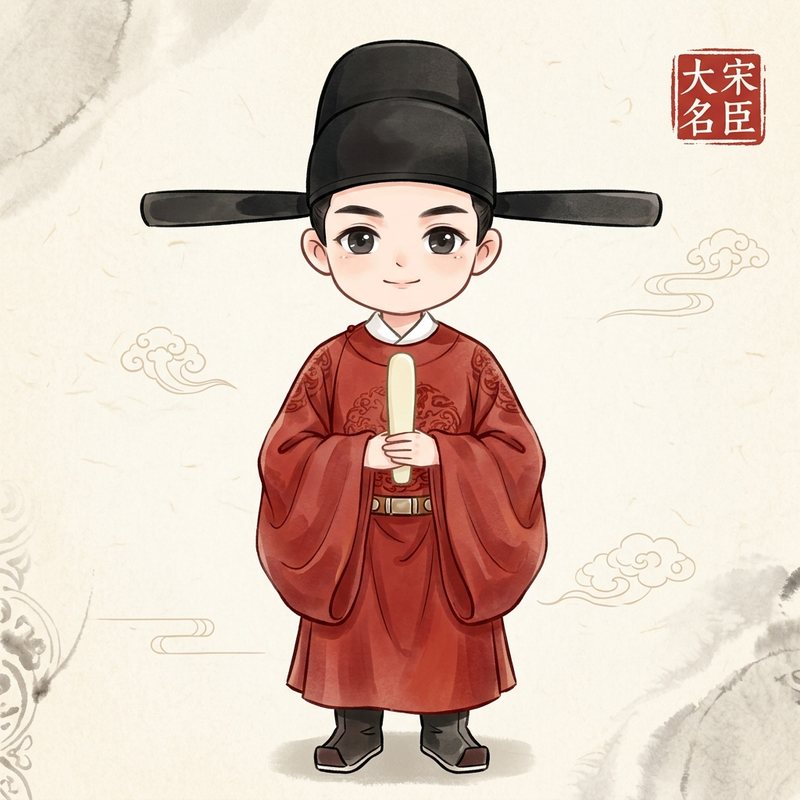
Wang Anshi
Northern Song Dynasty(1021–1086)Age 1 · Linchuan“Defying cosmic omens, ancestral laws, and imperial gossip to restructure a dying empire.”
The Complete Life Journey & Biography of Wang Anshi (Reformer) (王安石)
Chronological travel & exile routes mapped to modern Chinese cities across Northern Song Dynasty China — featuring bilingual scholar audio, classical poetry recitations, and historical cross-paths.
Yinxian (明州鄞县)
Age 271047 CEModern-day analog: Modern Ningbo, Zhejiang
A 27-year-old magistrate piloting state loans and public works in rural Ningbo.
The waters of Dongqian Lake lapped against earthen dams as 27-year-old magistrate Wang Anshi stood knee-deep in mud surveying waterworks. Confronting predatory landlords, he piloted bold state microloans for poor farmers during the lean spring months. Within three years, Yinxian flourished, serving as his testing laboratory for an empire-wide economic revolution.
“I fear not that floating clouds will veil my sight, simply because I stand upon the mountain's highest peak.”
不畏浮云遮望眼,自缘身在最高层。(Bù wèi fú yún zhē wàng yǎn, zì yuán shēn zài zuì gāo céng.)Kaifeng (东京开封)
Age 381058 CEModern-day analog: Imperial Capital Kaifeng, Henan
A blistering ten-thousand-word manifesto ripping away the illusion of Song prosperity.
While Kaifeng partied through the night, Wang Anshi stared coldly at the empire's hemorrhaging treasury ledgers. He penned a fiery ten-thousand-word exposé, warning that without radical structural surgery, the Song dynasty was doomed. The aging Emperor admired his intellect but backed down before conservative opposition. Wang Anshi withdrew, waiting for an iron-willed monarch who dared to overturn the heavens.
“Use the collective labor of the world to generate wealth for the world, and allocate that wealth to sustain the public good.”
因天下之力以生天下之财,取天下之财以供天下之费。(Yīn tiān xià zhī lì yǐ shēng tiān xià zhī cái, qǔ tiān xià zhī cái yǐ gōng tiān xià zhī fèi.)Kaifeng Court (开封中枢)
Age 491069 CEModern-day analog: Imperial Palace Kaifeng
The lonely titan declaring 'Heaven is not to be feared; ancestors' laws are not eternal.'
In the imperial palace, the atmosphere turned to ice. Aristocrats and ministers wept, blaming eclipses and droughts on his policies. Confronting ferocious impeachment, 49-year-old Wang Anshi stood tall, uttering a roar that echoed through Chinese history: 'Natural portents are not to be feared! Ancestral laws are not sacred! The criticism of mortals is beneath our concern!' He filled the state coffers, but his uncompromising iron fist severed every friendship he had ever cherished.
“Natural portents are not to be feared; ancestral laws need not be obeyed; the criticism of men is not to be heeded.”
天变不足畏,祖宗不足法,人言不足恤。(Tiān biàn bù zú wèi, zǔ zōng bù zú fǎ, rén yán bù zú xù.)In-Depth Inquiries at this Stop:Guazhou Ferry (瓜洲渡口)
Age 551075 CEModern-day analog: Modern Yangzhou, Jiangsu
Standing at the Yangtze crossing, whispering the timeless line of longing and fatigue.
Cold waves churned against the dock at Guazhou Ferry. Wang Anshi, abruptly summoned back to the capital after a single year in exile, stood watching the mist. North lay the bloody political vortex; south lay his beloved tranquil mountains of Jiangnan. Carefully refining his draft, he immortalized the word 'green' into a verb: 'The spring breeze turns the southern bank green once more; when will the bright moon light my journey home?' Beneath the lyricism lay a deeply exhausted soul.
“The spring breeze has turned the southern shore green once more; when will the clear moon shine on my journey home?”
春风又绿江南岸,明月何时照我还?(Chūn fēng yòu lǜ jiāng nán àn, míng yuè hé shí zhào wǒ hái?)Kaifeng Fall (开封梦碎)
Age 561076 CEModern-day analog: Imperial Capital Kaifeng
The death of his brilliant son and the fracturing of his reform council broke his heart.
Returning to Kaifeng, Wang Anshi found betrayal festering within his own faction. Ambitious protégés he had mentored were stabbing him in the back. Then the mortal strike fell: his brilliant son and right-hand man, Wang Pang, died suddenly. White hair mourning black hair. The ugly realities of power and familial agony finally shattered the iron reformer. Conceding that human greed could never be legislated away, he resigned for the last time.
“My brokenhearted old tears have nowhere to fall; my gaze is severed by endless folds of misty mountains.”
伤心老泪无挥处,目断山林万叠重。(Shāng xīn lǎo lèi wú huī chù, mù duàn shān lín wàn dié chóng.)Banshan Hermitage (金陵半山园)
Age 591079 CEModern-day analog: Purple Mountain, Nanjing
Riding an old donkey through Nanjing, forgiving his fiercest rival Su Shi.
The pines of Purple Mountain swept away decades of political grime. In Nanjing, elderly Wang Anshi donated his estate to charity, retaining only a rustic hut named Banshan. Locals grew accustomed to the sight of an eccentric old man riding an old donkey backward down forest trails. When his fierce rival Su Shi faced execution, Wang Anshi sent an urgent plea saving his life. When Su Shi visited in 1084, the two titans drank together under the pines, laughing away half a lifetime of political warfare.
“A single phrase with you dissolves in laughter; who would believe that these twin peaks each harbored a giant of their own?”
从公一语唯成笑,岂信双峰自有人。(Cóng gōng yī yǔ wéi chéng xiào, qǐ xìn shuāng fēng zì yǒu rén.)Purple Mountain (钟山瞑目)
Age 661086 CEModern-day analog: Modern Nanjing, Jiangsu
Lying on his deathbed hearing his life's work undone, finding peace in eternity.
Autumn leaves fell softly on Purple Mountain. Bedridden with terminal illness, Wang Anshi received devastating news: the conservative government had indiscriminately abolished every reform law he spent his life building. The titan who once stood against the world did not rage; he merely whispered: 'Have they really gone this far?' On May 21, 1086, Wang Anshi closed his eyes forever. His reforms could not save the doomed dynasty, but his immortal defiance remains etched forever into Chinese civilization.
“Would that I were a carefree youth of the Five Tombs, born into the golden eras of Zhenguan and Kaiyuan.”
愿为五陵轻薄儿,生在贞观开元时。(Yuàn wéi wǔ líng qīng bó ér, shēng zài zhēn guān kāi yuán shí.)
Literati Knowledge Vault · 先贤知识宝库
In-Depth Essays & Philosophical Inquiries on Wang Anshi
Deep dives, myth-busting, and modern psychological lessons from Wang Anshi's life and philosophy.
Historical Nexus & Intersecting Journeys
与 王安石 (Wang Anshi) 时空交汇、思想交锋或命运相连的华夏先贤网络
Historical Nexus & Intersecting Journeys
与 王安石 时空交汇、思想交锋或命运相连的华夏先贤网络

Su Shi (Dongpo)
苏轼 (东坡)
Fierce ideological debate in court yielded to poetic admiration at Jinling: 'Not for centuries will another like him appear!'
朝堂之上变法论战,金陵相会一笑忘机。王安石叹苏轼:'不知更几百年,方有如此人物!'
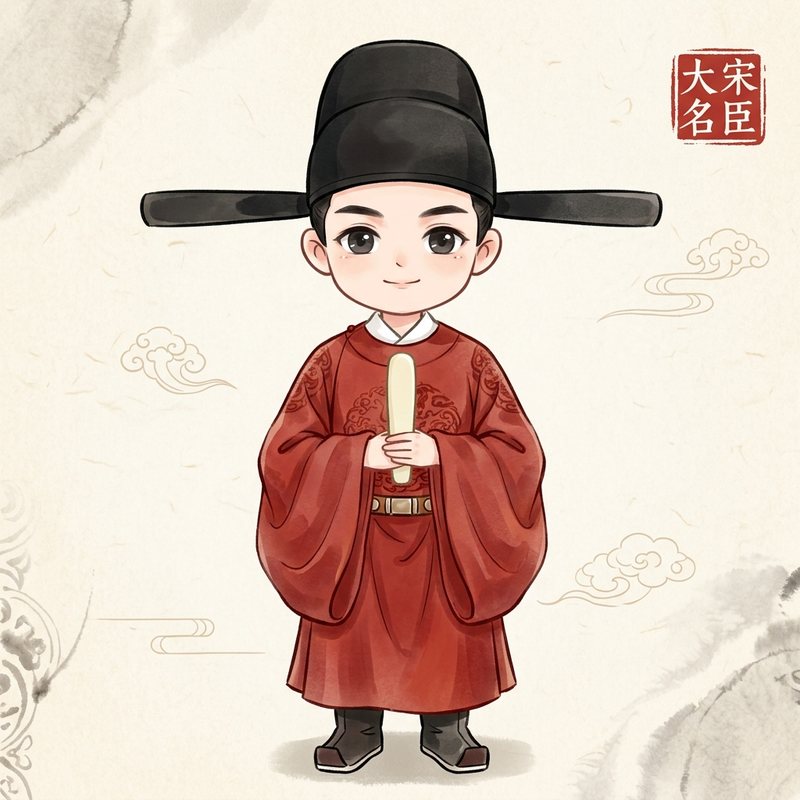
Sima Guang
司马光
Conducted the most celebrated intellectual debate of the Song dynasty over statecraft, with unyielding moral integrity.
同为仁宗朝俊杰,在变法与守成间激烈书信论辩,互敬品格而政见南辕北辙。
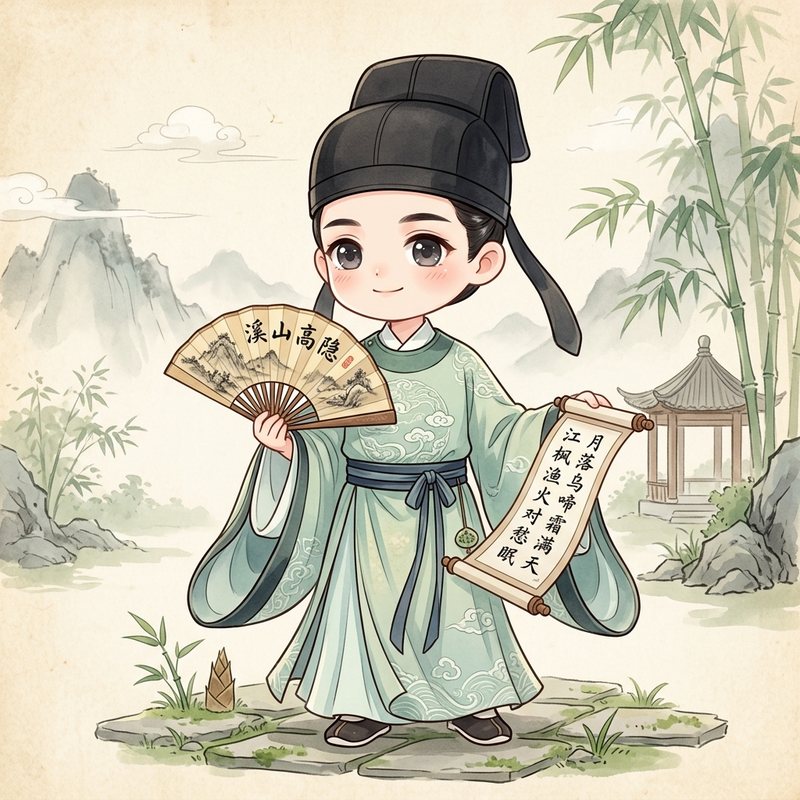
Su Zhe
苏辙
The younger Su brother provided trenchant economic critique against rapid credit expansion in the New Policies.
苏辙制策深切陈述民间疾苦,对青苗法提出系统性切中利弊的批评。
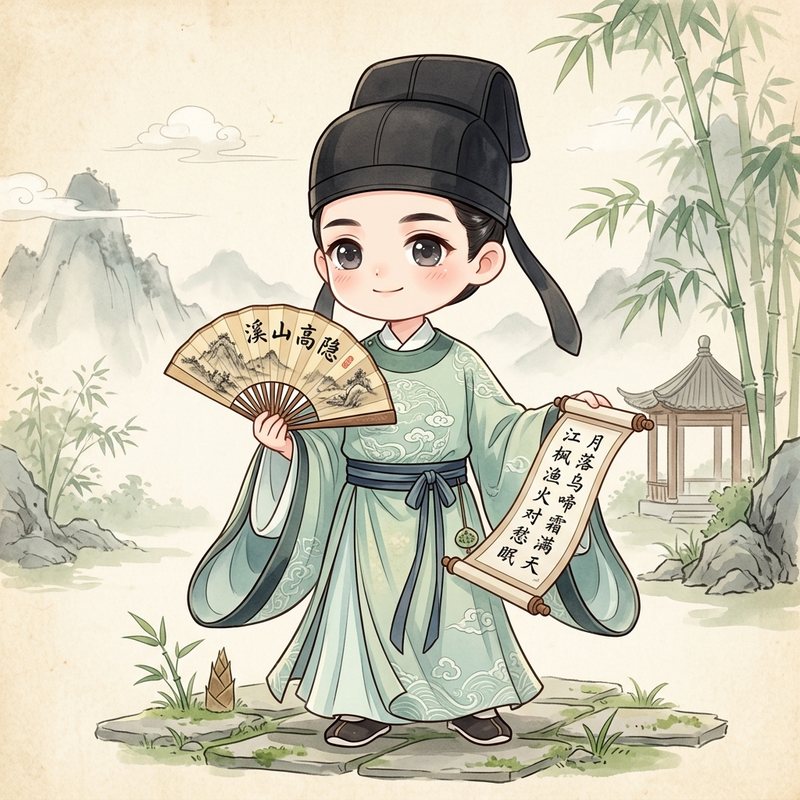
Ouyang Xiu
欧阳修
Recommended young Wang Anshi repeatedly to the court, hailing his formidable prose and philosophical depth.
欧阳修早年屡次向仁宗朝廷力荐王安石才略,引为古文革新中坚。

Shen Kuo
沈括
Served Wang Anshi's reforms through brilliant astronomical, hydraulic, and fiscal reorganization.
积极投身王安石变法,勘察两浙水利,整顿司天监,以科学实证支持经制革新。
Key Historical Inquiries & Context
关于 王安石 (Wang Anshi) 的核心史实考证、公案辨析与中英直答
Who was Wang Anshi?
Wang Anshi (1021–1086) was a major Northern Song Prime Minister, economist, and poet who instituted the Xining Reforms to modernize imperial finance and military strength.
What were the Xining Reforms?
A suite of economic and administrative policies including the Green Sprouts Law (government farm microloans), Equal Tax Law, and militia defense systems, aimed at curbing wealthy monopolists.