Who Was Xin Qiji? The Warrior Poet of Southern Song
Who Was Xin Qiji? The Warrior Poet of Southern Song
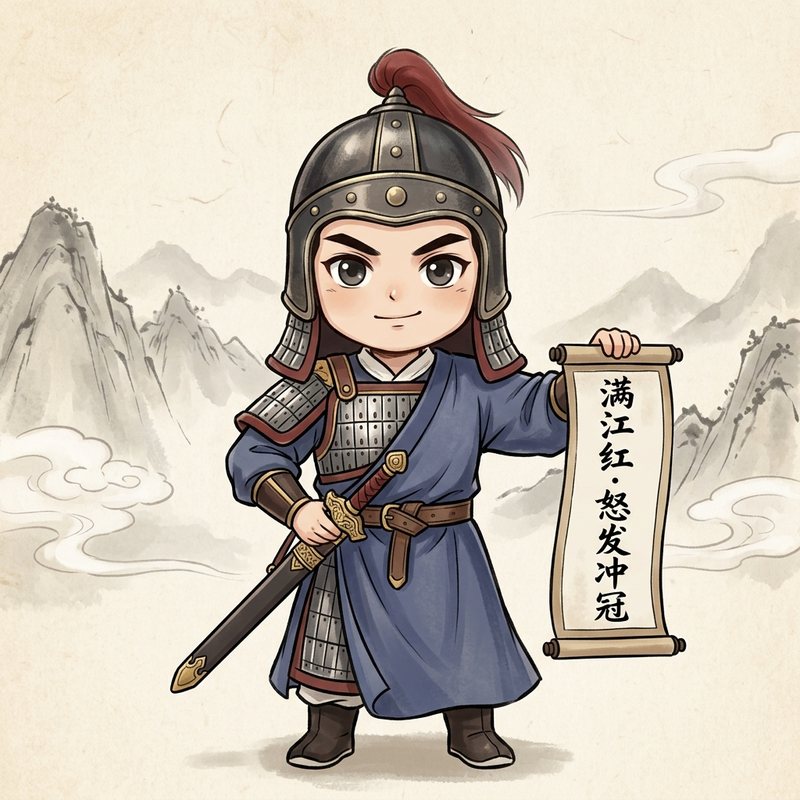
Xin Qiji (辛弃疾 · Xīn Qìjí)
字幼安 · 号稼轩 · 词中之龙
The Warrior Poet: A general trapped in peacetime, channeling furious battlefield grief into immortal heroic verse.
把吴钩看了,栏杆拍遍,无人会,登临意;文能提笔安天下,武能上马定乾坤的悲壮词龙。
- The Warrior Poet: A rare combination of fearless commander and literary genius, Xin Qiji raided a 50,000-man enemy camp with just fifty riders at age twenty-two, then became Southern Song's greatest heroic poet.
- Master Strategist Ignored: He submitted brilliant reconquest doctrines like the 'Ten Discourses on Humble Advice' and 'Nine Proposals', only to be sidelined by an appeasement court addicted to peace.
- Forged the Flying Tiger Army: As Governor of Hunan, he defied imperial red tape under threat of execution to build the elite 'Flying Tiger Army', the legendary shield of the Southern Song frontier.
- The Dragon of Ci Poetry: In fifteen years of forced retirement at Daihu Lake, he transmuted unquenched battlefield fury into immortal masterpieces like 'Po Zhen Zi' and 'Yong Yu Le'.
- An Unfulfilled Patriot: Even on his deathbed, he screamed 'Kill the enemy!'—a tragic hero whose iron heart never surrendered until his final breath.
Phase 1: Born Under Occupation & The Secret Vow (1140–1161)
Xin Qiji was born in 1140 CE in Jinan (modern Shandong Province), a city that had been under Jurchen Jin occupation for over a decade. Raised by his grandfather Xin Zan—a Song loyalist forced to serve the invaders—young Xin was taken up high mountains to gaze at China's lost northern rivers. There was no gentle childhood, only secret training in archery, blades, and military strategy. His grandfather planted a blood-soaked spark in the boy's heart: you must survive, and become a blade that severs the invader's iron hooves.
公元1140年,辛弃疾出生于金国统治下的济南。祖父辛赞身在金营心在宋,常牵着幼小的辛弃疾登上高冈,遥望北方残破的烽燧,指点沦陷的关山。没有童年的安逸,只有暗中练习的骑射刀枪与满腔屈辱的泪水。祖父在少年心底埋下了一颗带血的火种:你必须活下去,做一把斩断异族铁蹄的刀。
乘风好去,长空万里,直下看山河。
Chéng fēng hǎo qù, cháng kōng wàn lǐ, zhí xià kàn shān hé.
Riding the howling wind through ten thousand miles of clear sky, looking down upon our glorious mountains and rivers.
Context · From 'Tai Chang Yin', capturing Xin Qiji's lifelong yearning to fly over and liberate the lost north.
Phase 2: The 50-Rider Night Raid (1162)
In 1161, when the Jin emperor marched south, 21-year-old Xin Qiji raised an army of thousands in armed rebellion. But when his supreme commander was assassinated by a traitor who defected to the Jin empire, Xin Qiji was consumed by icy wrath. At twenty-two, he led fifty elite suicide riders on a 300-mile night raid into the depths of a 50,000-man enemy fortress. In the command tent, he grabbed the traitor Zhang Anguo mid-banquet, tied him to a saddle, and carved an impossible path of blood out through thousands of troops—delivering him to the execution block at Jiankang. The entire Song court was stunned into silence.
公元1161年,完颜亮大举南侵,二十一岁的辛弃疾聚众起义,誓师反金。然而起义军领袖耿京被叛徒张安国暗杀,义军四散溃败。二十二岁的辛弃疾怒发冲冠,率领五十名敢死骑兵,直插五万敌军大营!雨夜的狂飙中,他如尖刀般刺穿金军连营,于中军大帐将正在饮酒作乐的叛徒当场生擒,横刀立马杀出重围,狂奔数百里渡江南下,于临安将叛贼明正典刑。整个南宋朝廷为之失色,惊呼『此真虎狼之将也!』
壮岁旌旗拥万夫,锦襜突骑渡江初。
Zhuàng suì jīng qí yōng wàn fū, jǐn chān tū qí dù jiāng chū.
In my glorious youth, banners rallied ten thousand warriors; robed in silk brocade, our cavalry charged across the great river.
Context · Recalling the legendary 50-rider raid that shook the entire empire.
Phase 3: Lin'an & The Rejected War Doctrine (1165–1179)
After crossing the Yangtze, Xin Qiji's euphoria was short-lived. To an imperial court addicted to cowardice and appeasement, this untamable northern warrior inspired not gratitude, but deep paranoia and distrust. Emperor Xiaozong had just ascended, and Xin Qiji submitted his tactical masterpieces—the 'Ten Discourses on Humble Advice' and 'Nine Proposals'—detailing troop movements, spy networks, and agricultural warfare. But the court, intoxicated by West Lake's pleasures, treated this master general as an inconvenient troublemaker, ordering him to count grain sacks and audit tax records. Climbing riverside towers, he clutched his sword and beat the railings in agonized silence.
然而,南渡后的狂喜转瞬即逝。一心求和的南宋君臣,面对这个战神般的北方『归正人』,心底升腾起的不是惊喜,而是戒备与猜忌。宋孝宗即位后,辛弃疾接连进献《美芹十论》与《九议》,算尽了天下兵马粮草。但朝廷沉溺于西湖歌舞,视其为主战狂人,只授以文职闲散官阶。登临建康赏心亭,他抚摸着杀敌的佩剑,拍遍了楼头木栏,满腔孤愤无人能懂。
把吴钩看了,栏杆拍遍,无人会,登临意。
Bǎ wú gōu kàn le, lán gān pāi biàn, wú rén huì, dēng lín yì.
I gaze upon my curved blade and beat against the railings; yet no one understands the solitary anguish of my climb.
Context · From 'Shui Long Yin', the definitive lament of a warrior denied the battlefield.
Phase 4: Changsha & The Flying Tiger Army (1180–1181)
Denied imperial armies, Xin Qiji turned to regional governance. As Governor of Hunan in 1179, confronting marauding bandits and decaying defense, he bypassed imperial red tape to create the legendary 'Flying Tiger Army'. When the central ministry cut his budget, he raised local funds; when secret edicts ordered him to stop, he defied the throne under pain of death. In just one month, he built fortresses and trained 3,000 elite cavalrymen. Disciplined and lethal, they became Southern Song's legendary shield. But his military brilliance terrified the spineless bureaucrats in Lin'an.
既然朝廷不给兵权,他便把目光投向地方。任湖南安抚使期间,面对盗贼蜂起与防务空虚,他力排众议,挪借资金、招募壮士,在长沙创立『飞虎军』。朝廷不拨军饷,他便自辟财源;枢密院下金牌阻止,他硬顶着抗旨杀头的死罪,一个月内建成了坚不可摧的军营。三千名铁血男儿被编练为纪律如铁的『飞虎军』,不仅横扫荆湘盗匪,更在此后数十年间成为南宋防线的擎天一柱。但他越能打,朝廷的弹劾与猜忌就越如雪片般飞来。
金戈铁马,气吞万里如虎。
Jīn gē tiě mǎ, qì tūn wàn lǐ rú hǔ.
Spears of gold and armored steeds, devouring ten thousand leagues like a ravenous tiger.
Context · From his iconic poem praising heroic military might.
Phase 5: Daihu Hermitage & Fifteen Years of Exile (1181–1196)
Accused by corrupt courtiers of 'spending gold like mud and slaughtering enemies like grass', 42-year-old Xin Qiji was stripped of all military rank and exiled to rural Shangrao. Settling at Daihu Lake, he styled himself 'Jiaxuan' and spent fifteen agonizing years farming in forced retirement. Unable to sleep, he poured his unquenched battlefield fury into masterpieces like 'Po Zhen Zi' and 'Moon over the Western River'. Drunkenly inspecting his rusted broadsword beneath the flickering lamp, he dreamed of iron cavalry thundering across northern snow—waking only to cold drizzle on lotus leaves. He never wanted to be a poet; a cowardly empire forced a titan to bleed through his brush.
『用钱如泥沙,杀人如草芥』,谏官们罗织的罪名扣了下来。公元1181年,四十二岁的辛弃疾被一纸诏书彻底罢官,遣送至江西上饶。他在带湖营建庄园,自号『稼轩居士』,躬耕陇亩却夜夜难眠。深夜酒醉之后,他总是忍不住拔出那柄锈迹斑驳的宝剑,在孤灯下反复摩挲。『醉里挑灯看剑,梦回吹角连营!』他梦里全都是战马嘶鸣、鼓角连天的塞外战场,醒来却只见秋雨打在带湖荷叶上的萧瑟声响。不是他想做个文人,是那个懦弱的朝廷,逼得一代战神只能用笔滴血写词!
醉里挑灯看剑,梦回吹角连营。八百里分麾下炙,五十弦翻塞外声,沙场秋点兵。
Zuì lǐ tiǎo dēng kàn jiàn, mèng huí chuī jiǎo lián yíng. Bā bǎi lǐ fēn huī xià zhì, wǔ shí xián fān sài wài shēng, shā chǎng qiū diǎn bīng.
Drunkenly I trim the lamp to inspect my blade; in dreams I wake to horns echoing across sprawling encampments. Feasting our soldiers on roast beef, fifty strings sound border music; an autumn review on the battlefield.
Context · From 'Po Zhen Zi', written for friend Chen Liang, the ultimate martial dream.
Phase 6: Zhenjiang & The Eternal Question (1204–1205)
After a catastrophic fire destroyed his estate, the 64-year-old exiled veteran received an astonishing summons from the border front. Prime Minister Han Tuozhou launched the Kai-xi Northern Expedition and appointed Xin Qiji Governor of Zhenjiang. Gazing across the Yangtze from Beigu Pavilion, the master strategist saw that the army was woefully unprepared. Working day and night to forge armor and train scouts, he warned fiercely against reckless adventurism. Clutching the stone rail, he penned the crowning glory of Song poetry, 'Yong Yu Le'—ending with the devastating cry: 'Who is left to ask: Is old general Lian Po still able to fight?'
带湖的一场大火烧毁了庄园,辛弃疾迁居铅山瓢泉。直到公元1204年,六十四岁的垂暮老将,忽然等来了一封来自前线的加急帅印。宰相韩侂胄策划『开禧北伐』,起用辛弃疾知镇江府。六十四岁的辛弃疾须发皆白,扶杖登临北固亭。深谙用兵之道的他一眼看穿了这是送死的赌博,一边日夜赶造战袍铠甲、招募细作侦察金营,一边痛心疾首地警告朝廷不可轻敌。抚摸着石栏,他写下了被后世尊为宋词巅峰的《永遇乐》。『千古江山,英雄无觅孙仲谋处!』最后一句『凭谁问:廉颇老矣,尚能饭否?』字字带血,震裂苍穹!
廉颇老矣,尚能饭否?
Lián Pō lǎo yǐ, shàng néng fàn fǒu?
General Lian Po is old now; can he still fight?
Context · The earth-shattering closing line of 'Yong Yu Le', agonizing over aging and betrayal.
Phase 7: Piaoquan & The Final War Cry (1207)
Enraged by his warnings, the prime minister dismissed Xin Qiji once more. In 1206, the hasty invasion was routed with catastrophic casualties. Panicking, the Emperor issued emergency decrees appointing Xin Qiji supreme field director. But fate had run out of time. The autumn wind at Piaoquan brought the Emperor's golden seals, pleading for him to take command of the crumbling army—yet bedridden Xin Qiji could no longer even grip a brush. In late autumn 1207, the 68-year-old warrior suddenly surged upward with superhuman fury. Staring north, he screamed 'Kill the enemy! Kill the enemy!' until his voice shook the roof and his heart gave out. The warrior's iron soul passed into immortality.
忠言逆耳,韩侂胄嫌他消极避战,再次将他撤职降调。公元1206年,宋军草率北伐惨遭全线溃败。次年秋天,悔不当初的朝廷再次下旨拜他为枢密都承旨,但一切都太迟了。铅山瓢泉的秋风,送来了朝廷封他为枢密都承旨、急令领兵救国的金字圣旨。但病榻上的辛弃疾,甚至已经无法握紧笔杆。公元1207年深秋,六十八岁的老将军突然从病榻上拼尽全力挣扎而起,双目圆睁,面朝北方连声狂呼:『杀贼!杀贼!』声震屋瓦,直至气绝。一个民族最悲壮的武魂,自此凝固成了永恒的传奇。
道男儿到死心如铁。看试手,补天裂。
Dào nán ér dào sǐ xīn rú tiě. Kàn shì shǒu, bǔ tiān liè.
Declare that a true man's heart remains iron until death; watch my hands mend the fracture of the heavens.
Context · From 'He Xin Lang', his unbreakable oath of defiance.
| Perspective 视角 | Xin Qiji (The Warrior Poet) | Wilfred Owen (The British War Poet) |
|---|---|---|
| Core Literary Mission | Elevated ci poetry to epic heights, blending battlefield valor with profound melancholy—a warrior denied the battlefield pouring unfulfilled fury into immortal heroic verse. | Pioneered modern English war poetry, exposing the brutal reality of World War I trenches with devastating honesty in poems like 'Dulce et Decorum Est'. |
| Relationship with War | A genuine military commander who raided a 50,000-man camp with fifty riders and forged the Flying Tiger Army, yet was denied command by an appeasement court. | A soldier who fought and died in the trenches, using his own combat experience to condemn the romantic lies of war and honor the fallen. |
| Response to Political Disappointment | Sidelined for four decades, he transmuted his grief into heroic poetry—'beating the railings till they rang'—while still building armies and warning against reckless war. | Returned to the front despite his disillusionment, driven by duty to his men, and was killed in action days before the Armistice. |
| Enduring Legacy | Known as the 'Dragon of Ci Poetry', the greatest heroic poet of the Southern Song, whose 'Po Zhen Zi' and 'Yong Yu Le' remain cornerstones of Chinese literature. | One of the most important poets of World War I, whose anti-war masterpieces reshaped how the world remembers the Great War. |
Trace Xin Qiji's Footsteps on the Interactive Topographic Map
Follow his actual historical trail across 7 imperial stations—from occupied Jinan and the legendary 50-rider raid to the rejected war doctrines of Lin'an, the Flying Tiger Army of Changsha, fifteen years of exile at Daihu Lake, and the eternal question atop Beigu Pavilion.
Launch Interactive Journey MapFrequently Asked Questions (FAQ)
Why is Xin Qiji called the Dragon of Ci Poetry?
Xin Qiji earned the title 'Dragon of Ci Poetry' (词中之龙) because he elevated the ci form to heroic, epic heights unmatched in the Southern Song. Unlike the delicate, romantic ci of his predecessors, his verses thundered with battlefield valor, iron will, and profound melancholy—blending a warrior's fury with a poet's grief. Works like 'Po Zhen Zi' and 'Yong Yu Le' fused martial imagery with deep emotion, making him the greatest heroic (haofang) poet of his era and a towering figure in all of Chinese literature.
Did Xin Qiji really raid a 50,000-man camp with only 50 riders?
Yes. In 1162, at age twenty-two, after the traitor Zhang Anguo murdered his rebel commander and defected to the Jin empire, Xin Qiji led fifty elite riders on a 300-mile night raid. Infiltrating a 50,000-strong enemy fortress, he seized the traitor mid-banquet, tied him to a saddle, and fought his way out through thousands of troops. He delivered Zhang Anguo to the execution block at Jiankang. The feat stunned the entire Song court, which reportedly hailed him as a 'tiger-wolf general'.
What is the Flying Tiger Army?
The Flying Tiger Army (飞虎军) was an elite military corps that Xin Qiji forged as Governor of Hunan in 1180. Facing marauding bandits and decaying defenses, he bypassed imperial red tape—raising local funds when the ministry cut his budget and defying secret edicts under threat of execution. In just one month he built fortresses and trained 3,000 elite cavalrymen under iron discipline. The Flying Tiger Army became the legendary shield of the Southern Song frontier, guarding it for decades.
What is the meaning of 'Lian Po is old now; can he still fight?'
The line '廉颇老矣,尚能饭否?' ('General Lian Po is old now; can he still fight?') is the devastating closing of Xin Qiji's masterpiece 'Yong Yu Le' (永遇乐·京口北固亭怀古), written in 1204 when he was 64. It invokes the ancient Warring States general Lian Po, who proved his fitness by eating a huge meal when summoned to serve. Xin Qiji used it to ask whether his own aging body and sidelined career still had a place on the battlefield—a tragic, defiant cry of a hero who feared he would die before his homeland was reclaimed.
How did Xin Qiji die?
Xin Qiji died on October 3, 1207, at age 68, at his hermitage in Piaoquan (modern Yanshan, Jiangxi). After the hasty Kai-xi Northern Expedition collapsed in 1206, the panicked Emperor urgently appointed him supreme field director. But when the golden seals arrived, the old warrior was on his deathbed. In his final moments, he suddenly surged upward, stared north, and screamed 'Kill the enemy! Kill the enemy!' (杀贼!杀贼!) until his heart gave out. He was posthumously honored with the title Junior Preceptor and the posthumous name 'Zhongmin' (忠敏).
What is Xin Qiji's most famous poem?
Xin Qiji's most famous poem is 'Yong Yu Le: Recalling the Past at Beigu Pavilion in Jingkou' (永遇乐·京口北固亭怀古), written in 1204 atop Mount Beigu in Zhenjiang. Widely regarded as the crowning glory of Song ci poetry, it meditates on heroes like Sun Quan and Liu Yu while lamenting the aging warrior's own fate, ending with the immortal cry: 'Who is left to ask: Is old general Lian Po still able to fight?' Another beloved masterpiece is 'Po Zhen Zi' (破阵子), with its dream of war horns and autumn battlefield reviews.
Walk with Xin Qiji Across China
随辛弃疾漫步华夏河山 · 亲历命运逆境与精神涅槃