Xin Qiji
Southern Song Dynasty(1140–1207)Age 1 · Jinan“A brilliant general trapped in peacetime, turning battlefield fury into immortal verse.”
The Complete Life Journey & Biography of Xin Qiji (Song Poet) (辛弃疾)
Chronological travel & exile routes mapped to modern Chinese cities across Southern Song Dynasty China — featuring bilingual scholar audio, classical poetry recitations, and historical cross-paths.
Jin Military Camp (五十骑突阵)
Age 221162 CEModern-day analog: Jurchen Military Outpost
50 suicide riders charging a 50,000-man fortress to kidnap a traitor alive.
In the slashing rain, muffled hooves thundered in the dark. 22-year-old Xin Qiji and fifty suicide riders plunged like a dagger into the 50,000-man enemy fortress. In the command tent, traitor Zhang Anguo was raising a cup when cold steel met his throat. Amidst deafening chaos and desperate enemy encirclement, Xin Qiji hauled the traitor onto horseback and carved an impossible path of blood out into the night. Crossing the Yangtze, he delivered the traitor to the execution block. The Song court was stunned into silence.
“In my glorious youth, banners rallied ten thousand warriors; robed in silk brocade, our cavalry charged across the great river.”
壮岁旌旗拥万夫,锦襜突骑渡江初。(Zhuàng suì jīng qí yōng wàn fū, jǐn chān tū qí dù jiāng chū.)Lin'an Capital (行在临安)
Age 251165 CEModern-day analog: Southern Song Capital (Modern Hangzhou)
Submitting masterclasses in reconquest strategy, only to be laughed off as a madman.
The warm breezes of Hangzhou intoxicated tourists and cowards, but froze Xin Qiji's soul. In lonely taverns, he poured his military genius into tactical treatises detailing troop movements, spy networks, and agricultural warfare. His submissions vanished into bureaucratic black holes. The court treated this master general as an inconvenient troublemaker, ordering him to count grain sacks and audit tax records. Climbing riverside towers, he clutched his sword and beat the railings in agonized silence.
“I gaze upon my curved blade and beat against the railings; yet no one understands the solitary anguish of my climb.”
把吴钩看了,栏杆拍遍,无人会,登临意。(Bǎ wú gōu kàn le, lán gān pāi biàn, wú rén huì, dēng lín yì.)Changsha Feihu Army (潭州飞虎军)
Age 401180 CEModern-day analog: Modern Changsha, Hunan
Building Southern Song's elite strike force from scratch under threat of execution.
The Xiang River churned as battle cries echoed off the banks. At forty, Xin Qiji unleashed his iron will. When the central ministry cut his budget, he raised local funds; when secret edicts ordered him to stop, he defied the throne under pain of death. In just one month, he built fortresses and trained 3,000 elite cavalrymen: the 'Flying Tiger Army'. Disciplined and lethal, they became Southern Song's legendary shield. But his military brilliance terrified the spineless bureaucrats in Lin'an.
“Spears of gold and armored steeds, devouring ten thousand leagues like a ravenous tiger.”
金戈铁马,气吞万里如虎。(Jīn gē tiě mǎ, qì tūn wàn lǐ rú hǔ.)Daihu Hermitage (上饶带湖)
Age 421181 CEModern-day analog: Modern Shangrao, Jiangxi
Drunkenly examining his blade beneath the lamp, dreaming of war horns in exile.
The nights at Daihu Lake were deafening in their silence. The great general was forced to roll up his sleeves and plant rice. Yet late at night, fueled by cheap wine, he inevitably drew his rusted broadsword beneath the flickering lamp. 'Drunkenly I inspect my sword; in dreams I wake to war horns!' In his sleep, iron cavalry thundered across the northern snow; waking, there was only the cold drizzle hitting lotus leaves. 'Alas, white hair has grown!' He never wanted to be a poet; a cowardly empire forced a titan to bleed through his brush.
“Drunkenly I trim the lamp to inspect my blade; in dreams I wake to horns echoing across sprawling encampments. Feasting our soldiers on roast beef, fifty strings sound border music; an autumn review on the battlefield.”
醉里挑灯看剑,梦回吹角连营。八百里分麾下炙,五十弦翻塞外声,沙场秋点兵。(Zuì lǐ tiǎo dēng kàn jiàn, mèng huí chuī jiǎo lián yíng. Bā bǎi lǐ fēn huī xià zhì, wǔ shí xián fān sài wài shēng, shā chǎng qiū diǎn bīng.)Zhenjiang Beigu Pavilion (镇江北固亭)
Age 641204 CEModern-day analog: Modern Zhenjiang, Jiangsu
Standing atop Mount Beigu asking: 'Is Lian Po too old to fight?'
The Yangtze surged beneath Mount Beigu. 64-year-old Xin Qiji, his beard white as snow, leaned on his walking staff atop Beigu Pavilion. The ambitious prime minister wanted a hasty war for personal glory, but master strategist Xin Qiji knew it was suicide without preparation. Working day and night to forge armor and train scouts, he warned the court against reckless haste. Clutching the stone rail, he penned the crowning glory of Song poetry: 'Across thousands of years, where can we find a hero like Sun Quan?' Ending with the devastating cry: 'Who is left to ask: Is old general Lian Po still able to fight?'
“General Lian Po is old now; can he still fight?”
廉颇老矣,尚能饭否?(Lián Pō lǎo yǐ, shàng néng fàn fǒu?)Piaoquan Hermitage (铅山绝响)
Age 681207 CEModern-day analog: Modern Yanshan, Jiangxi
Screaming 'Kill the enemy!' with his final breath, the dragon of verse passed into legend.
The autumn wind at Piaoquan brought the Emperor's golden seals, pleading for him to take command of the crumbling army. But bedridden Xin Qiji could no longer even grip a brush. Outside lay a bleeding country shattered by incompetent leaders; beside him lay decades of unfulfilled vows. In late autumn 1207, 68-year-old Xin Qiji suddenly surged upward with superhuman fury. Staring north, he screamed 'Kill the enemy! Kill the enemy!' until his voice shook the roof and his heart gave out. The warrior's iron soul passed into immortality.
“Declare that a true man's heart remains iron until death; watch my hands mend the fracture of the heavens.”
道男儿到死心如铁。看试手,补天裂。(Dào nán ér dào sǐ xīn rú tiě. Kàn shì shǒu, bǔ tiān liè.)
Literati Knowledge Vault · 先贤知识宝库
In-Depth Essays & Philosophical Inquiries on Xin Qiji
Deep dives, myth-busting, and modern psychological lessons from Xin Qiji's life and philosophy.
暂无已发布的深度专栏文章。
Historical Nexus & Intersecting Journeys
与 辛弃疾 (Xin Qiji) 时空交汇、思想交锋或命运相连的华夏先贤网络
Historical Nexus & Intersecting Journeys
与 辛弃疾 时空交汇、思想交锋或命运相连的华夏先贤网络
Zhu Xi
朱熹
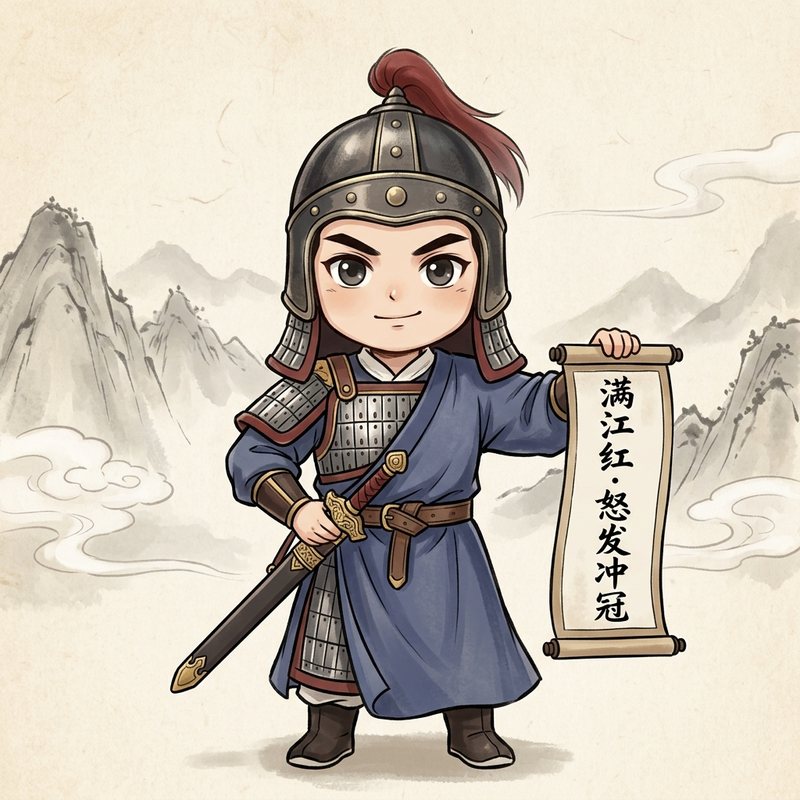
Defied political bans to attend Zhu Xi's funeral when other disciples fled, hailing his immortal philosophical name.
庆元党禁朱熹道学获罪,门人莫敢往,唯辛弃疾不避嫌怨前往哭吊:'所不朽者,垂万世名!'
Lu You
陆游
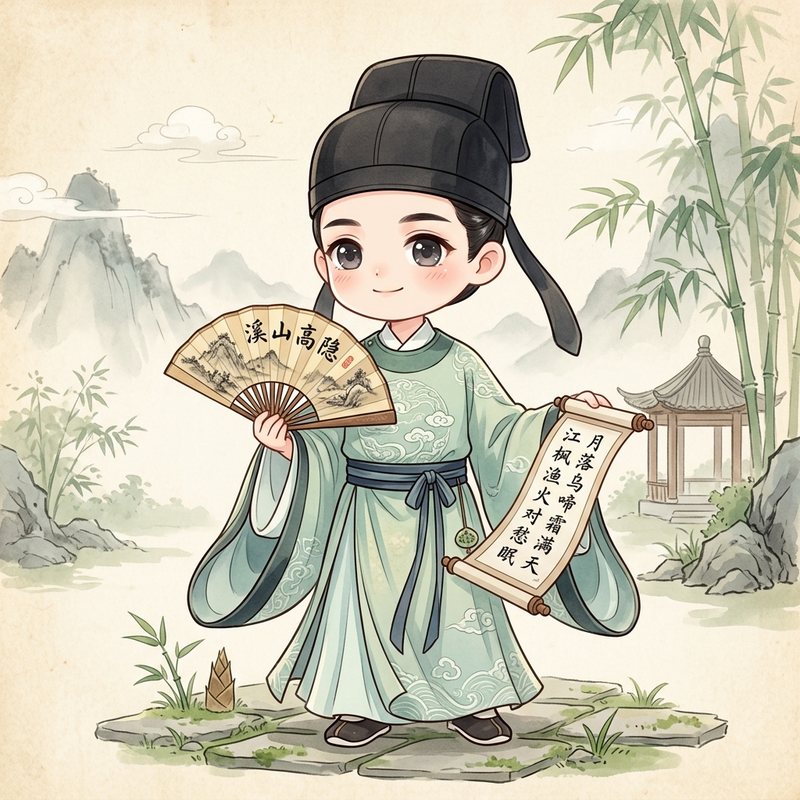
The twin champions of Northern recovery: Xin wielded the sword and lyric, Lu wielded the brush and national lament.
南宋抗金恢复主战双峰,辛弃疾横刀立马,陆游诗胆通天,晚年互励中原北定之志。

Li Qingzhao
李清照
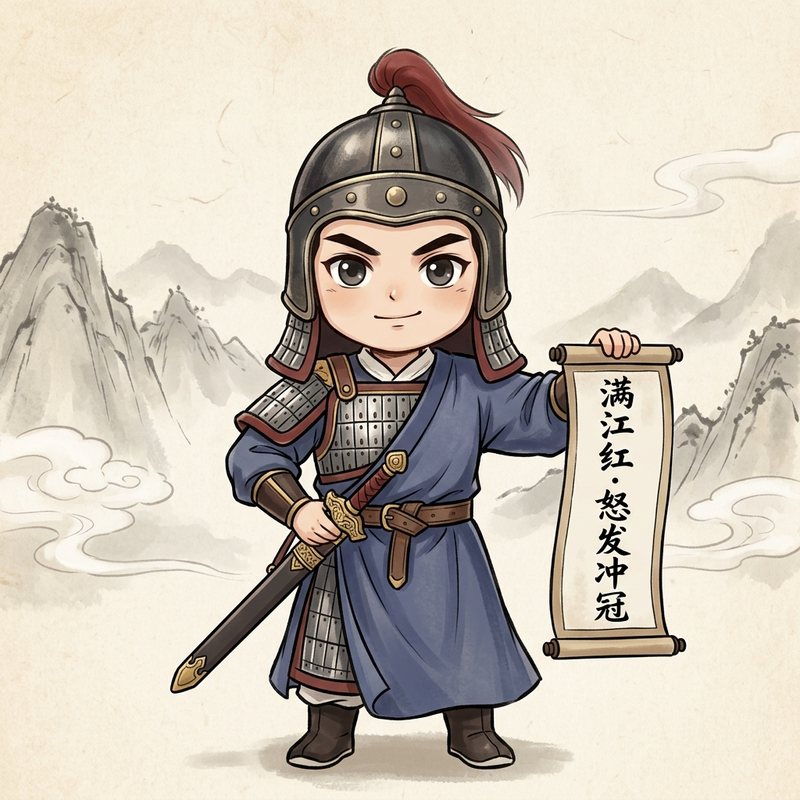
Inherited the northern homeland memory and transmuted exile grief into thunderous martial odes.
同样怀抱收复故土之志,其词作熔铸李清照家国遗恨与金戈铁马雄风。
Wen Tianxiang
文天祥
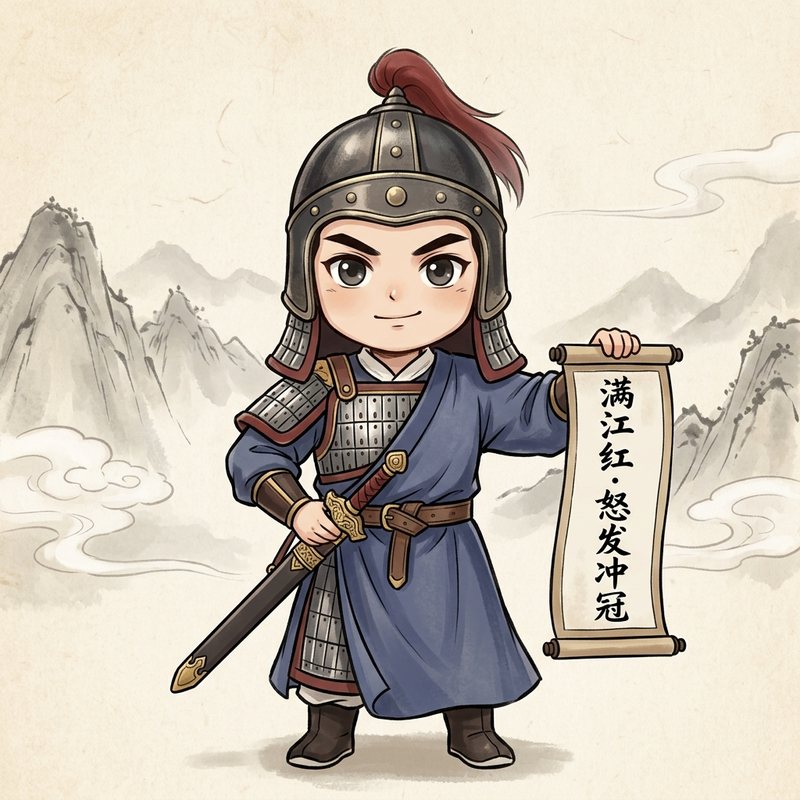
Xin's unyielding patriotic resolve provided the spiritual furnace for Wen Tianxiang's final resistance.
辛弃疾词作所凝结的刚烈爱国精神,直接滋养了文天祥舍生取义的民族大义。
Key Historical Inquiries & Context
关于 辛弃疾 (Xin Qiji) 的核心史实考证、公案辨析与中英直答
Who was Xin Qiji (辛弃疾)?
Xin Qiji was Southern Song's greatest heroic poet and an extraordinary military commander. At twenty-two, he led fifty riders on a daring night raid into a 50,000-strong enemy camp, capturing a traitor alive. Despite presenting brilliant strategic doctrines to reclaim Northern China, he was sidelined and distrusted by appeasement factions for four decades. He poured his unyielding rage and tactical genius into immortal lyrics, etching an eternal heroic tragedy into Chinese history.
What was Xin Qiji's primary cultural and historical legacy?
Xin Qiji is celebrated across world history as a pioneer of The Warrior Poet, The Frustrated Patriot, The Dragon of Ci Poetry, leaving enduring philosophical insights, literature, and art.
Where does Xin Qiji's historical life journey map lead?
This interactive GIS map retraces 7 chronological stops across Southern Song Dynasty China, originating from Jinan and spanning through Piaoquan Hermitage.