Who Was Lu You? Patriotic Song Poet Who Wrote 10,000 Poems
Who Was Lu You? Patriotic Song Poet Who Wrote 10,000 Poems
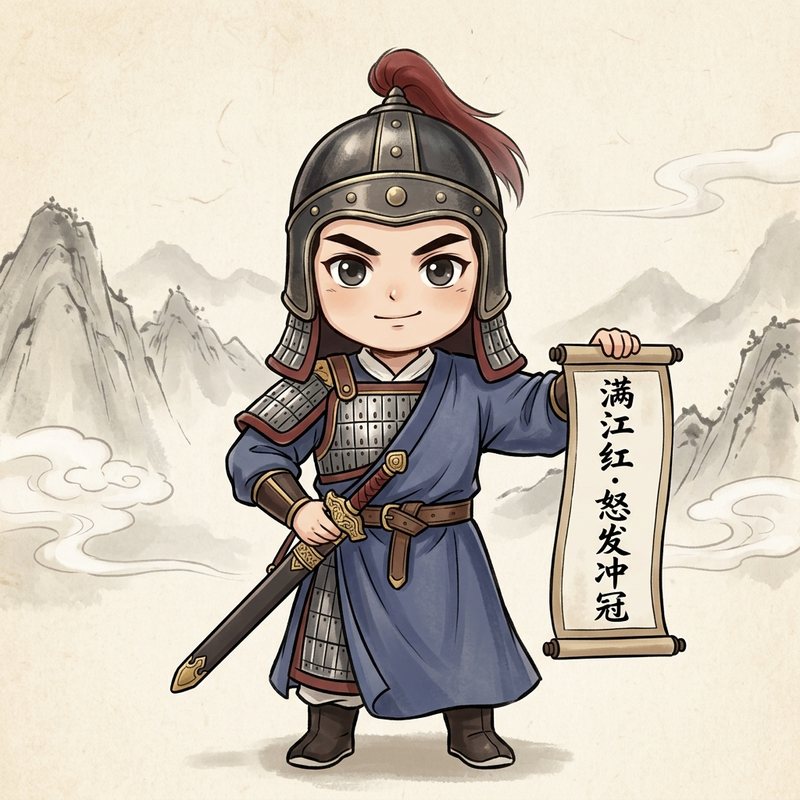
Lu You (陆游 · Lù Yóu)
字务观 · 号放翁
The supreme patriotic poet of the Southern Song: author of nearly 10,000 verses, warrior-poet of the frontier, and author of China's immortal patriotic testament.
南宋爱国文宗,存诗近万首之最;铁马冰河入梦,示儿绝唱千古。
- The Wordsworth & Du Fu of the Song Dynasty: China's most prolific poet with nearly 10,000 surviving verses, combining William Wordsworth's immense output and pastoral observation with Du Fu's gravitas as a patriotic poet-historian.
- The Warrior-Poet of Dashan Pass: Unlike typical armchair scholars, Lu You donned iron armor at age 48 on the frontline borderlands of Nanzheng, scouting garrisons and drafting battle plans to liberate the fallen northern capital.
- Master of Unflinching Moral Resilience: Repeatedly purged and impeached by appeasement factions—first by Chancellor Qin Hui and later for illegally opening state granaries to feed starving peasants—yet never surrendered his principles.
- The Tragic Lover of Shen Garden: His forced divorce from his beloved cousin Tang Wan and their heartbreaking reunion a decade later produced 'Chai Tou Feng' (Hairpin Phoenix), China's most poignant romantic tragedy.
- The Immortal Deathbed Testament: Left no estate or gold on his deathbed at age 85, only his four-line poem 'To My Son' (示儿), commanding his heirs to report the eventual reunification of China at his ancestral altar.
Phase 1: Infant Refugee, The Shen Garden Tragedy & Defying Qin Hui (1125–1154)
Lu You was born on November 13, 1125 CE, into an illustrious family of scholar-officials while his parents were traveling by riverboat in Huaishang (modern Huai'an, Jiangsu Province). His father, Lu Zai, was an upright and patriotic high official whose ancestral home lay in Shanyin, Yuezhou (modern Shaoxing, Zhejiang Province). Fate struck brutally almost from his first breath: in 1126 CE, the catastrophic 'Jingkang Incident' erupted as Jurchen Jin armies sacked the Northern Song capital of Bianjing (Kaifeng), capturing two emperors and plunging northern China into brutal occupation. Held tightly in his mother's arms aboard a crowded riverboat, the infant Lu You fled south amid billowing war smoke and fleeing refugees, absorbing the heartbreak of a shattered nation with his earliest memories.
宋宣和七年(1125年),陆游出生于名门书香官宦之家,其父陆宰为北宋著名爱国士大夫,祖籍越州山阴(今浙江绍兴)。陆游出生次年即爆发震惊中外的‘靖康之变’,金兵南下铁蹄踏碎汴京,北宋王朝土崩瓦解。尚在襁褓之中的陆游随家人被迫仓皇乘船南渡避难,颠沛流离于江淮与江南水乡之间。国破家亡的民族巨痛与父辈的爱国悲愤,在幼年陆游的心底刻下了终生难泯的烙印,筑就了他毕生矢志抗金收复中原的浩然底色。
Growing up in Shanyin amidst an extensive family library, Lu You read ravenously and mastered poetry and swordplay. In 1144 CE, at age twenty, he married his maternal cousin Tang Wan, a woman of exquisite literary talent and gentle virtue. The young couple shared an idyllic, deeply affectionate union, writing verse and appreciating calligraphy together. However, Lu You's mother feared that his deep romantic devotion was distracting him from the civil service examinations and family expectations. Under strict Confucian filial pressure, she forced the couple to divorce in 1145 CE. Both subsequently remarried against their hearts. A decade later, in 1155 CE, they unexpectedly crossed paths in the spring blossoms of Shen Garden in Shaoxing. Emotionally overwhelmed, Lu You brushed his grief onto the garden wall in the immortal lyric 'Chai Tou Feng.'
在山阴故里的藏书阁中,陆游自幼博览群书,兼修诗律与剑术。绍兴十四年(1144年),二十岁的陆游与才貌双全的表妹唐婉结为连理,伉俪情深、琴瑟和鸣。然而陆母认为二人过于缠绵耽误科举仕途,严令二人离异。在封建礼教的强力威逼下,陆游被迫休妻,二人各自凄凉再嫁。十年后的绍兴二十五年(1155年),二人于绍兴沈园偶然相逢,唐婉遣人致酒肴相敬。陆游百感交集、肝肠寸断,在沈园粉壁上挥泪题写千古名作《钗头凤·红酥手》;唐婉见之悲痛和词,不久便凄凉郁郁而终,成就了华夏文学史上最令人叹惋的爱情悲剧。
红酥手,黄縢酒,满城春色宫墙柳。东风恶,欢情薄。一怀愁绪,几年离索。错、错、错!
Hóng sū shǒu, huáng téng jiǔ, mǎn chéng chūnsè gōngqiáng liǔ. Dōngfēng è, huānqíng bó. Yī huái chóuxù, jǐ nián lísuǒ. Cuò, cuò, cuò!
Pink tender hands, rich golden wine, willows along the palace walls brimming with city-wide spring. The east wind is cruel, joyous love fleeting. A heart choked with sorrow, drifting apart for years. Wrong, wrong, wrong!
Context · Brushed onto the pavilion wall of Shen Garden in Shaoxing after an accidental encounter with his divorced beloved Tang Wan, immortalizing China's most celebrated romantic tragedy.
In 1153 CE, twenty-nine-year-old Lu You traveled to the southern capital of Lin'an (modern Hangzhou) to sit for the prestigious Suoting examination, claiming first place with his brilliant literary exposition. The following year (1154 CE), he took the imperial Ministry of Rites examination, once again ranking at the very top. However, in his policy essays, Lu You passionately championed armed northern reconquest ('delighting in discussing national restoration'). Moreover, his ranking placed him ahead of Qin Xun, the favored grandson of the notorious pro-appeasement Grand Chancellor Qin Hui. Infuriated by the young scholar's defiant anti-peace rhetoric and eclipse of his grandson, Qin Hui struck Lu You's name entirely from the imperial roster. Rather than grovel, Lu You packed his books and returned home, uncompromising and proud.
绍兴二十三年(1153年),二十九岁的陆游赴临安应锁厅试荣登榜首;次年参加礼部省试再次名列前茅。陆游在策论中‘喜论恢复’,慷慨陈词痛陈北伐大计,且考试名次排在权相秦桧之孙秦埙之前。主和派权奸秦桧见状雷霆暴怒,在殿试中以莫须有罪名将陆游无理除名黜落。面对强权打压,陆游浩然不屈,拂袖归乡,展现了士大夫宁折不弯的傲岸骨气。
Phase 2: Yangtze Bastions & The Frontline Iron Cavalry of Nanzheng (1164–1172)
Following Qin Hui's death in 1155 CE and the accession of Emperor Xiaozong in 1162 CE, the political atmosphere temporarily shifted in favor of border readiness. Around 1164 CE, Lu You was appointed Vice-Prefect of Zhenjiang (Zhenjiang Fu), the premier strategic fortress guarding the southern bank of the Yangtze River. Assisting the veteran anti-Jin commander Zhang Jun, Lu You actively participated in maritime drilling and troop provisioning. During respites from garrison duties, he climbed Beigu Mountain and ascended Duojing Tower, looking out across the rolling gray waters of the Yangtze toward the occupied northern plains, composing grand and mournful lyrics that matched the churning river below.
绍兴二十五年(1155年)秦桧病死,宋孝宗即位后起用主战派士人。隆兴初年(约1164年),陆游获授镇江通判。镇江地处长江咽喉,历来为南宋抗金防线首要重镇。陆游在任上积极辅佐老将张浚整饬江防水师、操演战备。公余之时,陆游登临北固山与多景楼,凭栏远眺滚滚长江北岸沦于敌手的广袤中原,慷慨悲歌,以雄浑豪迈的词作抒发守土复疆的豪情壮志。
In 1172 CE, at forty-eight years old, Lu You was offered the opportunity of a lifetime. General Wang Yan, the Sichuan Pacification Commissioner, established an operational military headquarters in Nanzheng (modern Hanzhong, Shaanxi Province) directly bordering the Jin-occupied Qinling Mountains, and recruited Lu You to serve on his frontline staff as Officer of Military Affairs. Nanzheng was the frontline gateway: soldiers were garrisoned directly beside Dashan Pass (大散关), the heavily contested mountain fortress separating Song territory from the northern plains.
乾道八年(1172年),四十八岁的陆游迎来了人生中最具传奇色彩的戎马岁月。四川宣抚使王炎在南郑(今陕西汉中)开府督师抗金,经略关陇,特辟陆游入幕担任干办公事。南郑紧邻宋金军事对峙的最前沿要塞大散关,金戈铁马、烽燧连营,成为了陆游实现少年从军抱负的壮烈舞台。
Trading his scholar's silken gowns for iron-scaled armor, Lu You rode through the freezing blizzards of the Qinling ravines, scouted forward border outposts, speared a wild tiger during a snowy winter expedition, and helped General Wang Yan draft comprehensive operational plans for a multi-pronged northern campaign to liberate ancient Chang'an. Although this military posting lasted only eight months, living among frontline soldiers transformed Lu You forever: it purged the lingering ornate elegance from his verses, infusing his poetry with the thunderous bronze resonance of battlefield realism that would define his legacy as a warrior-poet.
脱下文人儒衫换上森寒铁甲,陆游跃马大散关风雪群山之间,巡戍要隘、亲历锋镝,曾雪夜仗剑刺虎,并协助王炎制定北伐关中、收复长安的大计。这段短短八个月的真实军旅经历,让陆游彻底褪去了早年诗文的绮丽藻饰,为其诗风注入了无与伦比的金戈铁马之气与宏阔悲壮的边塞风骨,成就了中国历史上独树一帜的爱国武人文宗。
早岁那知世事艰,中原北望气如山。楼船夜雪瓜洲渡,铁马秋风大散关。
Zǎosuì nǎ zhī shìshì jiān, zhōngyuán běiwàng qì rú shān. Lóuchuán yèxuě Guāzhōudù, tiěmǎ qiūfēng Dàsànguān.
In early youth how could I know the world's harsh hardships; gazing northward at the Central Plains, my spirit towered like mountains. Warships in snowy nights at the Guazhou ferry; iron cavalry in autumn gales at Dashan Pass.
Context · From Lu You's iconic heroic regulated verse 'Expressing Indignation' (书愤), recalling his glorious frontline military days at Dashan Pass when he personally wore armor to plan the liberation of the north.
Phase 3: Wandering in Shu, 'The Unrestrained Old Man' & First Return to Shanyin (1173–1178)
Late in 1172 CE, the timid Southern Song court succumbed once again to appeasement factions: Wang Yan was abruptly recalled to the capital and the Nanzheng frontline headquarters was permanently dismantled. Lu You's dreams of riding at the head of a liberating army into the northern plains were shattered in an instant. Reassigned across the Sichuan basin, he served in administrative posts in Chengdu, Shuzhou, Jiazhou, and Rongzhou between 1173 and 1175 CE.
乾道八年岁末,朝廷主和派死灰复燃,宋孝宗下诏召回王炎并撤销南郑宣抚司幕府,前线经略关陕的北伐宏图功亏一篑。四十八岁的陆游被迫脱下战甲,转调蜀中腹地,先后辗转任职于成都、蜀州、嘉州与荣州等地,胸中壮志难酬。
In Chengdu, Lu You struck up a luminous literary companionship with the great poet Fan Chengda, then serving as governor. To mask his suffocating bitterness over aborted military ambitions, Lu You embraced a posture of eccentric defiance, drinking wine, composing sweeping ballads, and laughing at the stuffy conventions of bureaucratic society. He formally adopted the literary art name 'Fangweng' (放翁, 'The Unrestrained Old Man'), declaring himself free from the petty ambitions of the imperial court.
在锦官城成都,陆游结识了主政成都府的大诗人范成大,二人情同骨肉、诗酒唱和。面对北伐前线的骤然瓦解与报国无门的窒息痛苦,陆游借诗酒放浪形骸、笑傲权贵,自号‘放翁’,以此宣告自己超脱于世俗蝇营狗苟的官场体制之外,写下了无数悲凉豪迈的不朽篇章。
In 1176 CE, conservative court bureaucrats seized upon his unconventional conduct, officially impeaching him on charges of being 'unruly, dissolute, and drinking to excess' (燕饮颓放). Stripped of his titles, Lu You returned to his ancestral home in Shanyin. Rather than sinking into bitter despondency, he walked the winding mountain trails and bamboo groves of Mirror Lake, conversing with village elders and sharing preserved rice wine with farmers. It was during this period of political dismissal that he penned China's most famous proverb of optimism and resilience: 'Where mountains multiply and streams wind, the path seems lost; past dark willows and blossoming flowers, another village appears.'
淳熙三年(1176年),朝中苟安保守派官僚抓住口实,以‘不拘礼法、燕饮颓放’的莫须有罪名将陆游弹劾罢官。陆游愤然离蜀,回到故乡越州山阴。面对官场倾轧,他毫无消沉颓唐之态,反以赤子胸怀漫步于镜湖山水之间,与农夫话桑麻、同野老饮腊酒。在山重水复的人生地谷中,他写下了传唱千古的哲理名篇《游山西村》,留下了‘柳暗花明又一村’的旷达生机。
山重水复疑无路,柳暗花明又一村。
Shānzhòng shuǐfù yí wú lù, liǔ'àn huāmíng yòu yī cūn.
Where mountains multiply and streams wind, the path seems lost; past dark willows and blossoming flowers, another village appears.
Context · From 'Visiting a West Mountain Village' (游山西村), written during his first dismissal in Shanyin, creating China's most celebrated philosophical proverb of resilience and hope.
Phase 4: Emergency Granary Relief, Banishment & Plowing Mirror Lake (1179–1186)
In 1179 CE, Lu You was reinstated to public office as Commissioner of Tea and Salt for Jiangnanxi Circuit, headquartered in Fuzhou (modern Fuzhou, Jiangxi Province). In the spring of 1180 CE, torrential floods devastated the region, triggering catastrophic famine that left thousands of displaced citizens starving along the riverbanks. Standard imperial regulations mandated that opening state emergency granaries required lengthy bureaucratic appeals and approvals from the capital hundreds of miles away—a process that would take months while thousands starved.
淳熙六年(1179年),陆游起复出任提举江南西路常平茶盐公事,驻节江西抚州。次年春,江西遭遇罕见特大洪涝灾害,农田倾覆、饿殍遍野。按照大宋严苛律法,地方官擅自开仓赈灾须经朝廷繁复奏报与层层核准,往返往往耗时数月,无数垂死百姓根本支撑不到圣旨下达之日。
Refusing to allow red tape to murder innocent human beings, Commissioner Lu You staked his career and his neck on a single decisive stroke: he unilaterally commanded the government granaries in Fuzhou and neighboring districts thrown open, distributing life-saving rice to tens of thousands of desperate families. Countless lives were saved. However, rigid imperial censors promptly indicted him for 'unauthorized expenditure of national grain reserves.' Stripped of his commission once more in late 1180 CE, Lu You was banished from Jiangxi.
目睹苍生垂死之惨状,陆游将个人乌纱帽乃至生死彻底置之度外。他当机立断拍板下令:即刻破锁开仓放粮,并饬令属下各县全力开仓活民,救万千黎庶于水火之中。然而,冷血刻薄的朝廷御史官僚却借机以‘擅开官仓、耗竭公帑’为由重弹陆游,陆游再次惨遭罢官革职,被逐出江西。
Returning to Shanyin, Lu You spent the next five years (1181–1186 CE) living in impoverished rustic retreat at Sanshan Cottage by the banks of Mirror Lake. Discarding his official robes for coarse hemp garments, he walked barefoot in the paddy mud alongside elderly neighbors, learned how to guide the wooden plow behind water buffaloes, and practiced herbal medicine to treat impoverished villagers without charging a cent. In this pastoral simplicity reminiscent of Tao Qian (Tao Yuanming), he composed some of his most moving and enduring lines, declaring that humble social standing could never diminish his devotion to the nation.
自淳熙八年至十三年(1181–1186年),再度罢官的陆游在山阴鉴湖边的三山草堂度过了长达五年的躬耕生涯。他脱下锦绣官袍换上粗布短褐,赤足踏入水田随邻父学耕,并自采草药为穷苦乡邻免费诊病。在宛如陶渊明般的纯粹田园生活中,陆游的诗笔深深扎根于百姓烟火,写下了‘位卑未敢忘忧国’这句穿越时空的爱国箴言。
位卑未敢忘忧国,事定犹须待阖棺。
Wèi bēi wèi gǎn wàng yōuguó, shì dìng yóuxū dài hégān.
Though humble in station, I dare never forget devotion to the nation; true judgment of a life must await the sealing of the coffin.
Context · Composed during his rustic retirement by Mirror Lake, this timeless couplet expressed Lu You's unbreakable sense of civic responsibility even when stripped of official power.
Phase 5: Prefect of Yanzhou, The Jiannan Anthology & The Defiant Historian (1186–1190)
In 1186 CE, at age sixty-two, Lu You was summoned back into imperial service by Emperor Xiaozong and appointed Prefect of scenic Yanzhou (modern Jiande, Zhejiang Province). Approaching his duties with practical Confucian benevolence, Prefect Lu repaired embankments, encouraged silk cultivation, and streamlined judicial disputes. More importantly for literary history, he utilized his spare hours in Yanzhou to organize his life's monumental poetic output, supervising the first official woodblock printing of the 'Jiannan Poetry Collection' (剑南诗稿) in twenty volumes, securing his stature as the preeminent poet of his century.
淳熙十三年(1186年),六十二岁的陆游获宋孝宗重新起用,出任严州知州(今浙江建德梅城)。在严州任上,陆游推行儒家仁政,兴修水利、轻徭劝农、整饬吏治,政绩斐然深得民心。政事之暇,陆游系统校勘平生诗作,正式雕版刊刻了流芳百世的《剑南诗稿》初刻本二十卷,以磅礴诗史确立了南宋文坛泰斗的崇高地位。
In 1188 CE, he was called to the imperial capital Lin'an to serve as Director of the Imperial Arsenal (Junqi Shaojian), supervising royal military armaments, and concurrently appointed Senior Compiler at the Institute of Imperial History. Tasked with editing the official court chronicles of Emperors Gaozong and Xiaozong, Lu You maintained the fearless brush of an authentic historian, recording truthful accounts of national setbacks and resisting court pressure to sanitize history for flattering chancellors.
淳熙十五年(1188年),陆游奉诏还京,入拜军器少监掌管天下兵甲军械,旋即兼任实录院检讨官与礼部郎中,奉敕编修高宗、孝宗两朝国史与实录。陆游秉笔直书,力求存信史以垂鉴后世,坚决拒绝阿谀附会权贵粉饰太平,展现了史官大义凛然的独立人格。
However, his unyielding moral posture quickly alienated new appeasement cliques. In 1190 CE, censorate officials fabricated preposterous charges, accusing Lu You of 'mocking wind and moon with frivolous verses and engaging in irregular political discourse.' Dismissed from office once again, the sixty-six-year-old poet packed his bags and left the capital for good, returning permanently to his cottage in Shanyin.
然而其耿介刚直的作风再度招致主和派近臣的忌恨。绍熙元年(1190年),谏官无端罗织罪名,给六十六岁的陆游扣上‘嘲咏风月、论列无常’的荒谬罪名弹劾罢免。陆游坦然离京,彻底告别了仕途羁绊,终老山阴故园。
小楼一夜听春雨,深巷明朝卖杏花。
Xiǎolóu yīyè tīng chūnyǔ, shēnxiàng míngcháo mài xìnghuā.
Listening all night to spring rain in the small upstairs loft; tomorrow morning in deep alleyways someone will sell apricot blossoms.
Context · Written in the imperial capital Lin'an while awaiting an audience with the emperor, contrasting the delicate elegance of southern spring with the bitter stagnation of court politics.
Phase 6: Midnight Gales, Iron Horses and The Immortal Testament (1190–1210)
For the final two decades of his life, from 1190 until 1210 CE, Lu You lived in austere retirement at his San Shan homestead and Old Scholar's Studio (老学庵) in Shanyin. He lived in Spartan simplicity: in winter, he often lacked firewood to heat his drafty room and ate plain vegetable broth. Yet far from dimming his creative fire, these final decades witnessed a staggering explosion of artistic energy. Composing poems almost daily on everything from geopolitical maps to his sleeping cat, he completed thousands of verses that cemented his place alongside Du Fu and William Wordsworth as one of the most prolific geniuses in human history.
自绍熙元年至嘉定二年(1190–1210年),陆游在山阴三山老学庵安度了生命的最后二十载春秋。晚年的放翁家徒四壁、生活极度清贫,冬乏薪炭、食饮粗粝。然而物质的困顿丝毫未能磨灭其胸中炽热的创作激情。他笔耕不辍,每日作诗,从天下大势到田园猫狗无不入诗,写就数千首传世篇章,与杜甫、华兹华斯等世界级巨匠遥相呼应。
In the bitter autumn of 1192 CE, while bedridden with illness as driving rain battered his rustic windows, sixty-eight-year-old Lu You experienced an unforgettable vision: the roaring wind outside transformed in his mind into the thunderous charge of armored cavalry smashing across frozen northern rivers to liberate the motherland. In his late seventies and eighties, he also made emotional pilgrimages to Shen Garden, leaning on his staff and weeping over the fading ripples where he had seen Tang Wan half a century earlier.
绍熙三年(1192年)深秋,六十八岁的陆游卧病在榻,窗外狂风暴雨呼啸。病榻上的老诗人毫无自哀之意,窗外的风雨化作了他梦境中金戈铁马踏碎坚冰、驰骋关塞的冲天豪情。晚年七八十岁高龄之际,他数度拄杖重游沈园,在伤心桥边凭吊逝去半个世纪的结发挚爱唐婉,泪洒青石,深情动人。
夜阑卧听风吹雨,铁马冰河入梦来。
Yèlán wò tīng fēng chuī yǔ, tiěmǎ bīnghé rù mèng lái.
Deep in the night I lie listening to the driving wind and rain; iron-armored horses charging across frozen rivers gallop into my dreams.
Context · Written while sick and shivering in a leaky cottage during a midnight winter gale, transforming the sound of southern storms into the thunderous charge of liberating cavalry.
On January 26, 1210 CE (the twenty-eighth day of the twelfth month in the second year of Jiading), eighty-five-year-old Lu You lay dying in his modest Shanyin cottage, surrounded by his children and grandchildren. He left behind no wealth, land, or gold. Summoning his remaining physical strength, the white-haired patriarch grasped a brush for the final time to write his immortal deathbed testament, 'To My Son' (示儿). He commanded his family that when imperial troops finally march north to pacify the Central Plains, they must never forget to report the victory to his departed spirit at the ancestral shrine. With that transcendent patriotic prayer, he closed his eyes and entered eternity.
嘉定二年十二月二十八日(公元1210年1月26日),一代文宗陆游在山阴故宅病入膏肓,享年八十五岁。弥留之际,老诗人不托付半分田宅金银,心中唯一牵挂的唯有华夏山河一统。在儿孙的侍奉下,八十五岁的老人颤抖着握住长毫,写下了震烁千古的绝命诗《示儿》。诗墨未干,一代爱国诗圣含笑辞世,将其毕生近万首诗篇与一颗赤子之心,化作了中华文明永恒的精神火炬。
王师北定中原日,家祭无忘告乃翁。
Wángshī běi dìng zhōngyuán rì, jiājì wú wàng gào nǎi wēng.
When the imperial banners march north and reclaim the Central Plains, forget not to whisper this to your old father at the family altar.
Context · Lu You's deathbed masterpiece and testament to his sons in 1210, universally hailed across East Asia as China's supreme expression of lifelong patriotic fidelity.
| Perspective 视角 | Lu You (Song Patriotic Sage) | Du Fu (Tang Poet-Historian) |
|---|---|---|
| Historical Era & National Trauma | Born during the collapse of Northern Song (1126 Jin invasion); dedicated his 85-year life to urging the reconquest of the lost northern heartland. | Lived through the catastrophic An Lushan Rebellion (755); witnessed the devastating collapse and sacking of Tang imperial capitals Chang'an and Luoyang. |
| Frontline Military Experience | Donned real armor at age 48 on the frontline at Dashan Pass (Nanzheng), scouting frozen ravines and drafting operational battle plans for northern reconquest. | Endured war as a fleeing civilian and captive official; captured the horrors of conscription and bloodshed through empathetic, observational realism. |
| Poetic Output & Prolificacy | Prolific titan authoring nearly 10,000 surviving poems (most in Song history); excelled at vigorous, straightforward regulated verse (lüshi) and lyrical ci. | Penned around 1,400 tightly crafted surviving poems; revered as the supreme master of metrical discipline, emotional depth, and structural complexity. |
| Pastoral Life & Resilience | Spent decades plowing alongside peasants by Mirror Lake, channeling Tao Qian's rural simplicity and curing neighbors while enduring repeat court impeachments. | Built the Thatched Cottage in Chengdu, finding solace in nature and neighbors while grieving imperial decay and personal destitution. |
| Ultimate Patriotic Testament | Authored 'To My Son' (示儿) on his deathbed, commanding his sons never to forget reporting the liberation of the north at his ancestral altar. | Authored 'Spring View' (春望), grieving 'The state is broken, yet mountains and rivers remain; spring in the city, grass and trees grow deep.' |
Trace Lu You's Footsteps on the Interactive Topographic Map
Follow his authentic historical trail across 12 imperial stations—from the wartime flight of Huaishang and defiance in Lin'an to the frontline snows of Nanzheng and hermitage at Mirror Lake.
Launch Interactive Journey MapFrequently Asked Questions (FAQ)
Why is Lu You famous in Chinese history?
Lu You (1125–1210) is revered as the Southern Song Dynasty's foremost patriotic poet and one of China's greatest literary titans. He authored nearly 10,000 surviving poems combining martial heroism, pastoral realism, and deep emotional vulnerability. His lifelong defiance against foreign invasion and bureaucratic defeatism made him an enduring national symbol of resilience.
How many poems did Lu You write, and why was he so prolific?
Lu You composed over 20,000 poems during his 85-year life, of which more than 9,300 survive today—the largest surviving collection of any poet in Chinese history. He wrote continuously across eight decades, chronicling everything from geopolitical crisis and frontline cavalry battles to village tea harvests, pet cats, and rustic gardening.
What is Lu You's most famous poem?
Lu You's most celebrated masterpiece is 'To My Son' (示儿, Shi Er), composed on his deathbed in 1210. In four concise lines, he expressed grief over leaving a divided homeland and instructed his heirs to inform his spirit whenever northern China was liberated. His heroic verse 'Showing Indignation' (书愤) is equally renowned.
Who was Tang Wan and what happened at Shen Garden?
Tang Wan was Lu You's beloved cousin and first wife. Forced by his mother to divorce, both reluctantly remarried. Ten years later, they unexpectedly encountered each other at Shen Garden in Shaoxing. Devastated by the encounter, Lu You brushed his grief onto a pavilion wall in the immortal lyric 'Chai Tou Feng' (Hairpin Phoenix).
Why was Lu You repeatedly dismissed and exiled from office?
Lu You was repeatedly cashiered by court appeasers because he relentlessly advocated for military reconquest of northern China. In 1154, Chancellor Qin Hui stripped him of exam honors. Later in 1180, while serving in Jiangxi, Lu You bypassed bureaucratic red tape to open imperial granaries and rescue starving famine victims, triggering immediate political impeachment.
What does the poem title 'Shi Er' (示儿) mean?
'Shi Er' translates literally to 'Instructions to My Son' or 'Showing to My Children.' Composed moments before Lu You drew his final breath in 1210, it represents a sacred moral testament rather than a material will, crystallizing eighty-five years of unyielding patriotic devotion into four timeless, unforgettable lines of classical verse.
Walk with Lu You Across China
随陆游漫步华夏河山 · 亲历命运逆境与精神涅槃