Confucius
Spring and Autumn (551 - 479 BCE)Age 18 · Nishan, Qufu (Birthplace of Confucius)“Pioneered universal education and forged the moral spine of Asian civilization through 14 years of unyielding wandering.”
The Complete Life Journey & Biography of Confucius (Kongzi) (孔子)
Chronological travel & exile routes mapped to modern Chinese cities across Spring and Autumn (551 - 479 BCE) China — featuring bilingual scholar audio, classical poetry recitations, and historical cross-paths.
Qufu City Center (Mastering Rites & Archery) (山东曲阜 (博闻深思礼乐集大成))
Age 22530 BCEModern-day analog: Heart of Ancient Lu Capital, modern Qufu Historic Center
Mastering the Six Classical Arts with Scholar-Warrior Grace
In the Lu capital, Confucius visited the grand Ancestral Temple and inquired meticulously into every ritual. Mocked for asking, he replied that inquiry itself was reverence. Standing tall with sword in hand, he mastered both intellectual rites and martial archery as an authentic gentleman-warrior.
“A gentleman contends for nothing, except in archery! He bows and yields as he ascends; descends and drinks. His contest is gentlemanly.”
君子无所争,必也射乎!揖让而升,下而饮。其争也君子。(Jūn zǐ wú suǒ zhēng, bì yě shè hū! Yī ràng ér shēng, xià ér yǐn. Qí zhēng yě jūn zǐ.)Confucius Academy (Pioneering Universal Education) (山东曲阜 (三十而立首创平民私学))
Age 30522 BCEModern-day analog: The 'First University of Commoners in the East', Qufu
Education for All: Breaking Aristocratic Knowledge Monopolies
At thirty, Confucius established his academy in Qufu, pioneering the revolutionary doctrine of 'Education for all without discrimination.' Teaching princes alongside impoverished commoners, he transformed archaic aristocratic rites into universal virtues, igniting the dawn of humanistic education.
“In teaching there should be no distinction of classes. Reviewing the old to understand the new makes a worthy teacher.”
有教无类。温故而知新,可以为师矣。(Yǒu jiào wú lèi. Wēn gù ér zhī xīn, kě yǐ wéi shī yǐ.)In-Depth Inquiries at this Stop:Qi Capital Linzi (Hearing Ancient Shao Music) (山东淄博 (齐都临淄闻韶乐三月不知肉味))
Age 35517 BCEModern-day analog: Ancient Capital of Qi State, modern Zibo, Shandong
Enchanted by Classical Harmony and Defining Societal Roles
In Qi's capital Linzi, Confucius was so enchanted by the ancient Shao music that he 'did not notice the taste of meat for three months.' Asked by Duke Jing about governing, he stressed righteous role duties. Though admired, court rivalry blocked his political vision.
“Let the ruler be a ruler, the minister a minister, the father a father, and the son a son.”
君君,臣臣,父父,子子。(Jūn jūn, chén chén, fù fù, zǐ zǐ.)Zhongdu (Model Governance in Practice) (山东汶上 (任中都宰一年路不拾遗夜不闭户))
Age 51501 BCEModern-day analog: Model Administrative City of Ancient China, modern Wenshang, Jining
A Philosopher's Utopian Policy Proven Effective on the Ground
At fifty, Confucius was appointed governor of Zhongdu. Within a year of his moral governance, honesty prevailed in markets and lost items were left untouched on roads. Promoted to Minister of Justice, he proved that moral virtue could build a thriving and law-abiding society.
“Lead them by edicts, keep them in order by penalties, and people will avoid punishment but have no shame. Lead them by virtue, keep them in order by rites, and they will have a sense of shame and correct themselves.”
道之以政,齐之以刑,民免而无耻;道之以德,齐之以礼,有耻且格。(Dào zhī yǐ zhèng, qí zhī yǐ xíng, mín miǎn ér wú chǐ; dào zhī yǐ dé, qí zhī yǐ lǐ, yǒu chǐ qiě gé.)Mount Jiagu (Diplomatic Triumph over Qi State) (山东莱芜 (夹谷会盟有文事必有武备逼退齐侯))
Age 52500 BCEModern-day analog: High Diplomatic Summit near Mount Tai, modern Laiwu, Jinan
The Scholar-Statesman Who Foiled an Ambush and Reclaimed Stolen Land
At the Jiagu summit, armed dancers attempted an ambush on Duke Ding. Confucius rebuked the plot with fearless moral authority and commanding military readiness. Through flawless diplomacy, he secured the unconditional return of three seized territories without shedding a drop of blood.
“Those who engage in civil affairs must have military preparedness; those who engage in military affairs must have civil wisdom.”
有文事者必有武备,有武事者必有文备。(Yǒu wén shì zhě bì yǒu wǔ bèi, yǒu wǔ shì zhě bì yǒu wén bèi.)Qufu Gates (Beginning the 14-Year Wandering) (山东曲阜 (齐遗女乐鲁政衰微决意去国周游))
Age 55497 BCEModern-day analog: Ancient Departure Gate of Qufu, Shandong
Choosing Moral Principles over Corrupted Power and Luxury
In 497 BCE at age fifty-five, Confucius surrendered his ministerial robe to begin fourteen years of perilous exile. Unfazed by the road ahead, he carried a serene conviction: 'If any ruler were to employ me, within three years remarkable order would flourish.'
“The world has long been without the Way; Heaven is about to use the Master as a wooden bell to awaken humankind.”
君子之至于斯也,吾未尝不得见也。天下之无道也久矣,天将以夫子为木铎。(Jūn zǐ zhī zhì yú sī yě, wú wèi cháng bù dé jiàn yě. Tiān xià zhī wú dào yě jiǔ yǐ, tiān jiāng yǐ fū zǐ wéi mù duó.)Kuang, Wei State (Siege of Kuang & Celestial Mission) (河南长垣 (匡邑受困雅琴不乱天之未丧斯文))
Age 56496 BCEModern-day analog: Yellow River Border Town, modern Changyuan, Henan
Under Armed Siege: The Unshakeable Faith in Humanistic Civilization
Surrounded by hostile spears in Kuang, the disciples panicked, yet Confucius calmly tuned his zither and sang. 'Since King Wen died, does not culture reside in me? If Heaven does not intend this culture to perish, what harm can Kuang do to me?' Awed by his poise, the captors retreated.
“Heaven has not yet destroyed this culture; what can the men of Kuang do to me!”
天之未丧斯文也,匡人其如予何!(Tiān zhī wèi sàng sī wén yě, Kuāng rén qí rú yǔ hé!)Puyang, Wei Capital (Meeting Duchess Nanzi) (河南濮阳 (居卫十年子见南子指天为誓))
Age 57495 BCEModern-day analog: Yellow River Plains Court Seat, modern Puyang, Henan
Courage to Meet the Controversial and Pure Conscience before Heaven
Nanzi, the controversial consort who held real political sway in Wei, requested an audience. Confucius accepted with courtly grace, bowing behind screens. Confronting his fiery disciple Zilu's skepticism, he swore to heaven: 'If I have done wrong, may Heaven reject me!'—pure, candid, and fearless.
“If I have done anything improper, may Heaven cast me away! May Heaven cast me away!”
予所否者,天厌之!天厌之!(Yǔ suǒ fǒu zhě, tiān yàn zhī! Tiān yàn zhī!)Shangqiu & Xinzheng (Uprooted Trees & The Stray Dog Smile) (河南商丘/郑东门 (宋国拔木遇险郑都丧家之犬欣然大笑))
Age 60492 BCEModern-day analog: Central Plains Border Crossing, Shangqiu and Xinzheng, Henan
Laughing at Ridicule: A Self-Deprecating Sage Beyond Pride
Practicing rituals beneath a sacred tree in Song, a ruthless warlord tried to assassinate him by uprooting it. Later in Zheng, separated from his disciples at the East Gate, passersby mocked him as a 'stray dog.' Confucius laughed heartily: 'Spot on!'—unshakable humor amidst wandering misfortune.
“To say I look like a stray dog—how true! How very true!”
谓似丧家之狗,然哉!然哉!(Wèi sì sàng jiā zhī gǒu, rán zāi! Rán zāi!)Marshlands between Chen and Cai (Singing in Starvation) (河南淮阳新蔡间 (绝粮七日弦歌不辍君子固穷))
Age 63489 BCEModern-day analog: Marshlands along Ancient Huai River, modern Huaiyang/Xincai, Henan
When Supplies Ran Out: The Defining Moment of Intellectual Integrity
Stranded between Chen and Cai without food for seven days, disciples fell ill. When Zilu asked in indignation if gentlemen must endure such misery, Confucius replied: 'A gentleman remains steadfast in poverty; small men succumb to chaos.' He kept playing his zither, turning ordeal into holy test.
“The gentleman holds firm in adversity; the petty person in adversity lets himself go wild. Only in the cold of winter do we know that pine and cypress are the last to lose their leaves.”
君子固穷,小人穷斯滥矣。岁寒,然后知松柏之后凋也。(Jūn zǐ gù qióng, xiǎo rén qióng sī làn yǐ. Suì hán, rán hòu zhī sōng bǎi zhī hòu diāo yě.)In-Depth Inquiries at this Stop:Apricot Altar, Qufu (Editing the Classics for Humanity) (山东曲阜 (晚年归鲁删诗书定礼乐修春秋))
Age 68484 BCEModern-day analog: Sanctum of Humanistic Civilization, Confucius Temple, Qufu
Preserving 3,000 Years of Memory: Editing the Six Classical Canons
Returning to Qufu in his twilight years, Confucius taught at the Apricot Altar, compiling the Odes, Documents, Rites, and the Spring and Autumn Annals. Surrounded by three thousand disciples and seventy-two sages, his humanistic philosophy became the enduring moral bedrock of East Asian civilization.
“If a man hear the Way in the morning, he may die in the evening without regret. Is it not Heaven that truly knows me!”
朝闻道,夕死可矣。知我者其天乎!(Zhāo wén dào, xī sǐ kě yǐ. Zhī wǒ zhě qí tiān hū!)
Literati Knowledge Vault · 先贤知识宝库
In-Depth Essays & Philosophical Inquiries on Confucius
Deep dives, myth-busting, and modern psychological lessons from Confucius's life and philosophy.
Confucius: 14 Years of Exile & Lessons in Resilience
Trace Confucius' 14-year exile across ancient China on an interactive GIS map. Discover near-starvation in Chen-Cai and timeless lessons in resilience.
10 Profound Quotes from Confucius' Analects Explained
Discover timeless wisdom from Confucius's Analects, explaining core concepts of Ren, civic virtue, lifelong learning, and integrity for modern life.
Who Was Confucius? Socrates of Ancient China
Who was Confucius? Discover his 14-year odyssey across warring states, his educational revolution of Ren and Li, and how he compares to Socrates.
Historical Nexus & Intersecting Journeys
与 孔子 (Confucius) 时空交汇、思想交锋或命运相连的华夏先贤网络
Historical Nexus & Intersecting Journeys
与 孔子 时空交汇、思想交锋或命运相连的华夏先贤网络

Mozi (Mo Di)
墨子

Laozi
老子
Journeyed to Luoyang in youth to consult Laozi on ancient rites, forever humbled by the vastness of the primal Dao.
年轻孔子亲往洛邑向柱下史老子求教礼乐源流,受其淡泊明志深邃哲学洗礼,一生敬重。
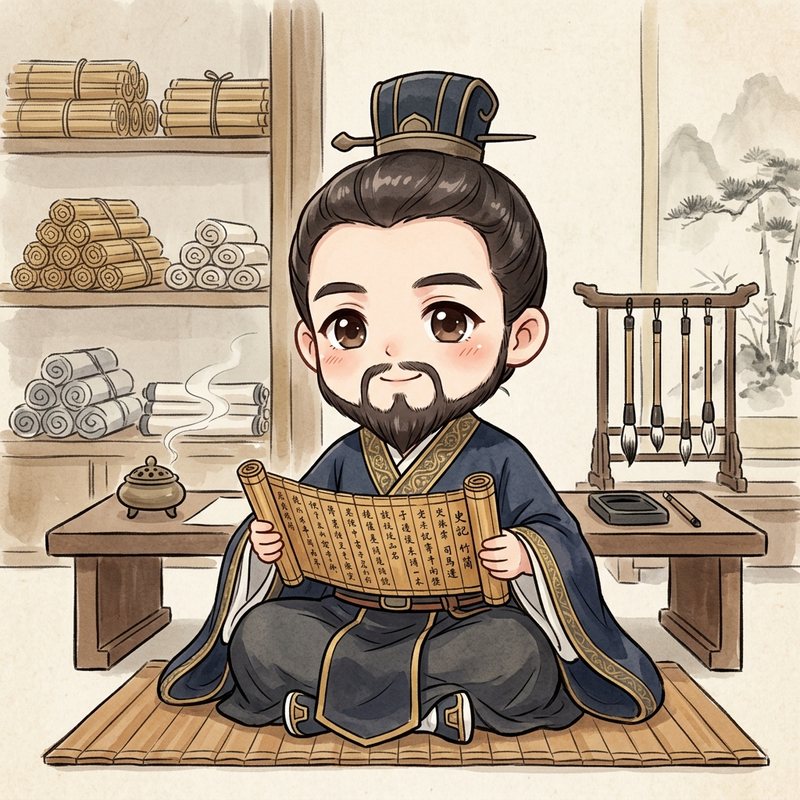
Sima Qian
司马迁
The Grand Historian broke imperial convention to enshrine commoner Confucius within the 'Hereditary Houses' of nobility.
司马迁于《史记》打破帝王世家惯例,特为布衣孔子立《孔子世家》,高山仰止景行行止。
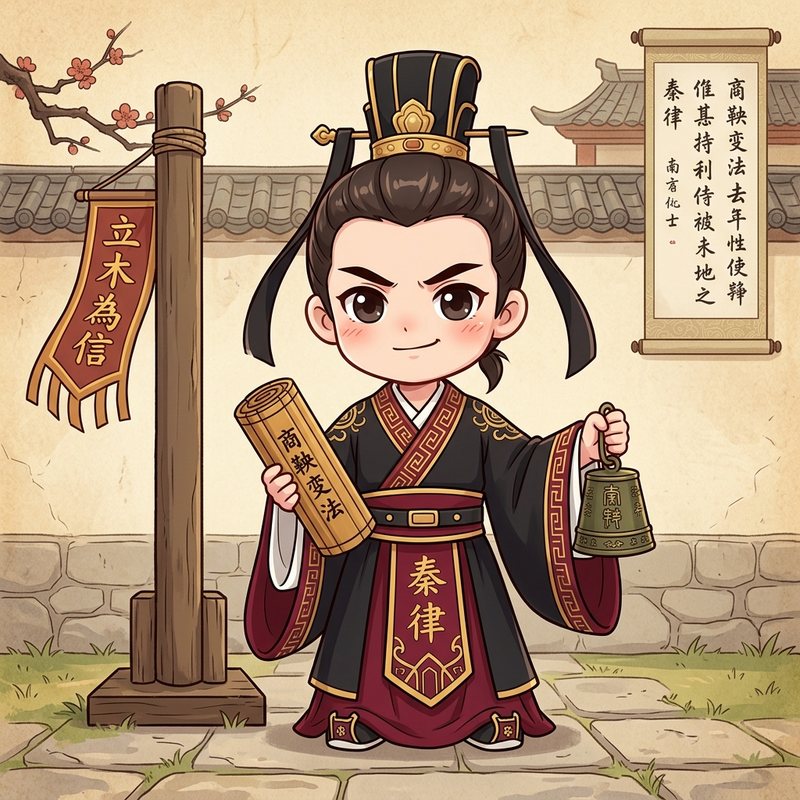
Shang Yang (Lord Shang)
商鞅
Discarded Confucian ritual in favor of total military mobilization and equal rule of law, turning Qin into an unstoppable titan.
彻底摈弃儒家仁政与礼治,立木为信严刑峻法,变法二十年使弱秦崛起为扫六合之超级帝国。
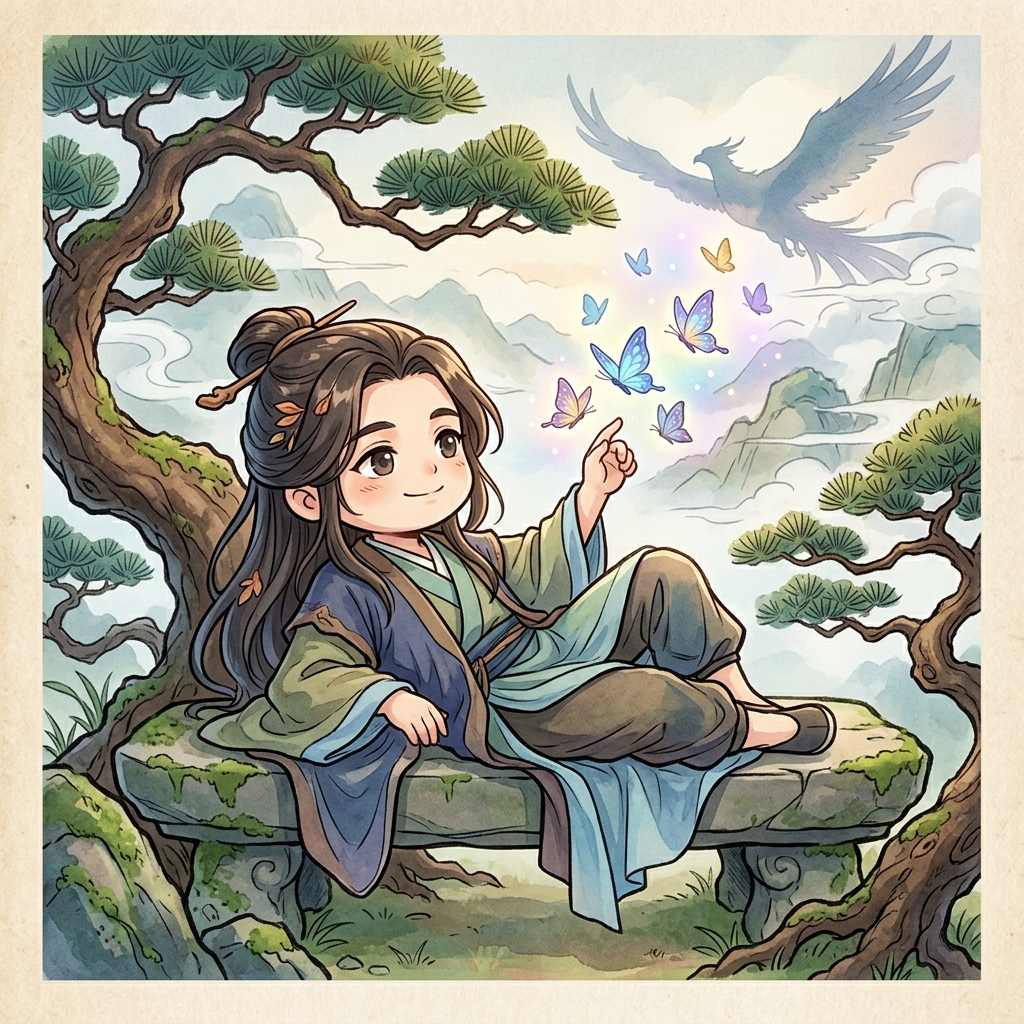
Zhuangzi
庄子
Frequently deployed Confucius as an earnest dramatic persona in his dialogues, dissecting moral rigidity with cosmic laughter.
在《庄子》内篇多次借孔子及其门生对话设喻,既批判礼教束缚,亦借孔子之口抒发生死超脱之真谛。
Key Historical Inquiries & Context
关于 孔子 (Confucius) 的核心史实考证、公案辨析与中英直答
Who was Confucius?
A Spring and Autumn period philosopher and educator whose teachings collected in The Analects (Lunyu) established Confucianism.
What was Confucius's core philosophy?
Ren (benevolence, empathy) and Li (ritual propriety), emphasizing that social harmony springs from personal moral discipline and righteous leadership.
Where did Confucius wander during his 14-year exile?
He traversed multiple states including Lu, Wei, Song, Chen, and Cai seeking a ruler willing to govern by moral virtue rather than brute force, as mapped on this journey.