Who Was Emperor Huizong? Tragic Artist-Emperor of Song
Who Was Emperor Huizong? Tragic Artist-Emperor of Song
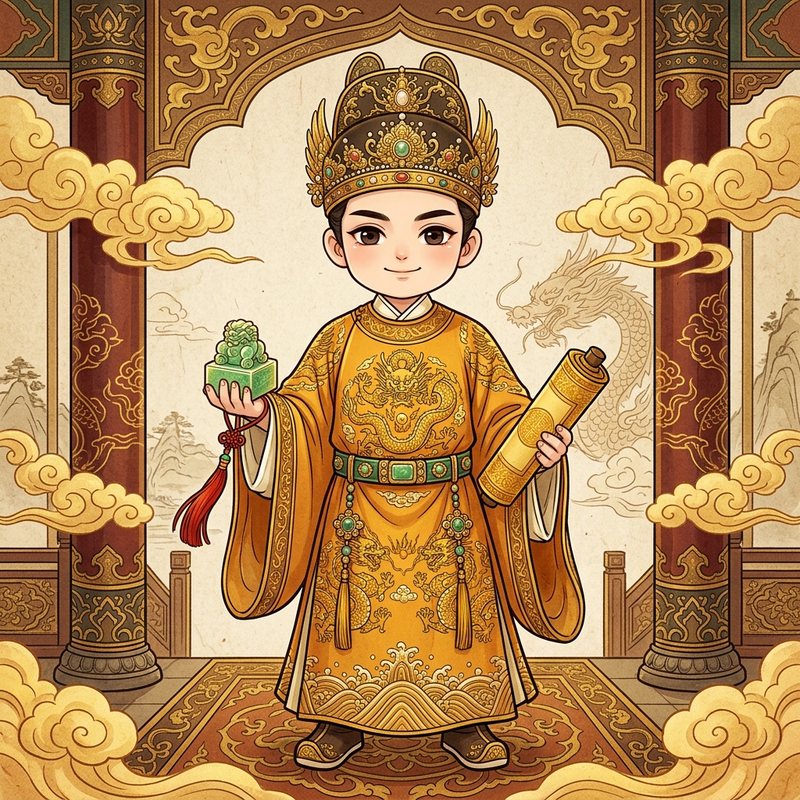
Emperor Huizong of Song (宋徽宗 · Sòng Huīzōng)
讳佶 · 端王 · 宣和教主道君皇帝
The eighth emperor of the Song Dynasty and an unprecedented artistic genius: creator of Slender Gold calligraphy and the Xuanhe Academy, who lost an empire in the Jingkang Incident.
宋代第八位皇帝,千古未有的艺术天才;创瘦金体与宣和画院,集天下珍奇筑艮岳,终酿靖康之变北狩蒙尘。
- The Aesthetic Sovereign: Invented the renowned 'Slender Gold' (Shoujinti) calligraphic script and created the Imperial Academy of Painting with formal examinations.
- Cultural Golden Age: Commissioned landmark catalogues like the Xuanhe Huapu, patronized masters like Wang Ximeng and Zhang Zeduan, and established Ru ware ceramic standards.
- The Gengyue Extravagance: Mobilized vast imperial resources to construct the mystical Gengyue mountain garden in Kaifeng, exhausting state coffers through the Floral Stone Network.
- The Jingkang Catastrophe: Mismanaged foreign diplomacy with the Jurchen Jin, leading to the 1127 sack of Kaifeng, his abduction north, and death in captivity at Wuguocheng.
Phase 1: The Carefree Prince of Duan & The Calligraphic Awakening (1082–1100)
Zhao Ji was born in November 1082 as the eleventh son of Emperor Shenzong. With elder brothers standing in line for succession, young Prince Zhao Ji was never groomed for sovereign statecraft or military command. Instead, his royal household in Bianjing (modern Kaifeng) became an idyllic sanctuary of literature, antique bronzes, exotic bird breeding, and traditional cuju football.
宋神宗元丰五年(1082年)十月,赵佶降生于汴京皇宫。作为神宗第十一子,他自幼远离皇位继承漩涡,从未接受过治国驭臣的严酷训练。年轻的端王将王府营造成诗词丹青与金石雅玩的世外桃源,日日挥毫泼墨、鉴赏古董、弄琴蹴鞠,名动京华。
From early youth, Zhao Ji demonstrated astonishing artistic talent. Unlike ordinary scholar-amateurs, he practiced rigorous realism and botanical observation. It was during these carefree princely years that he formulated his unique sovereign cypher—a four-stroke calligraphic monogram reading 'The One Man Under Heaven' (Tian Xia Yi Ren)—declaring his supreme individuality.
端王时期赵佶便展现出惊人的造型观察力与写实功底。他开创性地设计出流传后世的独特花押‘天下一人’,将‘天、下、一、人’四字一笔贯通,既展现出独步天下的孤傲才情,也成为他日后御笔书画的标志性印鉴。
天下一人
Tiān xià yī rén
The One Man Under Heaven (The sovereign imperial cypher combining four characters into a soaring crest).
Context · Inscribed upon Huizong's authentic paintings and calligraphy scrolls, representing both the supreme ruler of Song China and an unmatched aesthetic prodigy.
Phase 2: Accidental Ascension & The Imperial Painting Academy (1100–1110)
In February 1100, Emperor Zhezong died suddenly at age twenty-four without an heir. While Prime Minister Zhang Dun famously protested that 'Prince Duan is too frivolous to rule the realm,' Empress Dowager Xiang overruled court objections. At age eighteen, Zhao Ji ascended the throne as Emperor Huizong, initiating the 'Jianzhong Jingguo' era with high hopes of reconciling bitter factional strife.
元符三年(1100年),哲宗暴崩无嗣。宰相章惇厉声谏言‘端王轻佻,不可君天下’,但向太后力排众议定策立赵佶。年仅十八岁的赵佶登基即位,是为宋徽宗。初年改元‘建中靖国’,试图消除新旧党争,展现出励精图治的政治朝气。
Yet statecraft soon gave way to his true calling: reforming the empire through art. In 1104, Huizong established formal Painting (Huaxue) and Calligraphy (Shuxue) disciplines within the Imperial Academy, elevating artists to high bureaucratic status. He set palace examination prompts based on poetic riddles—such as 'Returning from trampling flowers, the horse hooves are fragrant'—compelling painters to visualize invisible emotion and metaphor. He personally mentored the eighteen-year-old prodigy Wang Ximeng, who produced the immortal panorama 'A Thousand Li of Rivers and Mountains.'
然而朝堂党争险恶,徽宗很快将精力转向文化建制。1104年他设立画学与书学科举,将画工地位提升至朝廷命官。他以诗句出题考选天下丹青奇才,如‘踏花归去马蹄香’‘野渡无人舟自横’,启发画家以深邃意境传情达意。他更亲手教导十八岁少年王希孟,指点其绘就中国十大传世名画之一的《千里江山图》。
During this golden decade, Huizong perfected his signature 'Slender Gold' script (Shoujinti). Characterized by long, razor-thin strokes, sharp angular hooks, and dramatic flourishes, it was compared by contemporaries to bamboo stalks whipping in the wind or severed gold wire. In 1104, at just twenty-two, he penned the canonical Thousand-Character Classic in Slender Gold, proving himself a calligraphic pioneer.
在此期间,徽宗融会前人笔意独创‘瘦金体’。其笔画劲挺纤细如切玉断金,转折锋芒毕露,飘逸如仙鹤修竹。公元1104年,年仅二十二岁的徽宗亲手写就《楷书千字文》,在华夏书法史上开辟出前无古人的金石风骨。
夫画者,成教化,助人伦,穷神变,测幽微,与六籍同功,四时并运。
Fú huà zhě, chéng jiào huà, zhù rén lún, qióng shén biàn, cè yōu wēi, yǔ liù jí tóng gōng, sì shí bìng yùn.
Painting serves to perfect moral transformation, support human relations, exhaust divine mutations, and probe hidden mysteries—sharing the same merit as the Six Classics.
Context · From Huizong's imperial preface to the 'Xuanhe Huapu' (1120 CE), formalizing visual fine art as a sacred moral and cosmic science for the Song Dynasty.
Phase 3: The Gengyue Wonder, Auspicious Omens, and Imperial Overreach (1111–1124)
On the sixteenth day of the first lunar month in 1112, twenty white cranes appeared in the morning skies above the Xuande Palace Gate in Kaifeng, circling lazily amid iridescent clouds. Thrilled by this celestial confirmation of his heavenly mandate, Huizong painted 'Auspicious Cranes' (Ruihe Tu) and brushed a radiant Slender Gold poem directly onto the silk scroll.
政和二年(1112年)正月十六,汴京宣德门上空祥云涌聚,二十只白鹤在碧空飞鸣盘旋,引得全城百姓驻足仰望。徽宗视之为天降祥瑞,亲作诗画双绝《瑞鹤图》,以瘦金御笔记录下北宋帝国宫廷美学的黄金巅峰瞬间。
Under the influence of grand chancellor Cai Jing, Huizong embraced the Daoist philosophy of 'Supreme Prosperity and Great Joy' (Feng Heng Yu Da), justifying immense imperial spending. He oversaw the construction of the Gengyue Garden—an artificial mountain range filled with rare Taihu limestone boulders, exotic beasts, and flowering trees transported from southern China via the dreaded 'Floral Stone Network' (Huashigang). The immense transport costs impoverished Jiangnan, triggering the violent Fang La Rebellion in 1120.
在权相蔡京‘丰亨豫大’邪说的蛊惑下,徽宗自号‘教主道君皇帝’,大肆营造皇家园林万岁山‘艮岳’。他设‘花石纲’穷搜天下奇石异树,运往开封筑造人工仙山。沉重的徭役与苛敛使得江南民不聊生,终于在1120年引爆了震撼朝野的方腊起义,大宋盛世暗藏杀机。
清晓觚棱拂彩霓,仙禽告瑞忽来仪。飘飘元是三山侣,两两还呈千岁姿。
Qīng xiǎo gū léng fú cǎi ní, xiān qín gào ruì hū lái yí. Piāo piāo yuán shì sān shān lǚ, liǎng liǎng hái chéng qiān suì zī.
At clear dawn palace eaves brush against radiant rainbow mist, as immortal cranes suddenly arrive bearing signs of divine auspiciousness. Floating gracefully, they hail from the three fairy mountains, soaring in pairs to reveal their millennium-old grace.
Context · The imperial Slender Gold poem composed by Huizong on his celebrated masterpiece 'Auspicious Cranes', celebrating cosmological harmony.
Phase 4: Abdication, The Siege of Kaifeng, and Dynastic Fall (1125–1127)
To reclaim the lost Sixteen Prefectures of Yanyun, Huizong forged an 'Alliance on the Sea' with the rising Jurchen Jin Dynasty against the Liao Empire. But when Song armies suffered embarrassing defeats against retreating Liao forces, the Jurchens realized that beneath the glittering surface of Song culture lay military decay. In late 1125, Jurchen cavalry crossed the border in force.
为收复燕云十六州,徽宗贸然订立‘海上之盟’联合女真金国夹击辽国。然而宋军腐朽无能,反被辽军残部屡屡击溃,让金国彻底看破宋王朝的军事虚弱。宣和七年(1125年)冬,女真铁骑越过燕山南下,兵锋直逼黄河。
In sheer panic, Huizong abdicated the throne on January 18, 1126, passing the crown to his eldest son Zhao Huan (Emperor Qinzong). Leaving Kaifeng under siege, Huizong fled south down the Grand Canal to Zhenjiang on the Yangtze River. Believing peace had been secured after paying massive silver indemnities, Huizong returned to Kaifeng in April. But the Jin returned in late 1126, battering Kaifeng's walls. In February 1127, the capital fell in the catastrophic Jingkang Incident.
惊恐万状的徽宗火速下诏禅位给长子赵桓(宋钦宗),自己率随从仓皇南逃至润州(江苏镇江)避难。得知守军初退后,徽宗于1126年4月重返汴京。然而同年冬金军再度合围开封,靖康二年(1127年)二月城破,北宋一百六十七年社稷轰然倾塌,后妃、宗室三千人沦为俘虏。
花城人去今萧索,春梦绕胡沙。家山何处,忍听羌笛,吹彻梅花。
Huā chéng rén qù jīn xiāo suǒ, chūn mèng rào hú shā. Jiā shān hé chù, rěn tīng qiāng dí, chuī chè méi huā.
The city of flowers is deserted now, cold and desolate, while spring dreams wander over barbarian sands. Where is my ancestral home? How can I bear the Nomad flute blowing 'Plum Blossoms Falling' through the freezing night.
Context · From Huizong's heartbroken song lyric 'Yan'er Mei', recollecting the lost splendors of Kaifeng while marching north into captivity.
Phase 5: The Humiliation Rite and Banishment to Wuguocheng (1127–1135)
In April 1127, the captive imperial family was marched north under armed Jurchen guard. Stripped of silk and warmth, they endured sandstorms, hunger, and physical abuse. In August 1128, at the Jin Upper Capital of Huiningfu (modern Harbin, Heilongjiang), Huizong was subjected to the excruciating Sheep-Leading Rite (Qianyang Li): forced to strip naked to the waist, don raw sheepskins, and kneel before the Jin ancestral shrine. The Jin emperor granted him the mocking title 'Duke of Muddle-headed Virtue' (Hundegong).
1127年四月,金军押解徽钦二帝及宗室北狩。1128年八月抵金朝上京会宁府(今黑龙江阿城),金太宗命二帝行奇耻大辱的‘牵羊礼’:赤裸上身披生羊皮,脖系绳索叩拜金人太庙,并降封徽宗为‘昏德公’,极尽精神人格摧残。
In 1130, Huizong was exiled even deeper into the subarctic wilderness of Wuguocheng (modern Yilan, Heilongjiang) along the frozen Songhua River. Confined to damp, freezing earthen dugouts, he watched his empress and children succumb to illness and cold. Stripped of imperial robes, the artist-emperor picked up scrap charcoal to write grief-stricken verses on crumbling mud walls.
1130年,金廷将二帝押往极北苦寒的五国城(今黑龙江依兰)。在阴暗潮湿的地窨土穴中,徽宗目睹亲人相继病死,在长夜寒风中借如豆孤灯于破壁上题写泣血长诗,把一生的痛悔与故国之思倾注笔端。
彻夜西风撼破扉,萧条孤馆一灯微。家山回首三千里,目断天南无雁飞。
Chè yè xī fēng hàn pò fēi, xiāo tiáo gū guǎn yī dēng wēi. Jiā shān huí shǒu sān qiān lǐ, mù duàn tiān nán wú yàn fēi.
All night the west wind batters the broken door; inside the desolate lodge a lone lamp flickers low. Looking back, my ancestral homeland lies three thousand leagues away; gazing toward the southern sky, not even a solitary wild goose flies.
Context · Huizong's heartbreaking poem inscribed on his dugout prison wall in Wuguocheng, Heilongjiang—one of the most poignant elegies in Chinese literature.
On June 4, 1135 (the fourth month of Shaoxing 5), exhausted in mind and body, Zhao Ji passed away in his freezing quarters at Wuguocheng at the age of fifty-three. Years later, under the 1142 Shaoxing Peace Treaty, his remains were returned south to Southern Song and buried in Yongyou Mausoleum in Shaoxing. Historian Tuotuo of the Yuan Dynasty delivered the ultimate verdict: 'Emperor Huizong was proficient in all things, except in being an emperor!'
南宋绍兴五年(1135年)四月,身心俱碎的赵佶病逝于五国城,终年五十三岁。1142年绍兴和议达成后其梓宫南归,安葬于浙江绍兴会稽山永佑陵。元代史官脱脱在《宋史》中留下了千古叹息:‘宋徽宗诸事皆能,独不能为君耳!’
| Perspective 视角 | Emperor Huizong of Song | Emperor Rudolf II of Habsburg |
|---|---|---|
| Aesthetic Connoisseurship | Created the Slender Gold script, revolutionized court painting academies, and patronized Ru ceramics. | Turned Prague Castle into Europe's greatest Kunstkammer, patronizing Arcimboldo, Kepler, and Tycho Brahe. |
| Mystical Obsession | Proclaimed himself Daoist Emperor, seeking cosmic omens and constructing the mystical Gengyue mountain. | Devoted royal treasury to Hermetic alchemy, occult talismans, and astrology over pragmatic military strategy. |
| Administrative Failure | Delegated imperial governance to the corrupt Cai Jing, provoking domestic revolts and alienating reformist officials. | Neglected Catholic-Protestant friction and imperial diets, sparking the Bohemian crisis that led to the Thirty Years' War. |
| Tragic Twilight | Captured in the Jingkang Incident, subjected to the Sheep-Leading humiliation, and died in subarctic exile at Wuguocheng. | Deposed by his brother Matthias, confined to Prague Castle as a virtual prisoner, watching his kingdom slip away. |
Trace Emperor Huizong's Historic Trail on the Interactive Map
Follow his actual historical trail across 10 imperial stations—from youthful princely artistic awakening and the creation of Gengyue Garden in Kaifeng to the southern refuge in Zhenjiang and tragic northern exile in Wuguocheng.
Launch Interactive Journey MapFrequently Asked Questions (FAQ)
What is the Slender Gold script (Shoujinti) invented by Emperor Huizong?
The Slender Gold script is a unique style of regular calligraphy invented by Emperor Huizong. Featuring long, thin, and razor-sharp strokes with angular turns and blade-like finishes, it resembles severed gold wire or bamboo swaying in wind, standing as one of Chinese calligraphy's most iconic original styles.
Why was the Imperial Painting Academy under Huizong so revolutionary?
Huizong transformed palace painting into an imperial examination subject equal to literary civil service. Painters were tested on poetic riddles rather than mere technical imitation, requiring intellectual depth. This innovation nurtured celebrated masters like Wang Ximeng and Zhang Zeduan, elevating Chinese bird-and-flower painting to its historical zenith.
What caused the catastrophic Jingkang Incident of 1127?
Huizong forged an alliance with the Jurchen Jin against the Liao Dynasty, but Song military weakness was exposed during the campaign. Seeing China's vulnerability, the Jin attacked Kaifeng. After a bitter siege in 1127, Jin armies sacked the capital, abducting Huizong, Qinzong, and the entire royal court.
What happened to Emperor Huizong during his captivity at Wuguocheng?
Huizong spent his final years in the subarctic wilderness of Wuguocheng along the frozen Songhua River. Confined to damp, freezing mud dugouts and enduring malnutrition and cold, he watched his family members perish while inscribing heartbreaking poems on the clay walls before dying at age fifty-three.
Why did historians say Huizong 'could do all things except rule'?
In the Official History of Song, historian Tuotuo famously remarked that Huizong excelled at poetry, calligraphy, painting, tea connoisseurship, and music, but completely lacked political foresight and military discipline. His aesthetic indulgences blinded him to foreign threats, directly precipitating the collapse of the Northern Song Dynasty.
Walk with Emperor Huizong of Song Across China
随宋徽宗漫步华夏河山 · 亲历命运逆境与精神涅槃