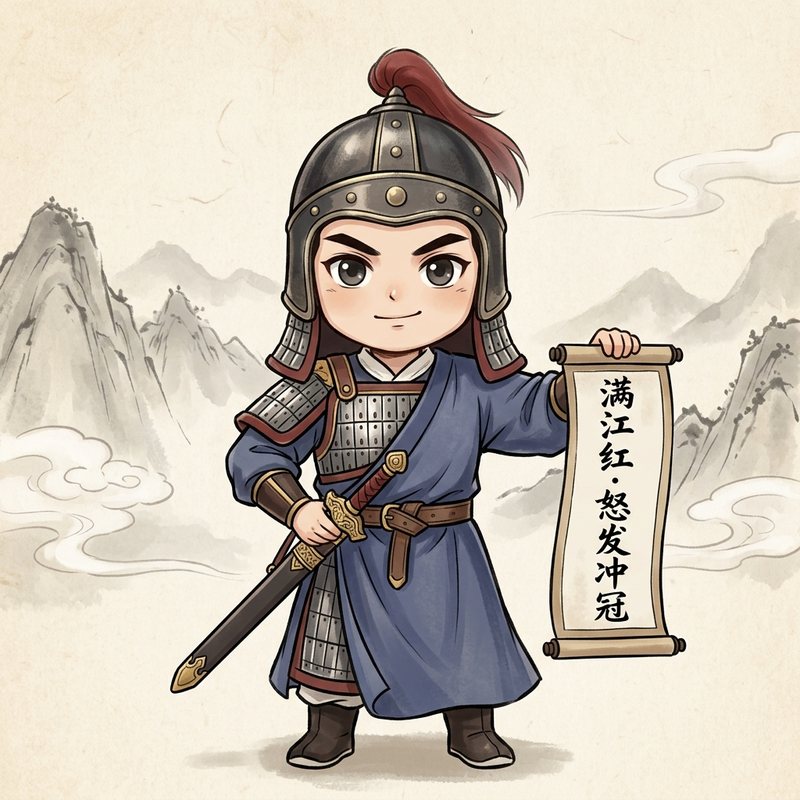
Wen Tianxiang
Song Dynasty(1236–1283)Age 1 · Luling, Jizhou“Top imperial scholar and patriotic Prime Minister who wrote the immortal 'Song of Righteousness' and preserved national dignity.”
The Complete Life Journey & Biography of Wen Tianxiang (Song Patriot) (文天祥)
Chronological travel & exile routes mapped to modern Chinese cities across Song Dynasty China — featuring bilingual scholar audio, classical poetry recitations, and historical cross-paths.
Lin'an Imperial Court (临安及第)
Age 201256 CEModern-day analog: Palace examination grounds and scenic imperial capital near West Lake, modern Hangzhou, Zhejiang
At twenty, he penned a ten-thousand-word policy treatise to win first place as Zhuangyuan, then risked execution demanding the death of corrupt eunuchs.
Within the grand halls of Lin'an, twenty-year-old Wen Tianxiang delivered a blistering ten-thousand-word policy treatise, claiming the supreme Zhuangyuan doctoral crown. Emperor Lizong hailed him as the empire's auspicious blessing. Yet when corrupt eunuchs advocated cowardice before invading armies, Wen immediately demanded their execution, preferring resignation over political compromise.
“This talent is heaven's divine blessing, an auspicious omen sent to preserve the Song!”
此天之祥,乃宋之瑞也!(Cǐ tiān zhī xiáng, nǎi Sòng zhī ruì yě!)Ruizhou Prefecture (江右瑞州)
Age 341270 CEModern-day analog: Historic prefecture along the Jin River in north-central Jiangxi, modern Gao'an
When the autocratic Grand Chancellor demanded groveling submission, Wen chose demotion and built a quiet mountain retreat.
In Ruizhou, Wen Tianxiang proved himself an upright and effective administrator, rectifying injustices and protecting the people. Yet when autocratic Chancellor Jia Sidao demanded sycophancy, Wen stood tall and unyielding. Impeached and dismissed, he retreated to Wenshan, styling himself Master Wenshan and quietly cultivating his inner strength.
“I was by nature a quiet hermit of the green mountains, dabbling only by chance in brush and inkstone.”
本自山林人,偶尔弄笔砚。(Běn zì shānlín rén, ǒu'ěr nòng bǐyàn.)Ganzhou Encampment (赣州起兵)
Age 391275 CEModern-day analog: Confluence bastion of the Zhang and Gong rivers below Yugu Terrace, modern Ganzhou, Jiangxi
He sold his entire family estate to arm thirty thousand volunteers, marching into battle when imperial generals were fleeing.
Beneath Yugu Terrace in Ganzhou, Wen Tianxiang wept over the imperial summons for aid. In the hour of national collapse, he emptied his entire personal estate to fund thirty thousand volunteer troops. Well aware of the overwhelming odds, he marched north to Lin'an, offering his mortal life to stir the conscience of an empire.
“I offer my own body as a sacrifice, hoping that true patriots across the four seas will awaken and rise to the call!”
第以身殉之,庶天下忠臣义士闻风而起!(Dì yǐ shēn xùn zhī, shù tiānxià zhōngchén yìshì wénfēng ér qǐ!)Lin'an & Gaotingshan (皋亭使元)
Age 401276 CEModern-day analog: Gaotingshan battlefield encampment outside the southern capital gates, modern Hangzhou, Zhejiang
Surrounded by drawn blades in the enemy general's tent, the wartime Prime Minister refused to yield an inch of imperial dignity.
In the Mongol encampment at Gaotingshan, surrounded by menacing iron cavalry, other envoys trembled, but newly appointed Prime Minister Wen Tianxiang stood resolute. He castigated the conquerors for breaking treaties and defended the realm's honor without flinching. Awed yet fearful of his spirit, Bayan held him prisoner as the court of Lin'an surrendered.
“A Zhuangyuan Prime Minister of the Song knows only the realm's survival—he knows nothing of personal life or death!”
宋状元宰相,只知有社稷,不知有生死!(Sòng zhuàngyuán zǎixiàng, zhǐ zhī yǒu shèjì, bù zhī yǒu shēngsǐ!)Zhenjiang Fortress (镇江脱险)
Age 401276 CEModern-day analog: Ancient strategic bastion on the southern Yangtze bank beneath Beigu Mountain, modern Zhenjiang, Jiangsu
Slipping his guards in a stormy night, he crossed the Yangtze on a tiny skiff, declaring his heart a compass needle pointing south.
On a tempestuous night in Zhenjiang, with river waves crashing against fortress ramparts, Wen Tianxiang slipped away with twelve companions. Evading relentless enemy manhunts across the Yangtze delta, he made his way to open waters. 'My heart is like a mariner's compass needle, never resting until pointing south,' he vowed, turning perilous escape into a triumph of will.
“My heart is like the needle of a mariner's compass: until it points directly southward, it will never come to rest.”
臣心一片磁针石,不指南方不肯休。(Chén xīn yīpiàn cízhēnshí, bù zhǐ nánfāng bù kěn xiū.)Nanjianzhou Headquarters (南剑开府)
Age 401276 CEModern-day analog: Strategic mountainous confluence of the Min River valley, modern Nanping, Fujian
Deep in the southern mountains, he forged a new liberation army and swept back into Jiangxi, winning back captured cities.
Amid the misty ranges of Nanjianzhou, Wen Tianxiang set up his military headquarters, rallying thousands of loyal fighters to renew the struggle. Rejecting passive maritime retreat, he spearheaded an offensive back into Jiangxi, liberating cities and proving that moral conviction could breathe new life into a collapsing cause.
“Rushing ten thousand leagues through dust and blood, I carry my mortal body as light as a feather in this noble cause.”
驱驰万里路,慷慨一身轻。(Qūchí wànlǐ lù, kāngkǎi yīshēn qīng.)Wupoling Pass (五坡就缚)
Age 421278 CEModern-day analog: Mountain ridge and historical pavilion site in coastal Shanwei, modern Haifeng, Guangdong
Ambushed over a campfire meal in coastal hills, he took poison to deny his captors a prize, surviving only to face a greater trial.
In the rugged coastal hills of Wupoling, camp cooking fires were shattered by a surprise cavalry charge. Cornered and taking poison in vain, Wen Tianxiang found himself bound in enemy chains. Yet as cold iron pressed against his wrists, his eyes flashed with resolve, stepping forward into the greatest moral trial of his life.
“From this day forward I bid farewell to my beloved southland; let my spirit become a cuckoo singing with blood upon its tongue.”
从今别却江南路,化作啼鹃带血吟。(Cóng jīn bié què Jiāngnán lù, huà zuò tíjuān dài xuè yín.)Lingdingyang Estuary (零丁长歌)
Age 431279 CEModern-day analog: Pearl River estuary maritime waters near modern Zhuhai and Macau, site of the Yamen naval finale
Watching his empire drown in the surf of Yamen, he handed his captors not a surrender letter, but the most defiant couplet in history.
Amid the surging waters of Lingdingyang, surrounded by an overwhelming enemy fleet, chained Wen Tianxiang dipped his brush and composed 'Passing the Lingding Ocean.' 'All humans throughout history face mortality; let my crimson heart illuminate the green bamboo annals forever!' The fourteen characters silenced the conquerors. As the Battle of Yamen sent the dynasty into the sea, Wen's unyielding spirit became the eternal beacon of his culture.
“All humans throughout history face inescapable mortality; let my loyal crimson heart illuminate the green bamboo annals of history forever.”
人生自古谁无死?留取丹心照汗青。(Rénshēng zìgǔ shuí wú sǐ? Liú qǔ dānxīn zhào hànqīng.)Dadu & Chaishi Execution Ground (大都正气)
Age 471283 CEModern-day analog: Bingmasi dungeon cell and historic Chaishi execution site in central Beijing, modern Dongcheng District
In a lightless cell, he wrote the 'Song of Righteousness', spurned Kublai Khan's prime ministership, and calmly faced the axe.
In the dank subterranean prison of Dadu, Wen Tianxiang endured three years and two months of darkness and pestilence, writing the magnificent 'Song of Righteousness.' When Kublai Khan personally offered him the grand chancellorship, Wen bowed and asked only for death. At the Chaishi execution ground, he turned toward the south, bowed in reverence, and laid his head upon the block. With the words 'From now on, I have no shame' sewn in his belt, he fulfilled the highest ideal of moral righteousness.
“In heaven and earth there exists a righteous spirit, taking diverse shapes and infusing all forms: below, it becomes the rivers and sacred mountains; above, the sun and the stars.”
天地有正气,杂然赋流形。下则为河岳,上则为日星。(Tiāndì yǒu zhèngqì, zárán fù liúxíng. Xià zé wéi héyuè, shàng zé wéi rìxīng.)
Literati Knowledge Vault · 先贤知识宝库
In-Depth Essays & Philosophical Inquiries on Wen Tianxiang
Deep dives, myth-busting, and modern psychological lessons from Wen Tianxiang's life and philosophy.
暂无已发布的深度专栏文章。
Historical Nexus & Intersecting Journeys
与 文天祥 (Wen Tianxiang) 时空交汇、思想交锋或命运相连的华夏先贤网络
Historical Nexus & Intersecting Journeys
与 文天祥 时空交汇、思想交锋或命运相连的华夏先贤网络
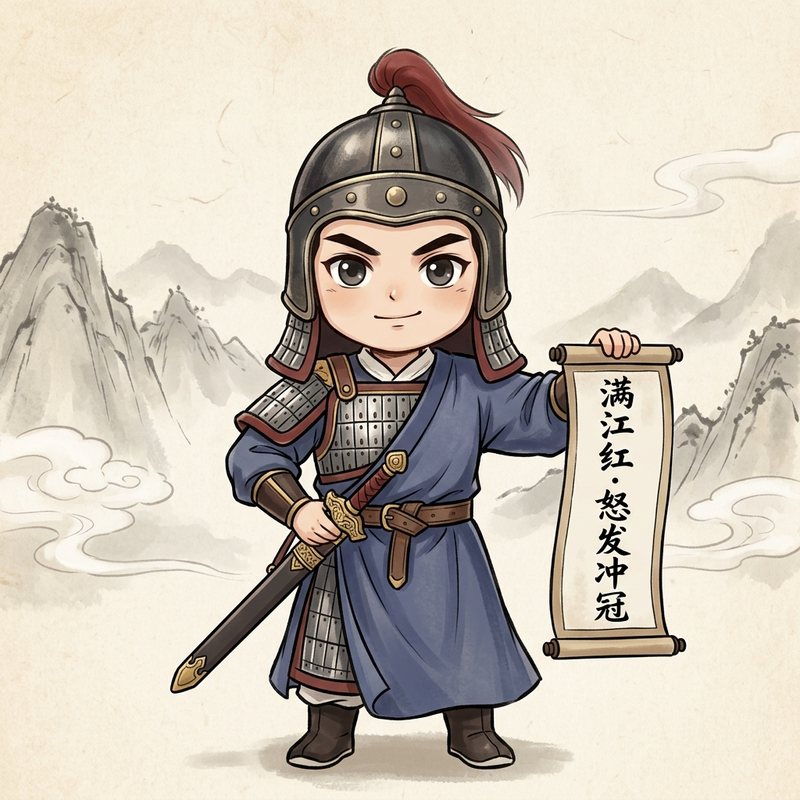
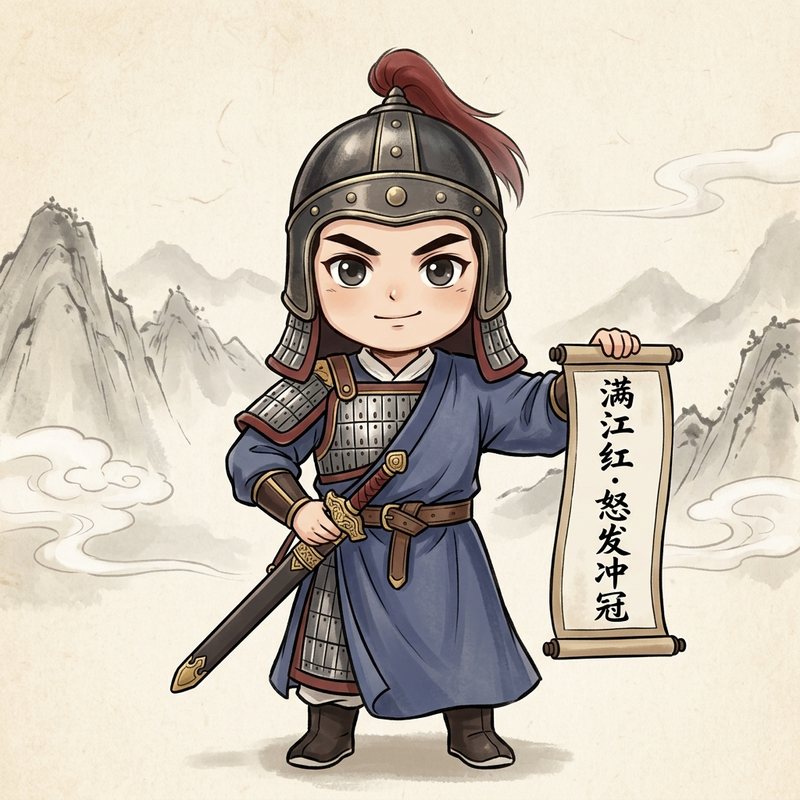
Key Historical Inquiries & Context
关于 文天祥 (Wen Tianxiang) 的核心史实考证、公案辨析与中英直答
Who was Wen Tianxiang (文天祥)?
Wen Tianxiang (1236–1283), styled Songrui and Lüshan, master name Wenshan, was a supreme statesman, military commander, and patriotic poet of the Southern Song Dynasty. Ranking first (Zhuangyuan) in the 1256 imperial examinations, he spent his personal fortune to raise a volunteer army against the Mongol invasion in 1275. Appointed Right Grand Chancellor, he fearlessly confronted the invaders, survived daring escapes, and led guerrilla resistance in southern provinces. Captured at Wupoling in 1278, he refused to surrender aboard warships during the Battle of Yamen, writing 'Passing the Lingding Ocean.' Imprisoned in a subterranean cell in Dadu for over three years, he steadfastly spurned Kublai Khan's personal entreaties to become Prime Minister, writing the immortal 'Song of Righteousness' before facing execution with serene dignity.
What was Wen Tianxiang's primary cultural and historical legacy?
Wen Tianxiang is celebrated across world history as a pioneer of The Unbroken Patriot of Lingdingyang, The Stoic Martyr of Moral Conscience, The Compass of Southern Loyalty, leaving enduring philosophical insights, literature, and art.
Where does Wen Tianxiang's historical life journey map lead?
This interactive GIS map retraces 10 chronological stops across Song Dynasty China, originating from Luling, Jizhou and spanning through Dadu & Chaishi Execution Ground.