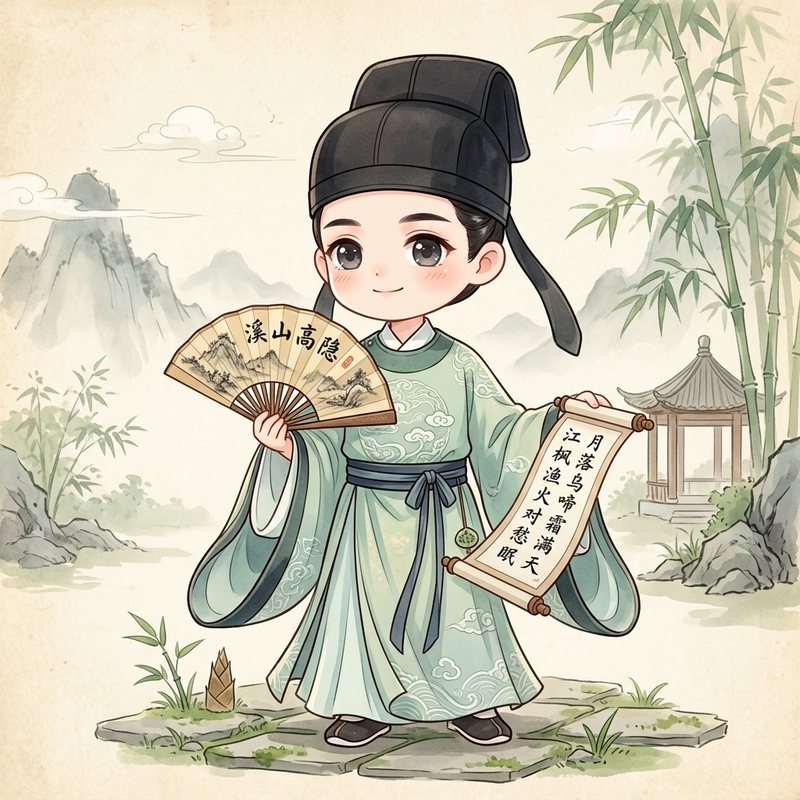
Ouyang Xiu
Northern Song Dynasty(1007–1072)Age 4 · Suizhou“Father of the Classical Prose Movement, the beloved sage of Drunkard's Pavilion who nurtured a golden generation.”
The Complete Life Journey & Biography of Ouyang Xiu (Song Master) (欧阳修)
Chronological travel & exile routes mapped to modern Chinese cities across Northern Song Dynasty China — featuring bilingual scholar audio, classical poetry recitations, and historical cross-paths.
Western Capital Luoyang (洛阳交游)
Age 251031 CEModern-day analog: Modern Luoyang, Henan
The brilliant young prodigy igniting the Song classical prose revolution in Luoyang.
Peonies bloomed in riotous crimson across Luoyang. In his twenties, Ouyang Xiu was living the golden springtime of his youth. Allied with fellow prodigies Yin Zhu and Mei Yaochen, he explored imperial ruins and debated literature over wine. Scorning empty ornate rhetoric, they wrote with clarity, rhythm, and moral purpose. This wasn't merely youthful revelry; it was the spark of the Song Classical Prose Movement that would permanently transform Chinese thought.
“This year the blossoms surpass the red of years gone by; alas, next year they will bloom even brighter—who will be by my side to see them?”
今年花胜去年红。可惜明年花更好,知与谁同?(Jīn nián huā shèng qù nián hóng. Kě xī míng nián huā gèng hǎo, zhī yǔ shuí tóng?)Kaifeng Imperial Court (汴京血书)
Age 301036 CEModern-day analog: Imperial Capital Kaifeng
Publishing the fiercest open letter in Chinese history, declaring a corrupt censor 'utterly shameless'.
Storm clouds hung heavy over Kaifeng. When reform champion Fan Zhongyan was exiled, hundreds of officials hung their heads in terrified silence. Chief Censor Gao Ruone cowardly piled on accusations. 30-year-old junior scholar Ouyang Xiu could not stomach the cowardice. Beneath a flickering lamp, he penned the legendary 'Letter to Censor Gao': 'Acting thus, you prove you do not even know that shame exists among humans!' The blast shattered court pretenses. An imperial decree instantly banished him to remote Yiling, but he boarded the exile boat with head held high.
“To act as you have done is to prove that you know not even that shame exists in the human world!”
足下如此,可谓不知人间有羞耻事尔!(Zú xià rú cǐ, kě wèi bù zhī rén jiān yǒu xiū chǐ shì ěr!)Chuzhou Old Drunkard Pavilion (滁州醉翁)
Age 391045 CEModern-day analog: Modern Chuzhou, Anhui
The Old Drunkard's heart lies not in the wine, but in the beauty of rivers and mountains.
Fresh spring waters bubbled down Mount Langya. At thirty-nine, battered by political purges, Ouyang Xiu arrived in Chuzhou. Refusing to succumb to bitterness, he cut red tape and eased taxes. In his spare time, he hiked into the bamboo forests with monks and commoners. Building the Pavilion of the Old Drunkard, he wrote his immortal prose: 'The Old Drunkard's heart lies not in the wine, but in the mountains and waters.' Commoners thought the governor was simply intoxicated, but Ouyang Xiu knew that sharing simple joy with the common people was the highest, purest form of wisdom.
“The Old Drunkard's heart lies not in the wine, but in the mountains and waters. The joy of mountains and waters is captured in the soul and given expression through wine.”
醉翁之意不在酒,在乎山水之间也。山水之乐,得之心而寓之酒也。(Zuì wēng zhī yì bù zài jiǔ, zài hū shān shuǐ zhī jiān yě. Shān shuǐ zhī lè, dé zhī xīn ér yù zhī jiǔ yě.)Kaifeng Imperial Examination (嘉祐龙虎榜)
Age 511057 CEModern-day analog: Imperial Examination Hall, Kaifeng
The greatest chief examiner in Chinese history, single-handedly discovering Su Shi and his entire generation.
Candles burned through the night at the Ministry of Rites. 51-year-old Chief Examiner Ouyang Xiu risked his entire career on a cultural revolution. He decreed that every candidate writing pretentious, jargon-heavy essays be ruthlessly failed. Mobbed and threatened in the streets, he stood unshaken. Reading an anonymous exam paper, he encountered the luminous prose of 20-year-old Su Shi. Sweating with pure delight, he told Mei Yaochen: 'This old man must yield the road and let him soar a head above us all!' That single examination roster gave China Su Shi, Su Zhe, Zeng Gong, and Cheng Hao. One man's generosity midwifed an entire golden civilization.
“Reading Su Shi's work, cold sweat breaks out on my brow; what joy, what absolute joy! This old man must step aside and let him surpass me by a head!”
读轼书,不觉汗出,快哉快哉!老夫当避路,放他出一头地也!(Dú Shì shū, bù jué hàn chū, kuài zāi kuài zāi! Lǎo fū dāng bì lù, fàng tā chū yī tóu dì yě!)Yingzhou West Lake (颍州退隐)
Age 651071 CEModern-day analog: Modern Fuyang, Anhui
The Hermit of Six Ones sailing on West Lake, finding serene perfection in his twilight.
Lotuses bloomed in quiet serenity across the West Lake of Yingzhou. 65-year-old Ouyang Xiu discarded imperial silks to become 'The Hermit of Six Ones': ten thousand scrolls of books, a thousand bronze rubbings, a zither, a chessboard, a flask of wine, and one contented old man. Drifting across the lake, the breeze gently stirred his white beard. There was no regret—only the profound peace of a mentor whose students had outshone the stars. In 1072, Ouyang Xiu passed away peacefully, leaving behind a civilization that would forever burn with his light.
“In my home I have ten thousand scrolls of books, one thousand ancient rubbings, one zither, one chessboard, and one pot of wine... An old man aging peacefully among these five—is that not Six Ones?”
吾家藏书一万卷,集录三代以来金石遗文一千卷,有琴一张,有棋一局,而常置酒一壶……客曰:‘是为五一尔,奈何?’居士曰:‘以吾一翁,老于此五物之间,是岂不为六一乎?’(Wú jiā cáng shū yī wàn juàn, jí lù sān dài yǐ lái jīn shí yí wén yī qiān juàn, yǒu qín yī zhāng, yǒu qí yī jú, ér cháng zhì jiǔ yī hú...)
Literati Knowledge Vault · 先贤知识宝库
In-Depth Essays & Philosophical Inquiries on Ouyang Xiu
Deep dives, myth-busting, and modern psychological lessons from Ouyang Xiu's life and philosophy.
暂无已发布的深度专栏文章。
Historical Nexus & Intersecting Journeys
与 欧阳修 (Ouyang Xiu) 时空交汇、思想交锋或命运相连的华夏先贤网络
Historical Nexus & Intersecting Journeys
与 欧阳修 时空交汇、思想交锋或命运相连的华夏先贤网络
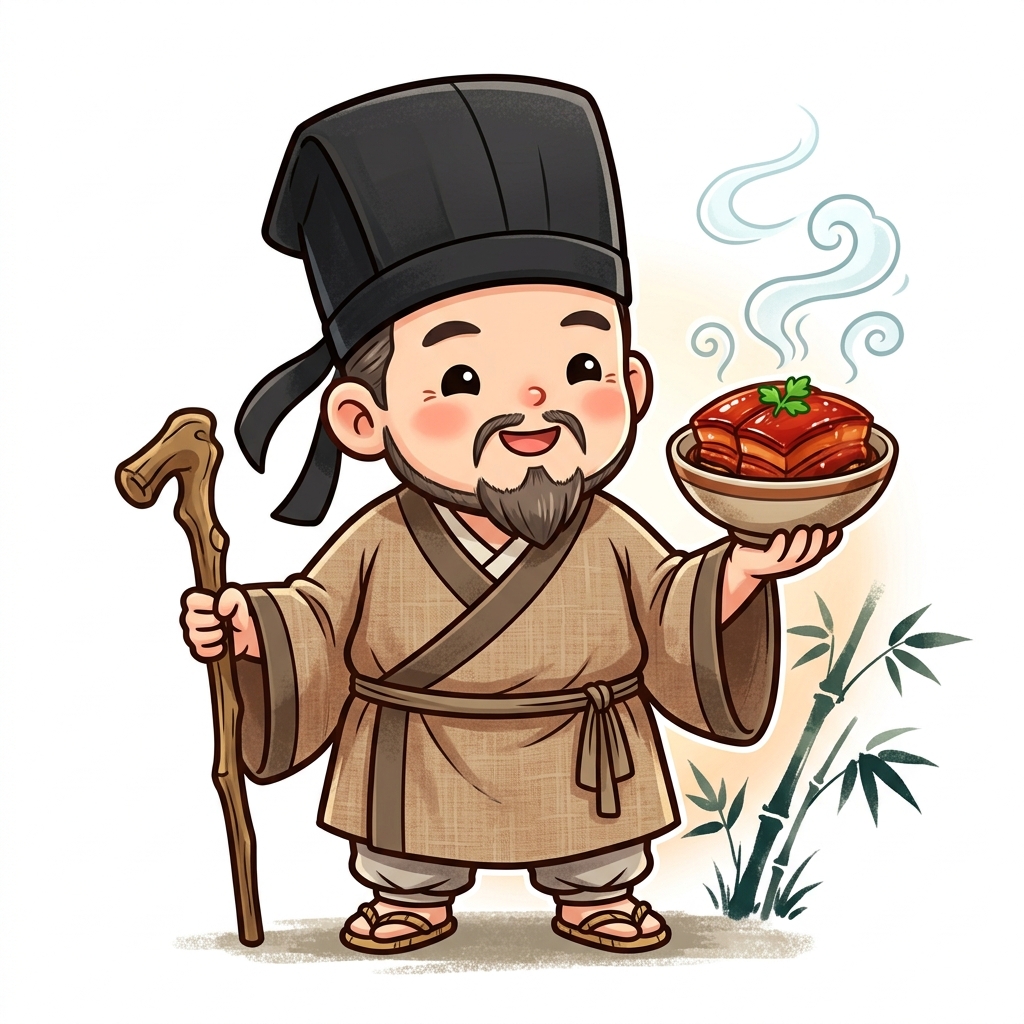
Su Shi (Dongpo)
苏轼 (东坡)
Presided over the legendary 1057 exams, discovering Su Shi and inaugurating Northern Song's cultural golden age.
1057年礼部会试主考,力排众议拔擢苏轼、苏辙,开启北宋古文极盛之世。
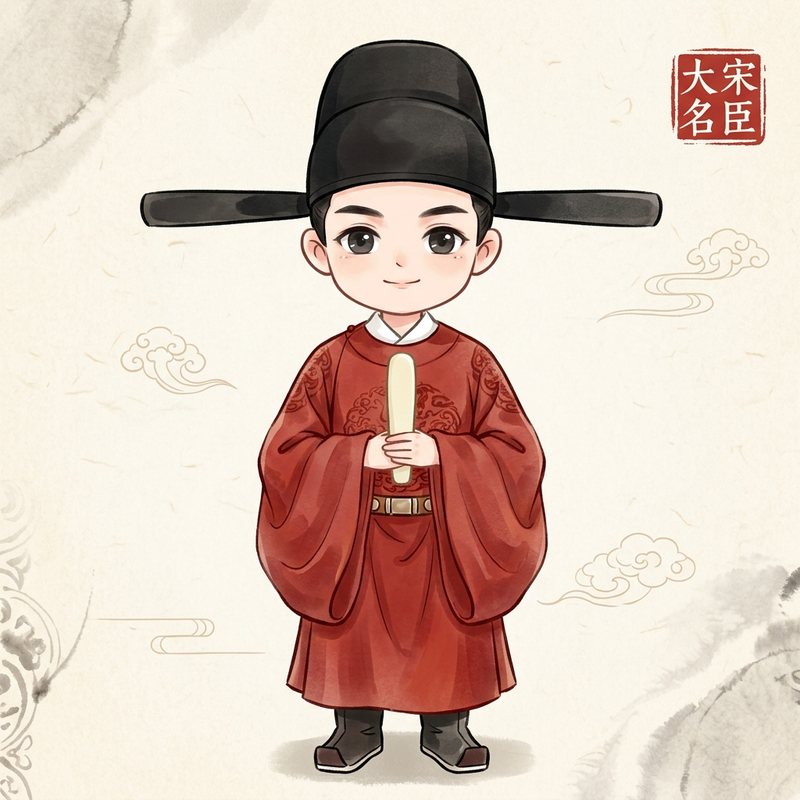
Fan Zhongyan
范仲淹
Fought alongside Fan in the Qingli reforms; wrote 'On Factions' defending upright scholar-officials when Fan was exiled.
庆历新政同袍,范仲淹贬谪时欧阳修挺身上疏论救,作《朋党论》明君子之志。
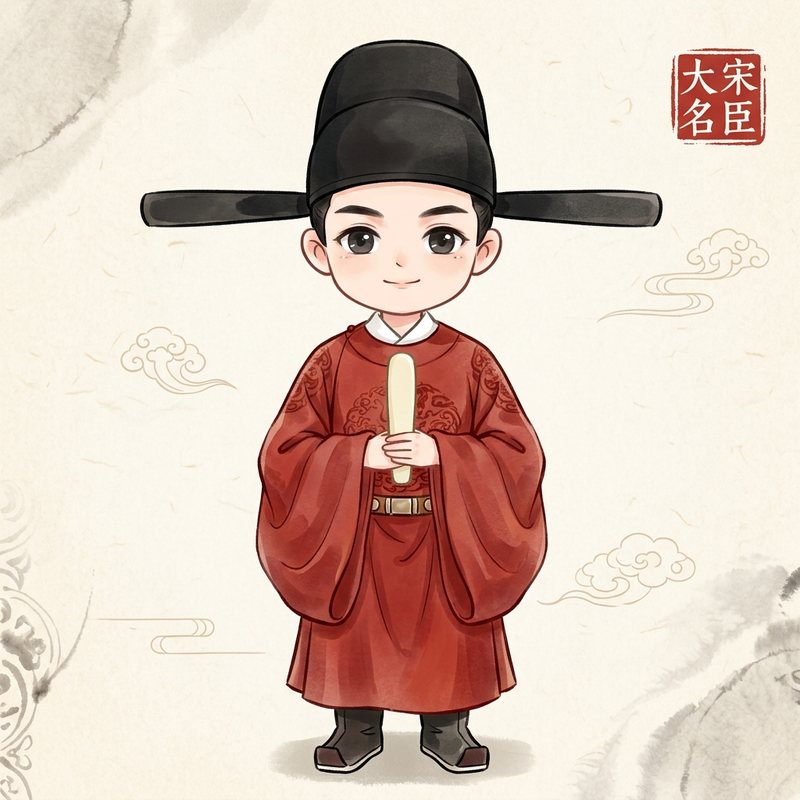
Wang Anshi
王安石
Recognized Wang's profound legal and administrative talents, placing him in pivotal imperial academies.
极其看重王安石治国经世之才,屡次推荐其任馆职要津。
Bao Zheng
包拯
Served simultaneously in Renzong's court, embodying the supreme moral conscience and judicial integrity of the era.
仁宗朝同列朝堂,欧阳修刚正明达,包拯刚正不阿,同为北宋士大夫风骨楷模。
Liu Yong
柳永
Key Historical Inquiries & Context
关于 欧阳修 (Ouyang Xiu) 的核心史实考证、公案辨析与中英直答
Who was Ouyang Xiu (欧阳修)?
Ouyang Xiu was a towering statesman, historian, and the supreme literary patriarch of the Song dynasty. Raised in extreme poverty, he broke through imperial examinations and became a fierce critic of corruption. Exiled after political purges, he penned 'The Old Drunkard's Pavilion' in Chuzhou, celebrating serenity and shared human joy. In 1057, as chief examiner, he revolutionised imperial literary standards and discovered Su Shi, Su Zhe, and Zeng Gong, fathering China's cultural golden age.
What was Ouyang Xiu's primary cultural and historical legacy?
Ouyang Xiu is celebrated across world history as a pioneer of The Master Mentor of Song, The Father of Classical Prose, The Joyful Sage of Drunkard's Pavilion, leaving enduring philosophical insights, literature, and art.
Where does Ouyang Xiu's historical life journey map lead?
This interactive GIS map retraces 6 chronological stops across Northern Song Dynasty China, originating from Suizhou and spanning through Yingzhou West Lake.