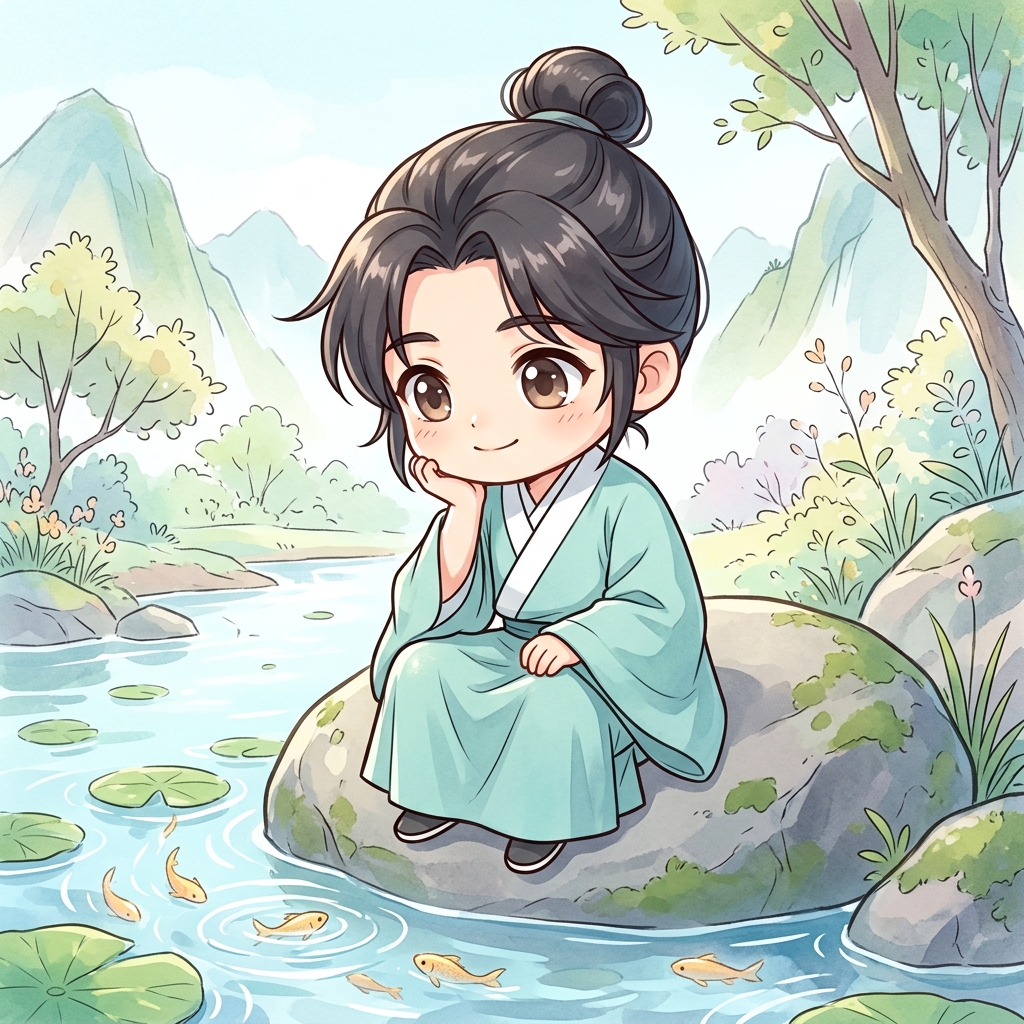
Laozi
Spring and Autumn (c. 571 - 471 BCE)Age 20 · Luyi, Henan (Birthplace & Contemplating the Primordial)“Authored the 5,000 words of the Dao De Jing, teaching humanity the supreme strength of water, stillness, and effortless action.”
The Complete Life Journey & Biography of Laozi (Lao Tzu) (老子)
Chronological travel & exile routes mapped to modern Chinese cities across Spring and Autumn (c. 571 - 471 BCE) China — featuring bilingual scholar audio, classical poetry recitations, and historical cross-paths.
Eastern Zhou Capital Luoyang (Entering the Imperial Court) (河南洛阳 (入东周洛邑求索三代礼乐源流))
Age 26545 BCEModern-day analog: Imperial Capital of Eastern Zhou, modern Luoyang, Henan
To the Heart of Ancient Civilization: Seeking the Roots of Order
In the ceremonial heart of Luoyang amidst bronze bells and stone palaces, Laozi immersed himself in archaic astronomical canons and lineage annals. He recognized that the greatest oaks spring from slender shoots, and a thousand miles begins with a single step.
“A journey of a thousand miles begins beneath one's feet. A tree of great girth springs from a tiny shoot.”
千里之行,始于足下。合抱之木,生于毫末。(Qiān lǐ zhī xíng, shǐ yú zú xià. Hé bào zhī mù, shēng yú háo mò.)Zhou Royal Archives (Chief Librarian of Ancient China) (河南洛阳 (任东周守藏室之史博通古今))
Age 36535 BCEModern-day analog: Grand Royal Archives of Ancient China, Central Luoyang
Keeper of the Empire's Memory: The Grand Philosopher-Librarian
As Chief Royal Archivist in his thirties, Laozi guarded imperial scrolls and bronze records. Reading centuries of dynastic glory and ruin, he distilled eternal dialectics: 'Disaster is what good fortune leans on; good fortune is what disaster conceals within.'
“Great skill seems clumsy; great eloquence seems awkward. The greatest music has the faintest sound; the greatest image has no fixed form.”
大巧若拙,大辩若讷。大音希声,大象无形。(Dà qiǎo ruò zhuō, dà biàn ruò nè. Dà yīn xī shēng, dà xiàng wú xíng.)In-Depth Inquiries at this Stop:Luoyang Cultural Summit (Confucius Inquires of the Rites) (河南洛阳东关 (孔子入周问礼叹老子其犹龙邪))
Age 53518 BCEModern-day analog: Historic Encounter of China's Two Greatest Minds, Luoyang
When the Dragon Met the Master: The Summit of Chinese Civilization
When Confucius sought his counsel on rites, Laozi advised shedding pride and worldly ambitions. Dazzled, Confucius told his followers: 'Birds fly, fish swim, but the dragon ascends to heaven upon clouds. Today I met Laozi, and he is verily like the dragon!'
“A great merchant hides his wealth and appears destitute; a gentleman of supreme virtue appears unassuming and simple. Today I met Laozi—he is truly like a dragon!”
良贾深藏若虚,君子盛德,容貌若愚。吾今日见老子,其犹龙邪!(Liáng gǔ shēn cáng ruò xū, jūn zǐ shèng dé, róng mào ruò yú. Wú jīn rì jiàn Lǎo zǐ, qí yóu lóng yé!)Luoyang Royal War (The Prince Chao Rebellion & Retreat) (河南洛阳 (周景王崩王室血腥内乱辞官归隐))
Age 55516 BCEModern-day analog: Civil War Ruin of Imperial Zhou, Luoyang
Seeing Through the Carnage of Power: The Decision to Walk Away
Witnessing civil strife and the loss of royal archives, Laozi recognized the fatal poison of power. Seeing the irreversible decline of Zhou, he practiced 'retire when your merit is accomplished,' mounting a green ox to depart westward into solitude.
“Weapons are instruments of ill omen, not tools for the gentleman. If forced to use them, calm detachment is best.”
兵者不祥之器,非君子之器,不得已而用之,恬淡为上。(Bīng zhě bù xiáng zhī qì, fēi jūn zǐ zhī qì, bù dé yǐ ér yòng zhī, tián dàn wéi shàng.)Hangu Pass (Purple Clouds and the 5,000 Sacred Words) (河南灵宝 (紫气东来函谷关著道德经五千言))
Age 80491 BCEModern-day analog: Ancient Strategic Gateway to the West, Lingbao, Sanmenxia, Henan
The Guard at the End of the World Who Saved the Wisdom of China
Warden Yin Xi bowed with deepest reverence, imploring the sage to write down his wisdom before departing. There Laozi composed the immortal five thousand words of the Dao De Jing: 'The Dao that can be told is not the eternal Dao... The highest good is like water, benefiting all without contending.'
“The Way that can be spoken is not the eternal Way; the name that can be named is not the eternal name. The highest good is like water: water benefits all things without competing, settling in places all despise; therefore it is near to the Way.”
道可道,非常道;名可名,非常名。上善若水。水善利万物而不争,处众人之所恶,故几于道。(Dào kě dào, fēi cháng dào; míng kě míng, fēi cháng míng. Shàng shàn ruò shuǐ. Shuǐ shàn lì wàn wù ér bù zhēng, chù zhòng rén zhī suǒ wù, gù jǐ yú dào.)In-Depth Inquiries at this Stop:Louguan Terrace, Mount Zhongnan (Lecturing on the Way of Nature) (陕西周至 (终南山楼观台结草为楼讲道说法))
Age 86485 BCEModern-day analog: Cradle of Daoist Hermit Sanctuaries, Zhouzhi, Xi'an, Shaanxi
Teaching Effortless Action (Wu Wei) beneath Ancient Pines
At Louguan Terrace beneath Mount Zhongnan, Laozi taught disciples the art of attaining supreme emptiness and guarding profound stillness. Here he expounded how gentleness overcomes rigidity, establishing a philosophical fountainhead that would nurture Chinese civilization forever.
“Because one does not contend, no one in the world can contend with them. Knowing the masculine, preserve the feminine, and be the valley for the world.”
夫唯不争,故天下莫能与之争。知其雄,守其雌,为天下溪。(Fū wéi bù zhēng, gù tiān xià mò néng yǔ zhī zhēng. Zhī qí xióng, shǒu qí cí, wéi tiān xià xī.)Baoji Dasan Pass & Beyond (Dissolving into the Cosmos) (陕西宝鸡/陇西流沙 (西出散关莫知其所终大化同体))
Age 100471 BCEModern-day analog: Western Frontier of Classical Antiquity, Dasan Pass, Baoji, Shaanxi
No Grave, No Vanity: Melting into the Eternal Flow of Existence
Sima Qian recorded: 'Laozi went beyond the pass, and none know where his life ended.' Leaving no monuments or worldly claims, he merged wholly with nature's breath. 'Heaven is long and Earth enduring, because they do not live for themselves.' His Way remains unbound and eternal.
“The Way gives birth to One; One gives birth to Two; Two gives birth to Three; Three gives birth to all things. All things shoulder Yin and embrace Yang, blending energy to achieve harmony.”
道生一,一生二,二生三,三生万物。万物负阴而抱阳,冲气以为和。(Dào shēng yī, yī shēng èr, èr shēng sān, sān shēng wàn wù. Wàn wù fù yīn ér bào yáng, chōng qì yǐ wéi hé.)
Literati Knowledge Vault · 先贤知识宝库
In-Depth Essays & Philosophical Inquiries on Laozi
Deep dives, myth-busting, and modern psychological lessons from Laozi's life and philosophy.
Water & Emptiness: 8 Wisdom Lessons from Dao De Jing
Explore fundamental teachings from Laozi's Dao De Jing on Wu Wei, the yielding strength of water, simplicity, and finding calm amidst worldly chaos.
Who Was Laozi? The Mind Behind Dao De Jing
Who was Laozi? Discover the Eastern Zhou royal archivist behind the Dao De Jing, his legendary meeting with Confucius, and the timeless art of Wu Wei.
Historical Nexus & Intersecting Journeys
与 老子 (Laozi) 时空交汇、思想交锋或命运相连的华夏先贤网络
Historical Nexus & Intersecting Journeys
与 老子 时空交汇、思想交锋或命运相连的华夏先贤网络

Mozi (Mo Di)
墨子
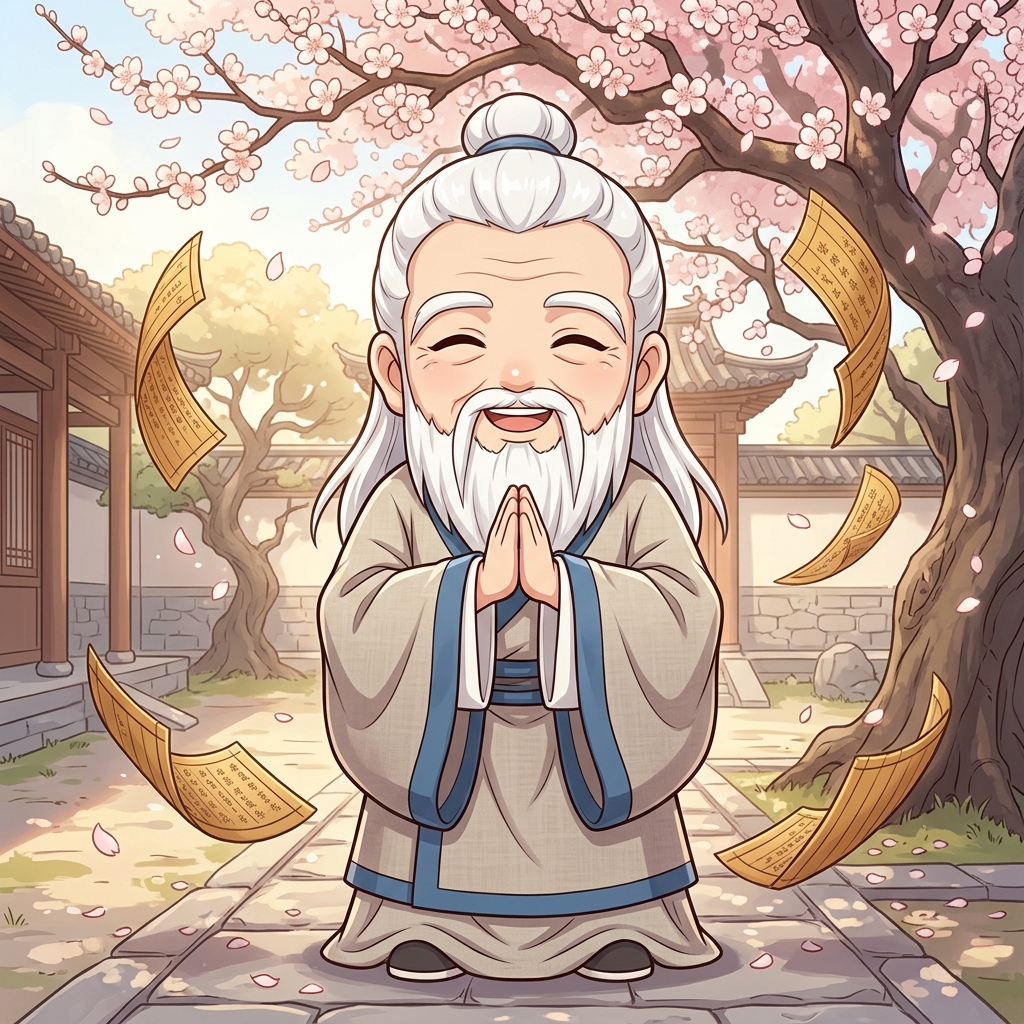
Confucius
孔子
When Confucius visited Zhou to study rites, Laozi urged him to abandon pride. Confucius returned in awe: 'Today I have seen the Dragon!'
孔子适周向老子问礼,老子告诫其去骄气与多欲。孔子归告弟子:'鸟吾知其能飞,鱼吾知其能游,至于龙,吾不知其乘风云上天。吾今日见老子,其犹龙邪!'
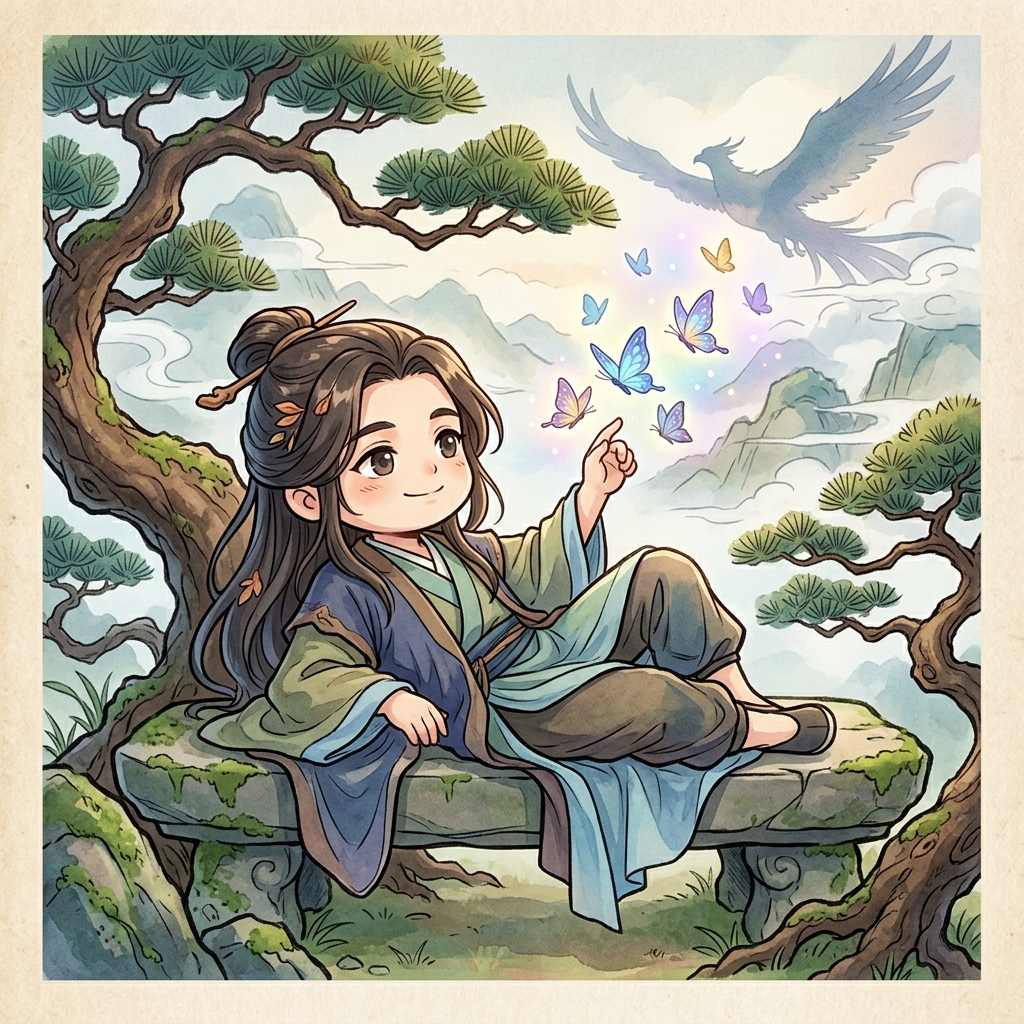
Zhuangzi
庄子
Inherited Laozi's nameless Dao and effortless action (Wu-wei), elevating it into transcendent freedom and cosmic wonder.
庄子承老子自然无为与道法自然之说,引申为齐物论与逍遥游,筑就道家双峰大厦。
Key Historical Inquiries & Context
关于 老子 (Laozi) 的核心史实考证、公案辨析与中英直答
Who was Laozi / Lao Tzu?
The foundational sage of Taoism and composer of the 5,000-character Daodejing, revered across millennia for philosophy on cosmic harmony.
What is Wu-Wei in Laozi's philosophy?
Wu-Wei translates to 'effortless action' or non-interference—acting in effortless alignment with natural reality rather than forcing rigid human control.
Where was Laozi's final departure?
According to Sima Qian, Laozi rode a blue ox westward through Hangu Pass, penned the Daodejing for the pass keeper Yin Xi, and ventured into the western frontier.