
Guan Yu
Three Kingdoms (160 - 220 CE)Age 20 · Xiezhou, Yuncheng (Salt Lake Fugitive of Righteousness)“Deified for peerless martial courage, unbreakable brotherhood, and refusing imperial riches to walk a thousand miles for honor.”
The Complete Life Journey & Biography of Guan Yu (Three Kingdoms) (关羽)
Chronological travel & exile routes mapped to modern Chinese cities across Three Kingdoms (160 - 220 CE) China — featuring bilingual scholar audio, classical poetry recitations, and historical cross-paths.
Zhuozhou, Hebei (The Peach Garden Oath of Brotherhood) (河北涿州 (桃园投契恩若兄弟誓同生死))
Age 24184 CEModern-day analog: Northern Gateway to Beijing, modern Zhuozhou, Baoding, Hebei
The Eternal Oath: Brotherhood More Sacred Than Imperial Gold
In Zhuozhou, Guan Yu met Liu Bei and Zhang Fei, forging an unbreakable bond. History records they shared one bed like blood brothers, and in public assemblies Guan Yu stood guard beside Liu Bei without tire. Their oath became China's eternal symbol of unyielding fraternity.
“Bound as brothers on one ship. We ask not to be born on the same day, but vow to die together in mutual honor.”
结发同舟,恩若兄弟。不求同年同月同日生,但愿同年同月同日死。(Jié fà tóng zhōu, ēn ruò xiōng dì. Bù qiú tóng nián tóng yuè tóng rì shēng, dàn yuàn tóng nián tóng yuè tóng rì sǐ.)Sishui / Hulao Pass (Slaying Hua Xiong While the Wine Stays Warm) (河南汜水关 (温酒斩华雄诸侯失色初显神威))
Age 30190 CEModern-day analog: Yellow River Mountain Gorge, near modern Xingyang, Zhengzhou
Step Forward an Unknown Archer: Slaying the Monster Before the Wine Chills
Before Hulao Pass, enemy champion Hua Xiong butchered allied generals. As kings despaired, humble archer Guan Yu stepped forward. Cao Cao offered warm wine; Guan Yu charged forth and severed Hua Xiong's head in seconds, tossing it down while the cup was still steaming hot.
“Leave the cup poured; I shall return in a heartbeat!”
酒且斟下,某去便来!(Jiǔ qiě zhēn xià, mǒu qù biàn lái!)Pingyuan County (Major of the Detached Regiment) (山东平原 (平原相佐治安邦威信素著))
Age 31191 CEModern-day analog: Ancient Administrative County near Dezhou, Northern Shandong
Governing the Frontier with Modesty and Unmatched Vigilance
In Pingyuan, the brothers shared simple coarse meals and thin mats. As deputy commander, Guan Yu patrolled boundaries day and night against marauders, soothing refugees. Even in hardship, their shared vision burned brighter than imperial palaces.
“Deeply caring toward soldiers while proud toward aristocrats; a match for ten thousand men, a tiger-general of the age.”
善待卒伍而骄于士大夫,万人之敌,为世虎臣。(Shàn dài zú wǔ ér jiāo yú shì dà fū, wàn rén zhī dí, wéi shì hǔ chén.)Xiapi (The Three Conditions on Tushan Hill) (江苏徐州邳州 (下邳被围屯土三约降汉不降曹))
Age 40200 CEModern-day analog: Huai River Historic Gateway, modern Pizhou, Xuzhou, Jiangsu
Trapped on a Lonely Hill: Agreeing to Yield Only to Preserve Honor
Besieged in Xiapi, Guan Yu surrendered conditionally only to protect Liu Bei's wives, swearing fealty to Emperor Han, not Cao Cao. Though Cao showered him with gold and titles, Guan Yu stayed resolute: 'I am bound to Liu Bei by oath; I will repay your favor with victory, then depart.'
“I received great kindness from General Liu and vowed to die with him; I cannot betray it. Though my body temporarily yields, my heart belongs to my original lord.”
吾受刘将军厚恩,誓以共死,不可背之。身虽暂屈,心归故主。(Wú shòu Liú jiāng jūn hòu ēn, shì yǐ gòng sǐ, bù kě bèi zhī. Shēn suī zàn qū, xīn guī gù zhǔ.)Baima Crossing (Slaying Yan Liang in Front of Ten Thousand Troops) (河南滑县白马津 (万众之中刺颜良解白马之围封侯))
Age 40200 CEModern-day analog: Historic Yellow River Strategic Ford, Huaxian, Anyang, Henan
Piercing Ten Thousand Armor: The Lightning Strike That Made Him a Marquis
At Baima, Guan Yu spotted enemy commander Yan Liang under the royal parasol. Galloping into thousands of foes alone, he slew the general and brought back his severed head through the stunned enemy lines. For this feat, he was enfeoffed as Marquis of Hanshou.
“Guan Yu spotted Yan Liang's canopy, spurred his horse and pierced him amidst ten thousand troops, severing his head and returning. None of Shao's generals could withstand him.”
羽望见良麾盖,策马刺良于万众之中,斩其首还,绍诸将莫能当者。(Yǔ wàng jiàn Liáng huī gài, cè mǎ cì Liáng yú wàn zhòng zhī zhōng, zhǎn qí shǒu hái, Shào zhū jiāng mò néng dāng zhě.)Xuchang (Sealing the Gold & Riding Solo for a Thousand Miles) (河南许昌 (封金挂印弃高官辞厚禄千里走单骑))
Age 40200 CEModern-day analog: Imperial Court Seat of the Han Dynasty, modern Xuchang, Henan
Walking Away from Imperial Rank to Keep an Oath to a Destitute Brother
Riding solitary across a thousand miles, Guan Yu protected the carriage and slashed through six barrier checkpoints. Untempted by riches and undeterred by lethal peril, his journey became the supreme epic of romantic loyalty in Chinese culture.
“Guan Yu sealed up everything bestowed upon him, left a letter of farewell. Lord Cao said: 'Each serves his own master; let him go without pursuit.'”
羽尽封其所赐,留书拜辞。曹公曰:彼各为其主,勿追也。(Yǔ jìn fēng qí suǒ cì, liú shū bài cí. Cáo gōng yuē: Bǐ gè wéi qí zhǔ, wù zhuī yě.)Hanjin & Jiangxia (Naval Lifeline Rescuing Liu Bei) (湖北武汉江夏 (长坂汉津救主提水军逆转败局))
Age 48208 CEModern-day analog: Yangtze River Naval Bastion, modern Wuhan, Hubei
The Fleet on the Horizon That Saved the Shu Han Kingdom from Extinction
At Changban, Liu Bei was nearly captured by elite pursuit cavalry. In the nick of time, Guan Yu sailed hundreds of river warcraft like miraculous salvation, rescuing the vanguard. His naval mastery saved the Shu flame, setting the stage for the Red Cliffs victory.
“Guan Yu commanded hundreds of warships down the Han River, rescuing his lord at Hanjin in the hour of utmost peril, earning the army's eternal devotion.”
关羽提水军数百艘,溯汉江而下,救主于汉津危难之中,三军感戴。(Guān Yǔ tí shuǐ jūn shù bǎi sōu, sù Hàn jiāng ér xià, jiù zhǔ yú Hàn jīn wēi nàn zhī zhōng, sān jūn gǎn dài.)Jingzhou Ancient City (Sovereign Protector of the Heartland) (湖北荆州 (筑江陵雄城独镇荆州统御三镇))
Age 51211 CEModern-day analog: Historic Fortress of the Middle Yangtze River, Jingzhou, Hubei
Defending the Empire's Throat: The Sovereign General on the Yangtze
Guarding Jiangling for a decade, Guan Yu cut northern corridors and secured the Yangtze River, keeping both Wei and Wu at bay. Beloved by soldiers and feared by rivals, historical chronicles celebrated him as a 'champion capable of facing ten thousand men.'
“Holding Cao Cao to the north and pacifying Sun Quan to the east; dominating Jingxiang so that none beneath heaven dare lightly provoke him.”
北据曹操,东和孙权,威镇荆襄,天下莫敢轻侮。(Běi jù Cáo Cāo, dōng hé Sūn Quán, wēi zhèn Jīng Xiāng, tiān xià mò gǎn qīng wǔ.)Yiyang, Hunan (Single Blade to the Banquet) (湖南益阳 (益阳单刀赴会大义折服江东))
Age 55215 CEModern-day analog: Historic Strategic River Border, Yiyang, Dongting Basin, Hunan
Walking into an Enemy Trap Armed with One Blade and Absolute Righteousness
Confronting hidden ambushes, Guan Yu crossed the lake in a light skiff accompanied by a lone blade. Debating Lu Su with towering dignity and wit, he mastered the hostile summit entirely alone, turning 'attending a feast with a single blade' into a legendary symbol of bravery.
“Attending the banquet with a single blade, his aura majestic and stern. Talking and laughing at the table, East Wu bowed in deference.”
单刀赴会,神气凛然。席间谈笑,江东敛衽。(Dān dāo fù huì, shén qì lǐn rán. Xí jiān tán xiào, Jiāng dōng liǎn rèn.)Xiangyang & Fancheng (The Flood That Shook All of China) (湖北襄阳樊城 (水淹七军威震华夏曹操议欲迁都))
Age 59219 CEModern-day analog: Ancient North-South Strategic Gateway, Xiangyang/Fancheng, Hubei
Harnessing the Raging River: Defeating Seven Armies and Terrifying Cao Cao
Amid torrential autumn rains before Fancheng, Guan Yu engineered a devastating river inundation. Seven enemy armies of thirty thousand veterans drowned; supreme commander Yu Jin surrendered. Cao Cao contemplated moving his imperial capital in dread as Guan Yu shook all of China.
“Guan Yu flooded the seven armies, captured Yu Jin, and slew Pang De; his awe shook all of China. Lord Cao deliberated moving the capital to evade his razor edge.”
羽水淹七军,擒于禁,斩庞德,威震华夏。曹公议徙许都以避其锐。(Yǔ shuǐ yān qī jūn, qín Yú Jìn, zhǎn Páng Dé, wēi zhèn Huá Xià. Cáo gōng yì xǐ Xǔ dū yǐ bì qí ruì.)In-Depth Inquiries at this Stop:Maicheng & Linju (Tragic Fall and Eternal Deification as God of War) (湖北当阳麦城 (大意失荆州败走麦城身首异处成神万世))
Age 59219 CEModern-day analog: Legendary Heroic Battlefield, Maicheng, Dangyang, Hubei
Betrayed from Behind, Dying Unbroken: The Tragic Martyr Who Became a God
In freezing rain without supplies or relief, Guan Yu fought out of Maicheng and fell proudly, refusing surrender to death. Deified across centuries as the Martial Saint beside Confucius, Guan Yu became the eternal cosmic guardian of loyalty, courage, and sacred brotherhood across the globe.
“Jade may be shattered, but its whiteness cannot be changed; bamboo may be burned, but its joints cannot be destroyed. Though the body perishes, the name remains immortal on the bamboo scrolls!”
玉可碎而不可改其白,竹可焚而不可毁其节。身虽殒,名可垂于竹帛也!(Yù kě suì ér bù kě gǎi qí bái, zhú kě fén ér bù kě huǐ qí jié. Shēn suī yǔn, míng kě chuí yú zhú bó yě!)
Literati Knowledge Vault · 先贤知识宝库
In-Depth Essays & Philosophical Inquiries on Guan Yu
Deep dives, myth-busting, and modern psychological lessons from Guan Yu's life and philosophy.
Historical Nexus & Intersecting Journeys
与 关羽 (Guan Yu) 时空交汇、思想交锋或命运相连的华夏先贤网络
Historical Nexus & Intersecting Journeys
与 关羽 时空交汇、思想交锋或命运相连的华夏先贤网络
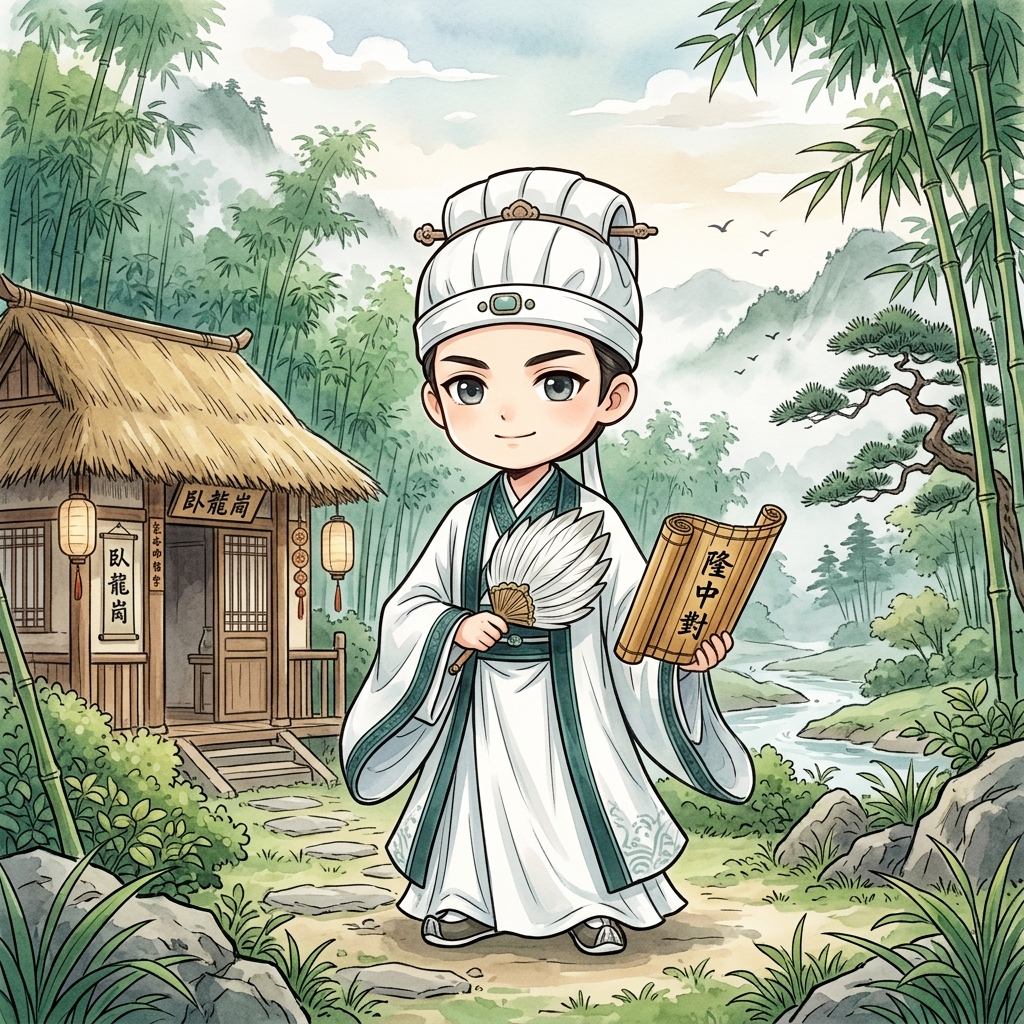
Zhuge Liang
诸葛亮
Carried out Zhuge Liang's strategic directives from Red Cliffs to Jingzhou, rising as China's immortal god of martial virtue.
赤壁大战伏兵华容道,后受诸葛亮嘱托坐镇荆州,威震华夏,终成华夏千古忠义化身。
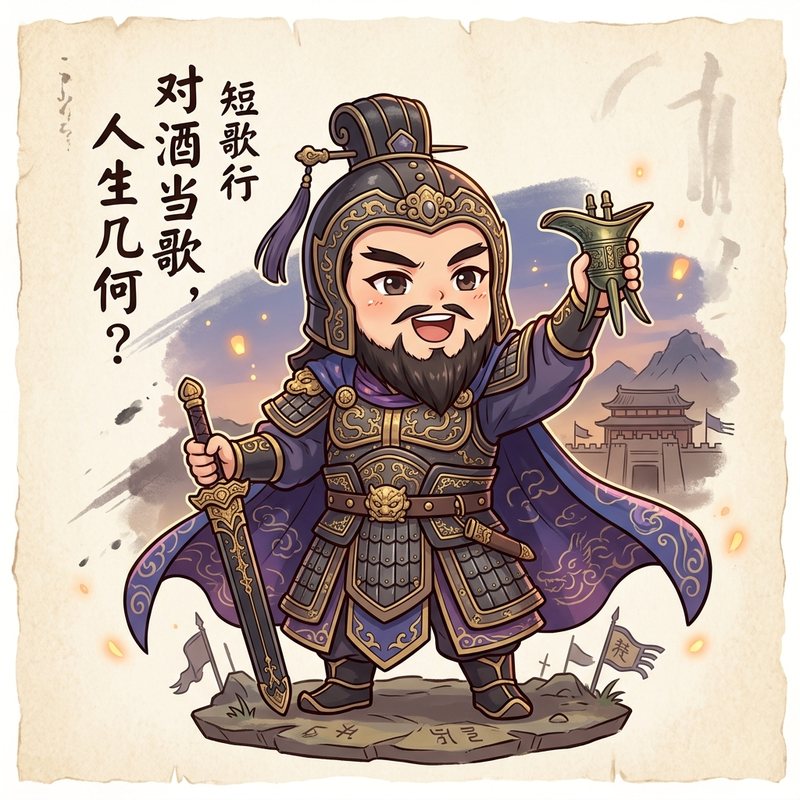
Cao Cao
曹操
Repaid Cao Cao's gifts by slaying enemy generals, and spared retreating Cao at Huarong Pass to fulfill debts of honor.
感曹操厚遇知遇之恩,解白马之围诛颜良文丑;华容道感念旧恩放曹操一行,义薄云天。
Key Historical Inquiries & Context
关于 关羽 (Guan Yu) 的核心史实考证、公案辨析与中英直答
Was Guan Yu a real historical person?
Yes. He was a real general of the Three Kingdoms documented in Chen Shou's official history Records of the Three Kingdoms (Sanguozhi), serving alongside Liu Bei and Zhang Fei.
Why is Guan Yu worshipped as the God of War?
Unlike destructive war deities, Guan Yu was deified for moral integrity, righteousness (yi), and loyalty to oaths, making him a protector of brotherhood, merchants, and soldiers alike.
What is Guan Yu's Chinese name?
His name in Chinese characters is 关羽 (simplified) or 關羽 (traditional), pronounced Guān Yǔ. His courtesy name is Yunchang (云长), and his deified title is Guan Di (关帝) or Guan Gong (关公).